Last Updated on November 13, 2025 by Dee
After 18 years teaching high school art, I’ve seen students waste money on fancy supplies they didn’t need and skimp on basics that would’ve transformed their work. Here’s what actually matters when you’re building your drawing toolkit.
Start with the Foundation: Must-Have Drawing Tools for Drawing Basics
Your drawing toolkit doesn’t need to be expensive or overwhelming. These essentials will cover 90% of your creative work.
This page contains affiliate links. If you purchase through these links, I may receive a small commission at no extra cost to you.
Graphite Pencils
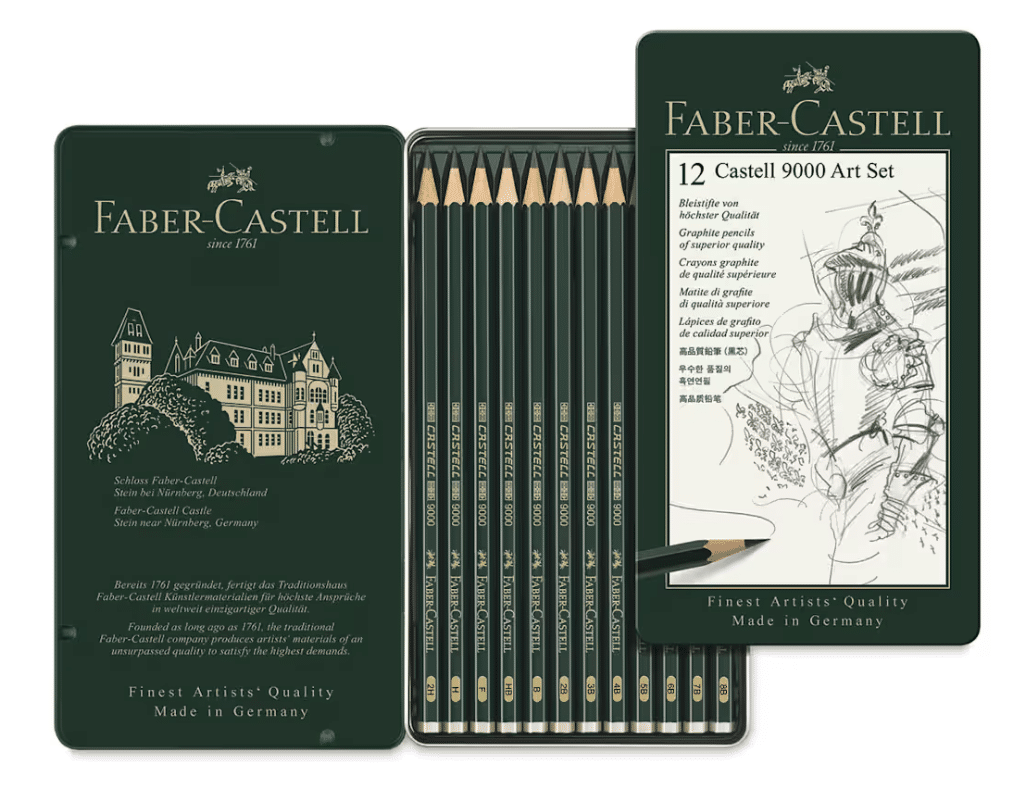
A good set of graphite pencils is non-negotiable. You’ll want a range from hard (2H) to soft (6B) for everything from light sketching to deep shadows. I always tell my students: if you’re only buying one thing today, make it quality graphite pencils.
👉 Faber-Castell 9000 Graphite Pencil Set – Professional quality without the professional price tag. These have been my classroom staple for years.
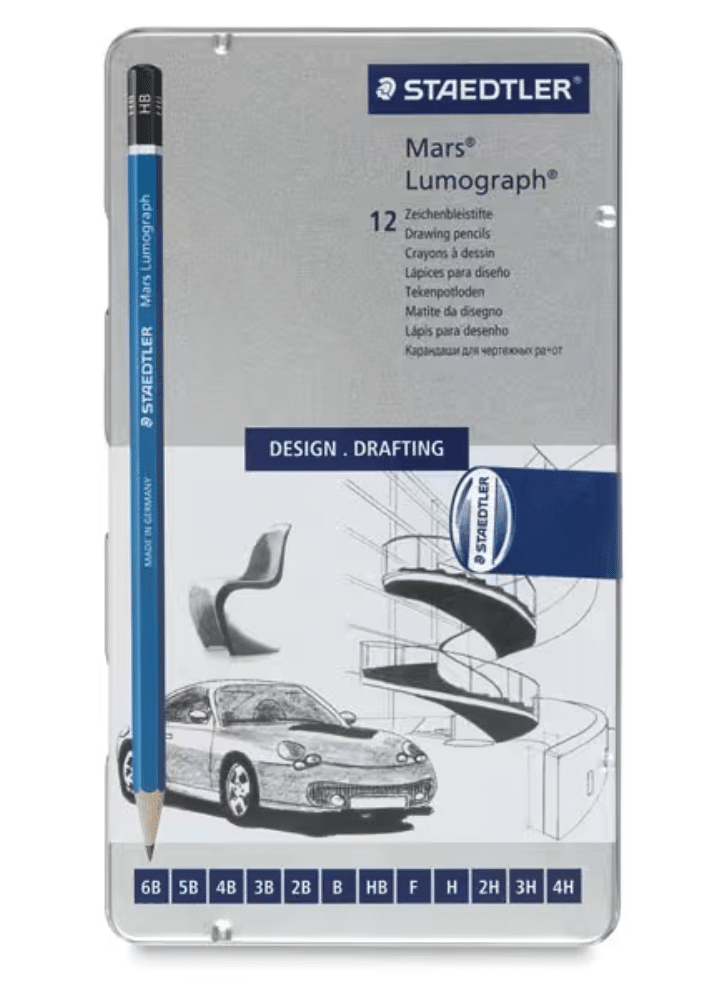
👉 Staedtler Mars Lumograph Graphite Pencils Set of 12 – Another solid choice that won’t let you down.
Colored Pencils
When you’re ready to add color, invest in decent colored pencils. Cheap ones from the drugstore will frustrate you more than inspire you. Trust me on this.
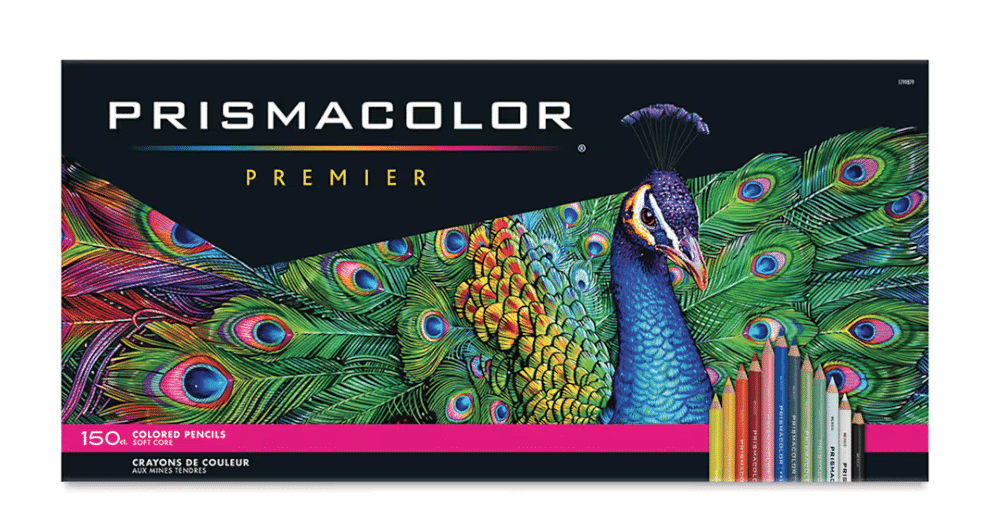
👉 Prismacolor Premier Colored Pencils, 150 Count – Buttery smooth, blendable, and worth every penny. These are the gold standard.
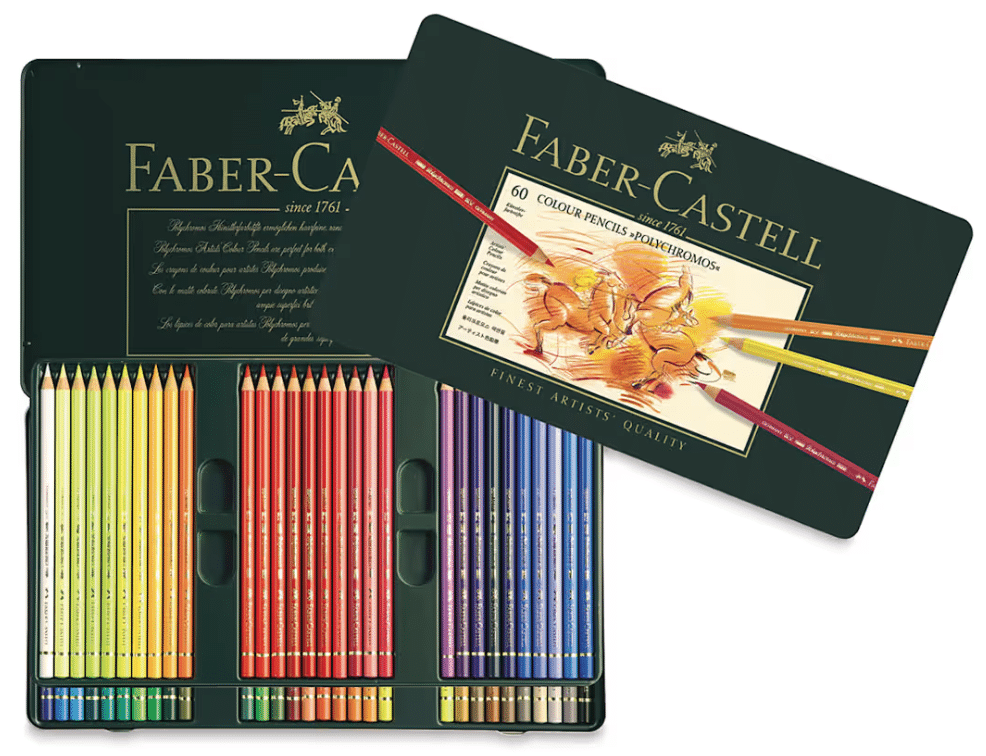
👉 Faber-Castell Polychromos Colored Pencils Tin of 60 – Oil-based instead of wax, so no waxy bloom. Perfect for layering.
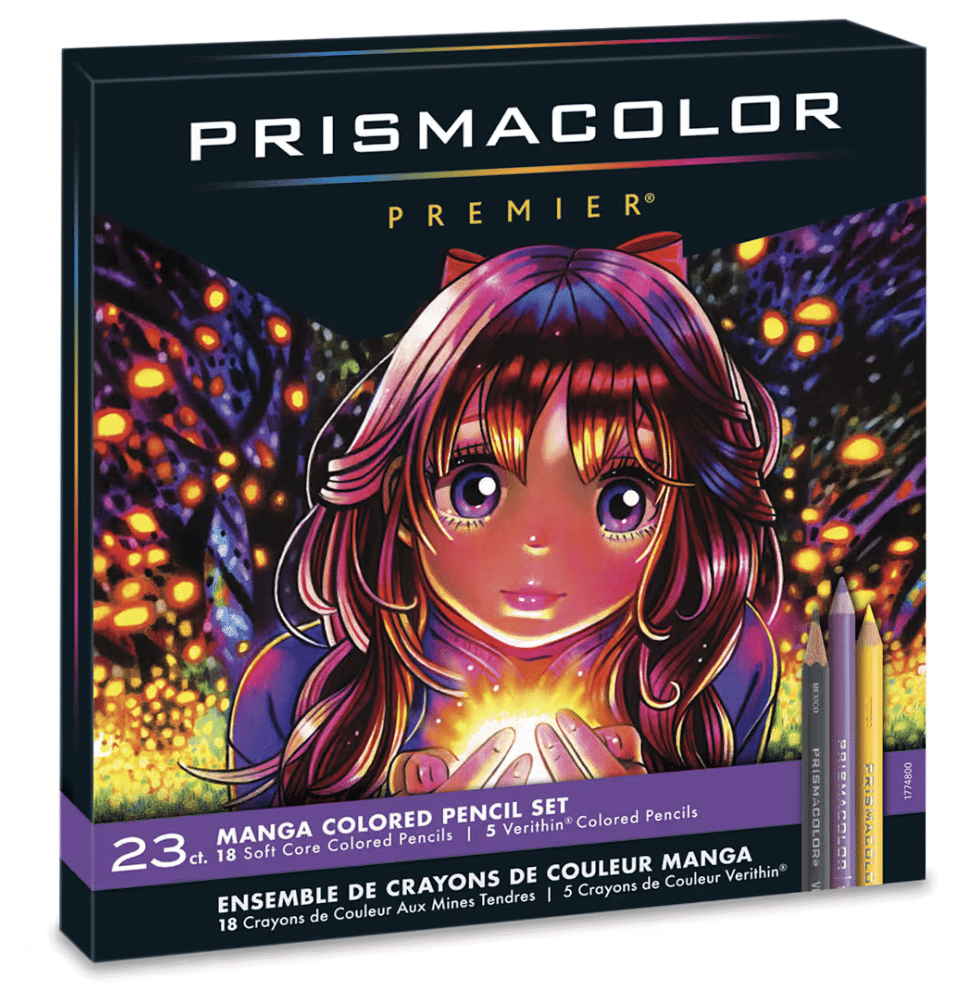
👉 Prismacolor Premier Set at Dick Blick – Same great pencils, often with better availability.
The Right Paper Makes All the Difference
Your sketchbook is where ideas live. Get one that can handle your style—smooth for detailed work, textured for expressive marks.
👉 Strathmore 400 Series Sketch Pad – This medium-weight paper handles pencil, pen, and light markers beautifully.

👉 Canson XL Mix Media Pad – Versatile enough for experimenting with different media.

Erasers That Actually Work
You need both: a kneaded eraser for lifting highlights and adjusting values, and a good vinyl eraser for clean removal.
👉 Faber-Castell Kneaded Eraser – Moldable, reusable, and essential for any serious sketcher.

👉 Staedtler Mars Plastic Eraser – Clean erasing without tearing your paper.

Blending Tools
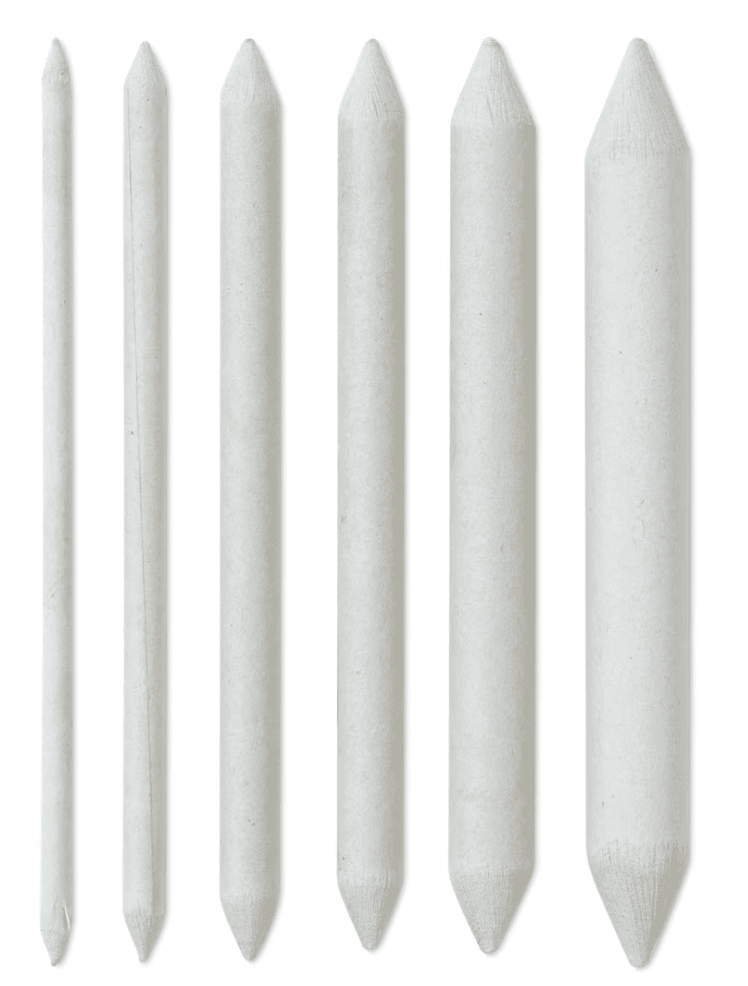
Smooth transitions separate amateur work from professional results. Blending stumps and tortillons are inexpensive game-changers.
👉 Blending Stumps and Tortillions Set – Multiple sizes for detailed and broad blending.
Best Drawing Pens for Ink Work
Whether you’re into illustration, manga, or just love clean lines, these pens deliver professional results.
Fineliner Pens
For precise, archival-quality work, fineliners are your best friend.
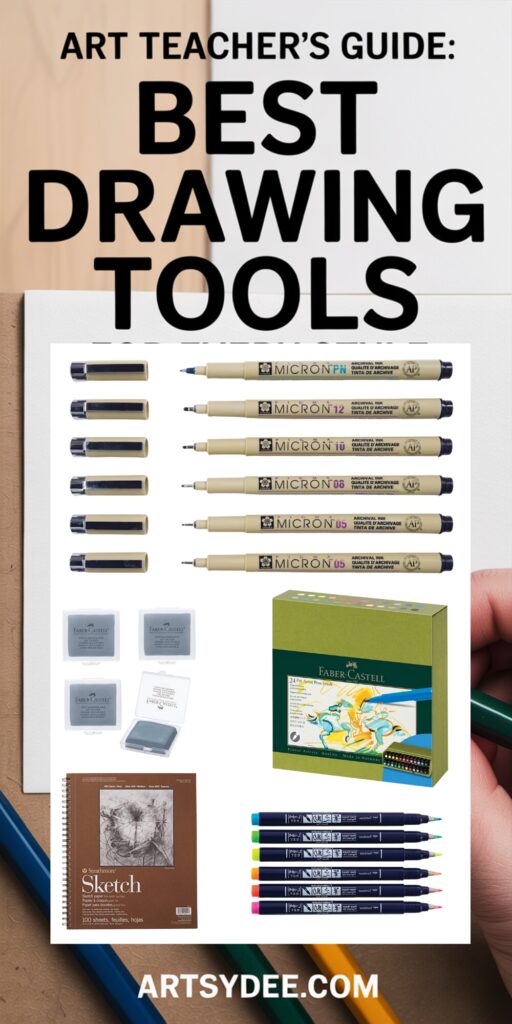
👉 Sakura Pigma Micron Pens, 8-Pack Assorted Sizes + GellyRoll Pens – Waterproof, fade-resistant, and available in sizes from 005 (ultrafine) to 08 (bold). These are what professional illustrators reach for.

👉 Sakura Pigma Micron Pens at Dick Blick – Same quality pens with more size options.
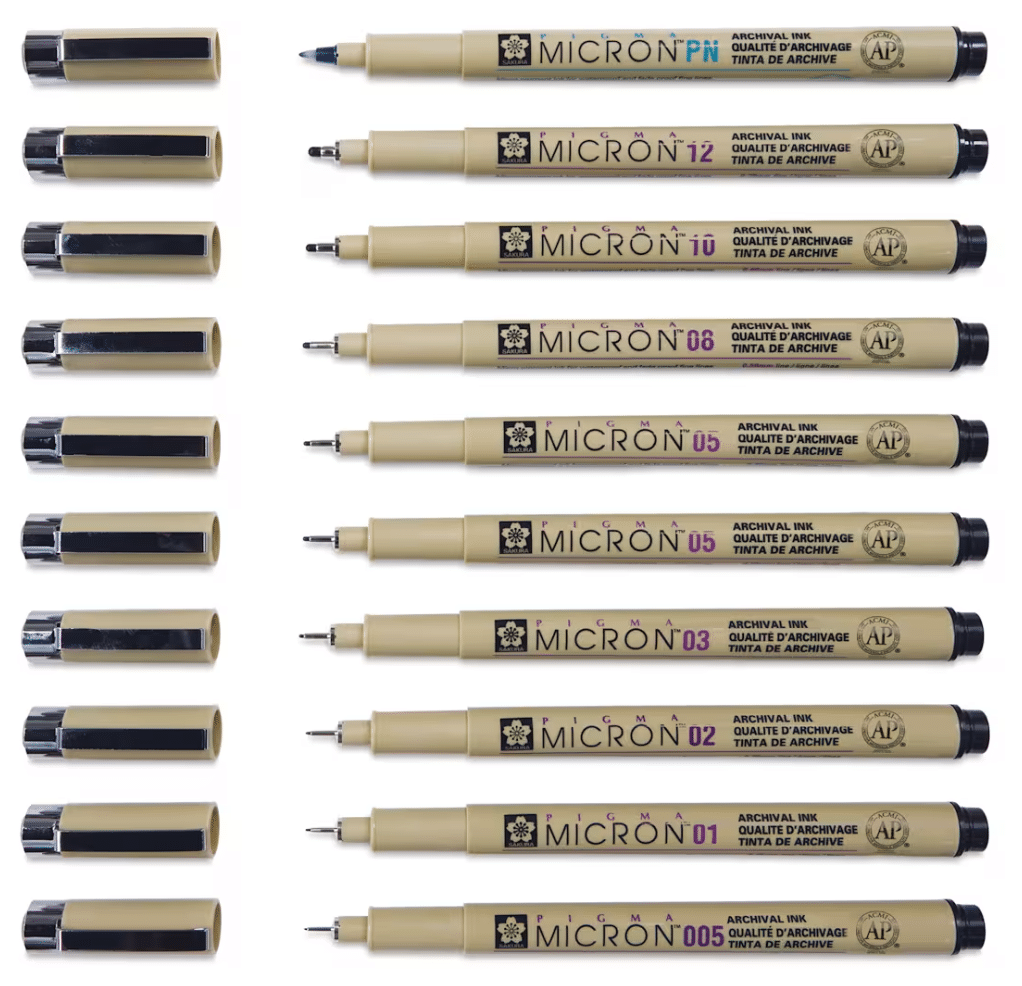
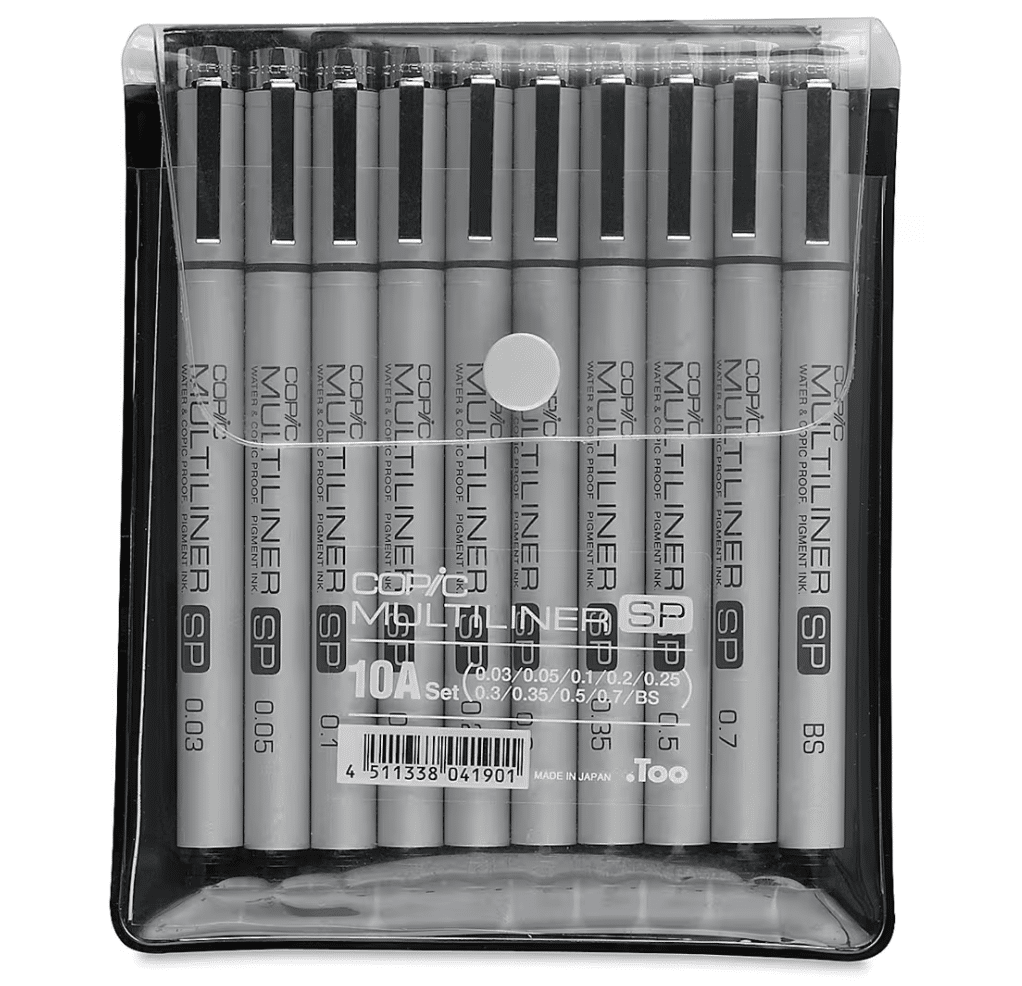
👉 Copic Multiliner SP Pens – Refillable with replaceable nibs if you’re doing a lot of ink work.
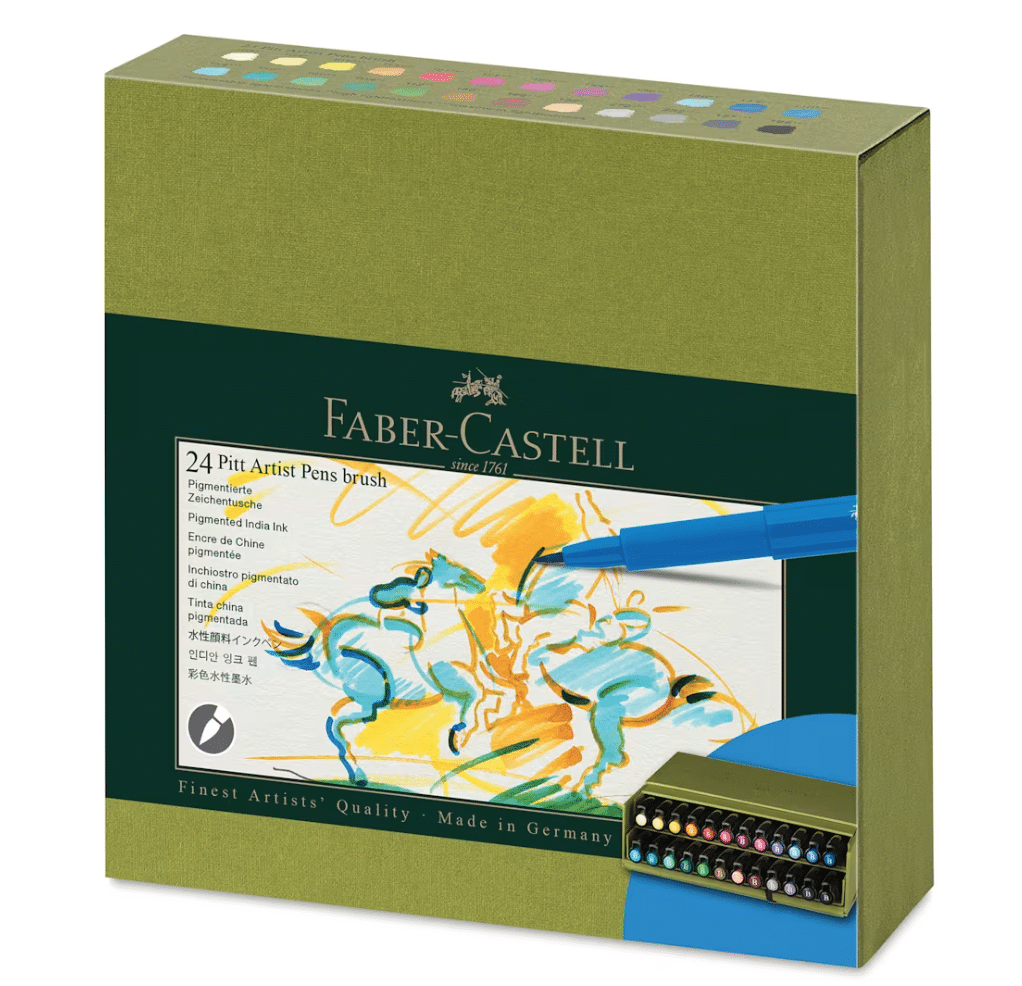
👉 Faber-Castell Pitt Artist Pens – India ink quality in a convenient pen format.
Brush Pens
For expressive, varied line work, brush pens give you control and flow.
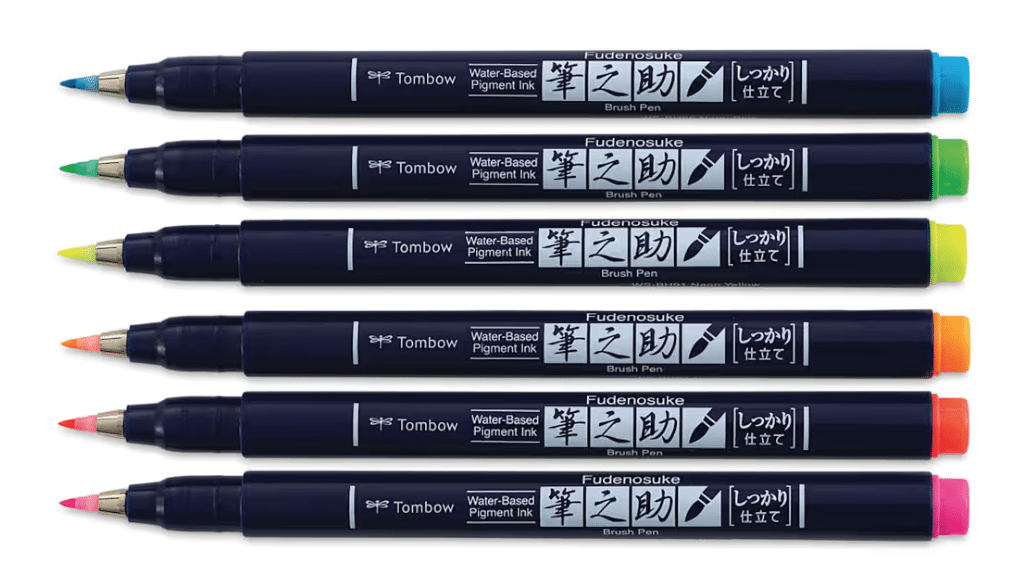
👉 Tombow Fudenosuke Brush Pens – Perfect for calligraphy, hand lettering, and dynamic sketching.
Color Pencils: Investment-Worthy Options
If you’re serious about colored pencil work, these sets are worth the investment. I’ve watched students’ confidence soar when they upgrade from student-grade to professional pencils.
Professional Grade
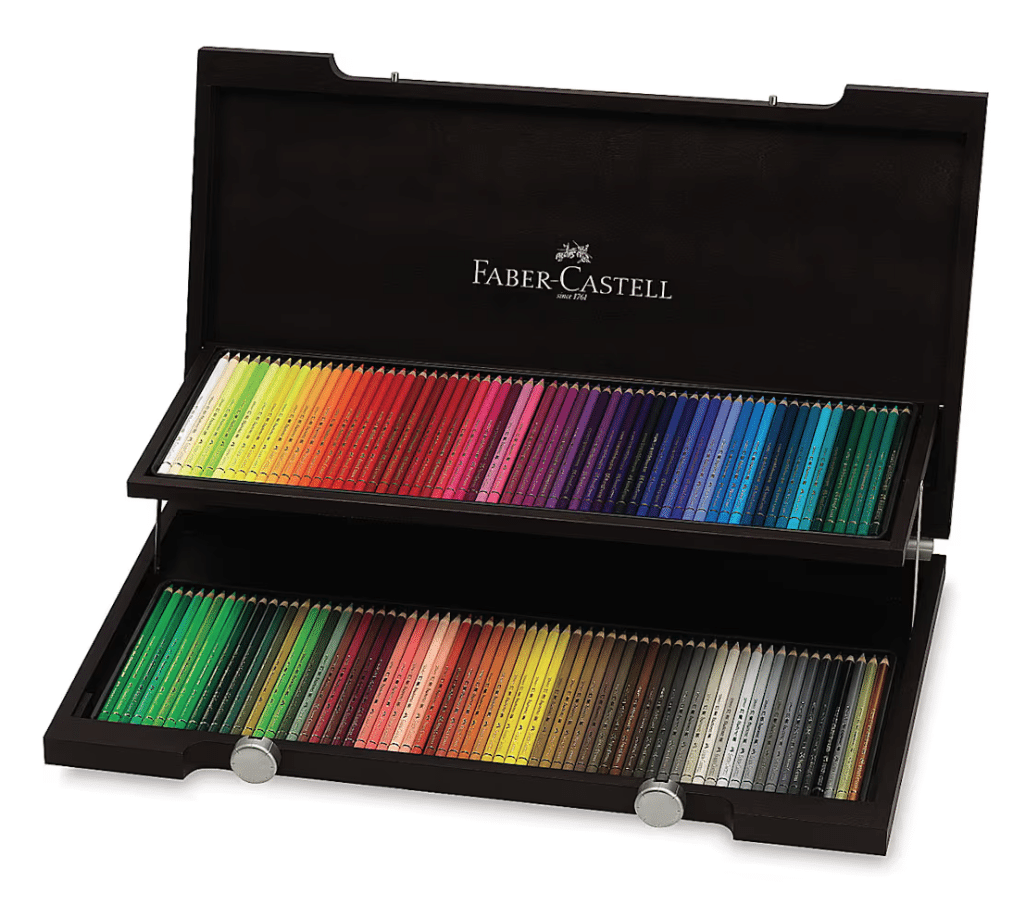
👉 Faber-Castell Polychromos 120 Tin – 120 lightfast colors in oil-based leads. No wax bloom, exceptional blending.
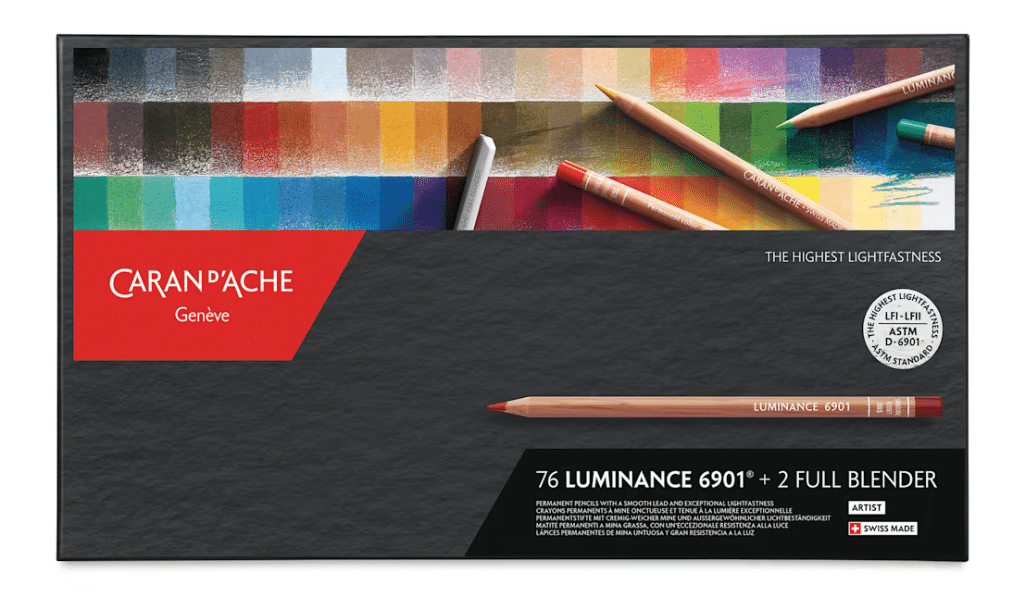
👉 Caran d’Ache Luminance – The Ferrari of colored pencils. Lightfast, creamy, gorgeous.
Excellent Mid-Range Options
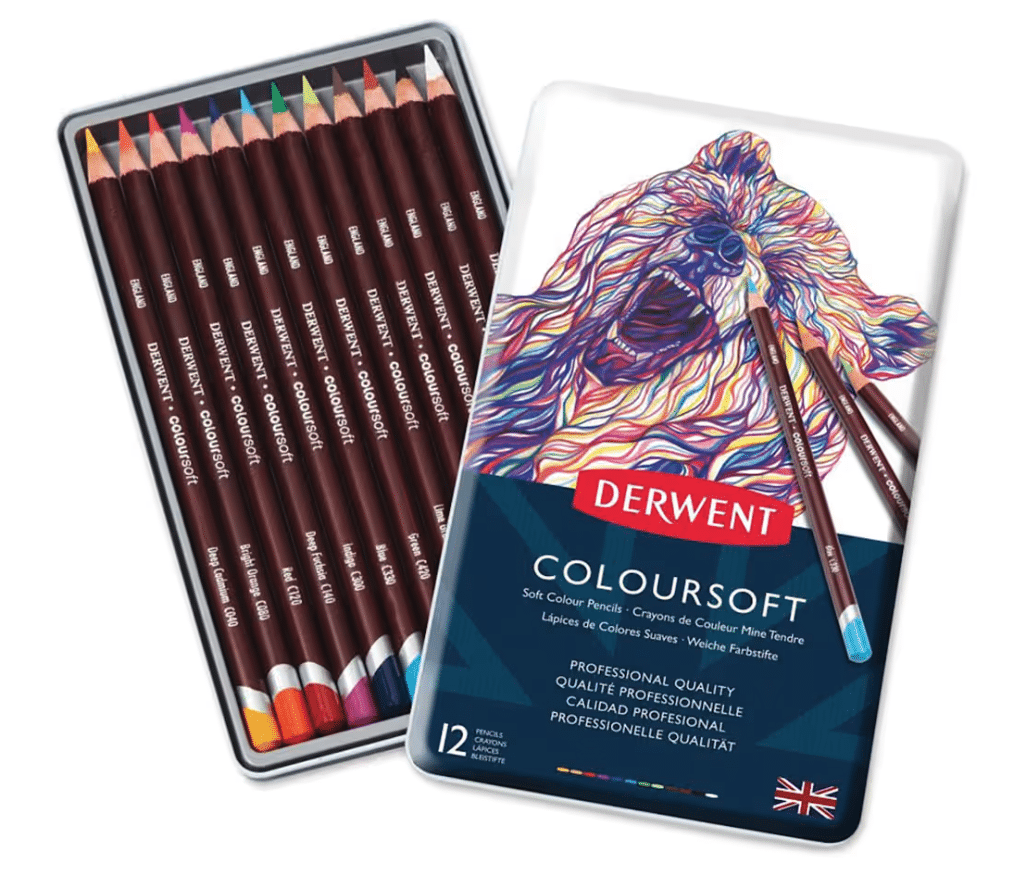
👉 Derwent Coloursoft Pencils – Soft, velvety texture perfect for blending and layering.
Smart Accessories That Level Up Your Work
Drawing Gloves
Stop smudging your work. Drawing gloves keep your hand from dragging through graphite or charcoal while you draw.
👉 Huion Artist Glove – Works for both traditional and digital drawing.

Pencil Sharpeners
Don’t ruin good pencils with a bad sharpener.
👉 Prismacolor Premier Sharpener – Two different blades for fine and wide points.

👉 Faber-Castell Double-Hole Sharpener – Simple, reliable, affordable.

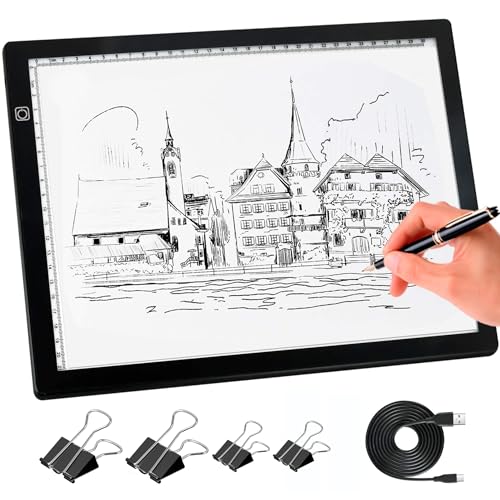
Light Box for Tracing
Perfect for transferring sketches and working with outline drawings.
👉 LED Light Box A4 – Ultra-thin, adjustable brightness, and USB-powered.
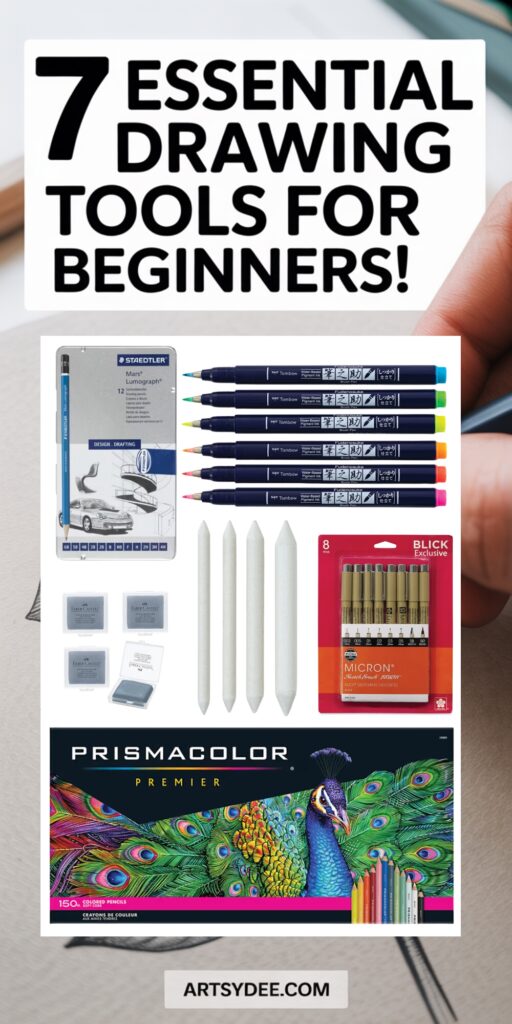
THE 7 Essential Drawing Tools for Beginners:
Start with These 7 Tools
1. Basic Graphite Pencil Set (HB, 2B, 4B, 6B) Just 4 pencils cover everything from light sketching to deep shadows. You don’t need the full 2H-9B range yet.
2. A Good Sketchbook One quality sketchbook beats five cheap ones. Medium-weight paper that can handle erasing and layering.
3. Kneaded Eraser This moldable magic eraser lifts highlights and fixes mistakes without damaging paper.
4. Vinyl/Plastic Eraser For clean removal when you really need to erase something completely.
5. Blending Stump or Tortillon The difference between flat shading and professional-looking gradients. Game-changer for beginners.
6. Basic Black Fineliner Pen (0.5mm or 0.3mm) One good pen for clean lines, outlines, and ink sketches.
7. Pencil Sharpener A simple manual sharpener. Nothing fancy needed.
5 Drawing Tools You DON’T Actually Need
1. Fancy Wooden Art Boxes Those gorgeous wooden cases with brass hinges? Save your money. A simple pencil case or even a ziplock bag works perfectly when you’re starting out. Spend that £50 on better pencils instead.
2. Electric Pencil Sharpeners Manual sharpeners cost £3 and work brilliantly. Electric ones cost £20-40 and often chew through pencils too aggressively. I’ve seen more broken pencil tips from electric sharpeners than anything else in 18 years of teaching.
3. Complete 120+ Colored Pencil Sets Right Away Nobody needs 150 colors when they’re learning. Start with a 24 or 48-color set. Learn to blend and layer. You can always add more later. Most of those 150 colors will sit unused for years.
4. Every Single Pen Nib Size in One Set You don’t need all 12 sizes of Micron pens. Start with 3-4 key sizes (like 005, 01, 05, and 08). That covers 90% of your needs. Buy the rest individually only if you discover you actually use them.
5. Professional Drawing Board (when starting) Before spending £30-60 on a drawing board, try a hardcover book, clipboard, or piece of plywood. If you find yourself reaching for it constantly after a few months, then invest in a nice one.
The Real Secret: Better to have 7 excellent tools you use daily than 50 mediocre ones gathering dust. Quality over quantity wins every time.
Tips from 18 Years of Teaching Art
Don’t Buy Everything at Once
Start with basics and add tools as you discover what you actually use. I’ve seen too many beginners overwhelm themselves with supplies they never touch.
Quality Over Quantity
One set of excellent colored pencils beats three sets of mediocre ones. Save up for the good stuff—it makes the actual drawing process so much more enjoyable.
Test Before You Commit
Many art stores sell open stock. Buy a few individual pencils or pens to test before investing in full sets.
Keep It Simple When Starting
If you’re just getting back into drawing or trying something new, grab a sketchbook, a few graphite pencils (HB, 2B, 4B), an eraser, and start experimenting. Check out these fun drawing prompts to fill your sketchbook if you’re feeling stuck on what to draw.
Match Tools to Your Style
Detailed botanical illustrations? You’ll want fine-tipped pens and hard pencils. Expressive, loose sketches? Softer leads and brush pens are your friends. If you’re into easy flower doodles, you don’t need the most expensive supplies—just reliable ones that flow smoothly.
Quick Reference: Best Drawing Tools by Style
| Your Drawing Style | Recommended Tools |
|---|---|
| Realistic Portraits | Graphite pencils (2H-6B), blending stumps, kneaded eraser, smooth paper |
| Manga & Comics | Fineliner pens (Pigma Micron), brush pens, markers, Bristol board |
| Botanical Illustration | Colored pencils (Polychromos or Prismacolor), fine-tipped pens, hot-press watercolor paper |
| Loose Sketching | Soft graphite (4B-6B), textured paper, kneaded eraser |
| Mixed Media | Variety of pencils, pens, markers, mixed media paper |
Building Your Toolkit Over Time
Your drawing supplies should grow with your skills and interests. When I started teaching, I kept my personal toolkit minimal—graphite pencils, one good eraser, and a sketchbook. Over the years, I’ve added tools as I’ve explored new techniques.
Start where you are. Use what you have. Add thoughtfully.
The best drawing tool is the one you’ll actually use. Don’t let perfect supplies stop you from making imperfect art. Some of my favorite student work came from beat-up pencils and cheap sketchbooks—because they felt free to experiment without worrying about wasting expensive materials.
Your Next Steps
Ready to start creating? Grab your basics and dive in. Need inspiration? Try these fun drawing prompts to fill your sketchbook or explore easy flower doodle ideas. Looking for something to trace or paint? I’ve got free outline drawings for painting and coloring waiting for you.
Happy creating!