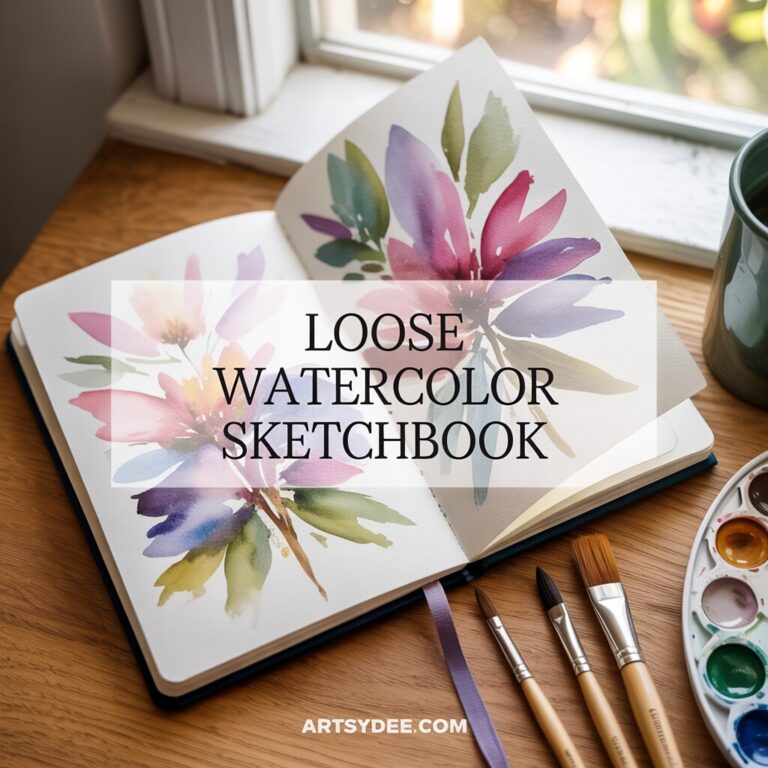
Last Updated on July 26, 2026 by Dee
There’s something wonderfully freeing about loose watercolor painting. No fussy details. No perfectionism. Just pigment, water, and the permission to let things flow where they want to go.
If you’ve been staring at your sketchbook feeling paralysed by the fear of “ruining” a page, this post is for you. Loose, expressive watercolor isn’t about lacking skill — it’s a deliberate style choice that celebrates happy accidents, soft edges, and the beautiful unpredictability of paint meeting water.
Let me show you how to fill your watercolor sketchbook with relaxed, imperfect paintings you’ll actually love.
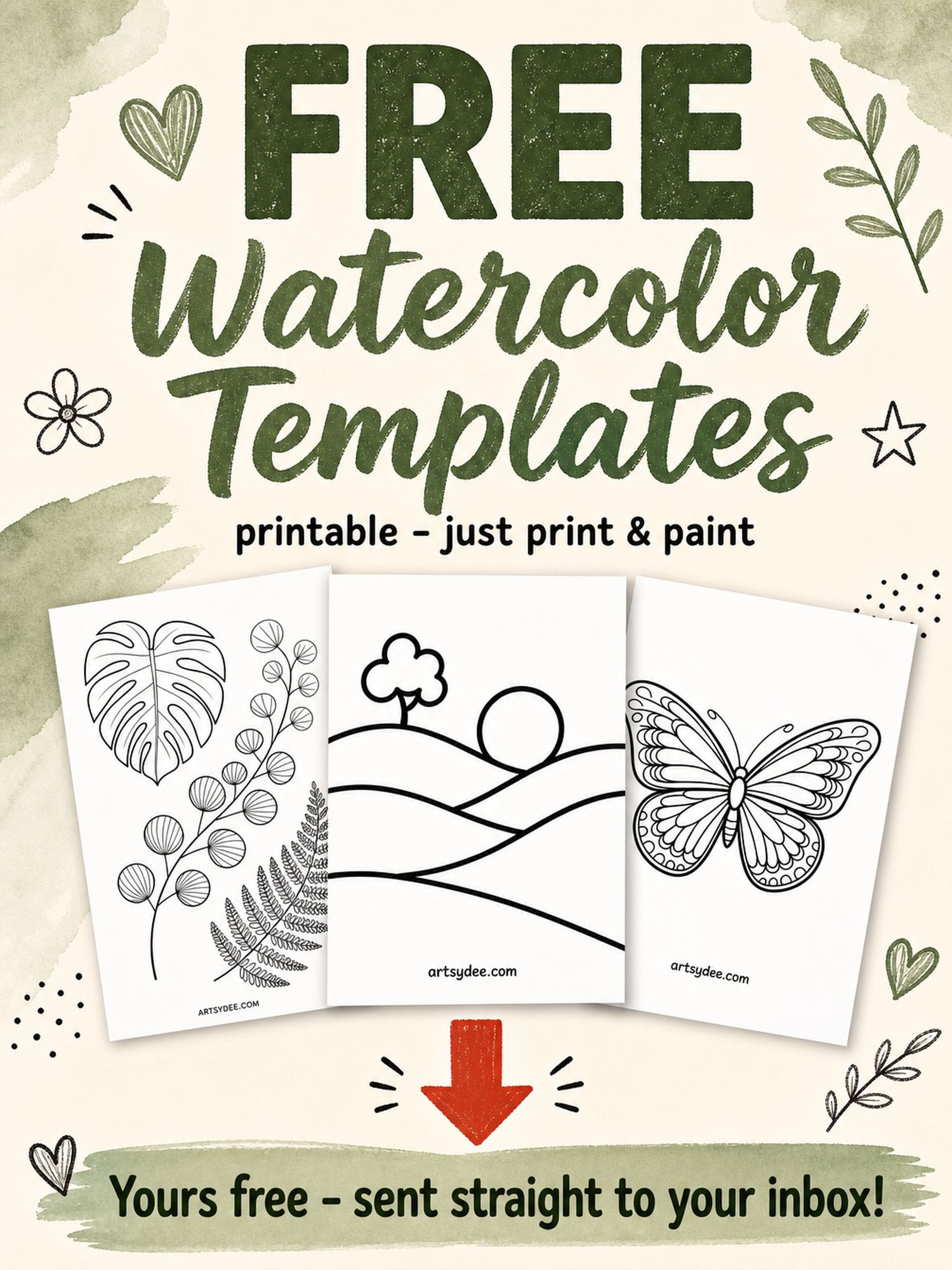
Table of Contents
🎨 Want more free printables? Browse my Free Printables Library — over 400 free templates, coloring pages, drawing guides, and creative resources all in one place!
What Makes Watercolor “Loose”?
Loose watercolor sketchbook painting embraces the medium’s natural behaviour rather than fighting against it. Instead of controlling every brushstroke, you work with the water and let the pigments do their thing.
The hallmarks of loose watercolor include soft, undefined edges where colours blend into each other, visible brushstrokes that add energy and movement, wet-on-wet techniques that create beautiful blooms and bleeds, minimal detail work (suggestion rather than precision), and plenty of white space letting the paper breathe.
Think of it as the difference between a photograph and an impressionist painting. Both capture the same subject, but one invites the viewer to fill in the gaps with their imagination.
For more watercolor inspiration, check out my collection of 50+ sketch book watercolor ideas to spark your creativity.
Loving the loose, imperfect approach? My Patreon members get new watercolour templates and lessons every month to keep those sketchbook pages filling up.
Join the Patreon community →Why Loose Watercolor Is Perfect for Sketchbooks
Your sketchbook should be a place for experimentation, not perfection. Loose watercolor suits sketchbook practice beautifully for several reasons.
It’s faster. When you’re not fussing over tiny details, you can complete a painting in 10-15 minutes. Perfect for filling pages without burning out.
It’s forgiving. That accidental water bloom? It’s not a mistake — it’s a feature. Loose painting reframes “errors” as happy accidents that add character.
It builds confidence. The more you paint without pressure, the more comfortable you become with your materials. Skills develop naturally when you’re relaxed.
It’s genuinely beautiful. There’s a reason loose watercolor is so popular — the dreamy, atmospheric quality speaks to people. Your “messy” sketchbook pages might be more appealing than you realise.
If you’re new to watercolor and want some guidance, my watercolor painting ideas for beginners post has plenty of simple subjects to try.
Essential Supplies for Loose Watercolor Painting
You don’t need fancy materials to paint loosely, but a few key supplies make a real difference.

|

|

|

|
Watercolor paints — I recommend the Winsor & Newton Cotman Watercolor Set for beginners. It’s affordable, the colours are lovely, and the built-in palette is perfect for sketchbook work.
A good watercolor sketchbook — Look for paper that’s at least 140lb (300gsm) so it can handle water without buckling. I love using a spiral-bound watercolor sketchbook because the pages lay flat while I paint.
Round brushes in various sizes — For loose work, round brushes are your best friend. They hold plenty of water and can create both thick strokes and fine lines depending on pressure. The Princeton Heritage Series brushes are beautiful quality and hold water gorgeously.
A mixing palette — You’ll be mixing lots of watery washes, so a folding watercolor palette with deep wells is helpful.
Water spray bottle — A fine mist spray bottle keeps your paints wet and helps create those gorgeous wet-on-wet effects that loose watercolor is known for.
This post contains affiliate links. If you make a purchase through these links, I may earn a small commission at no extra cost to you. I only recommend products I genuinely love and use myself!
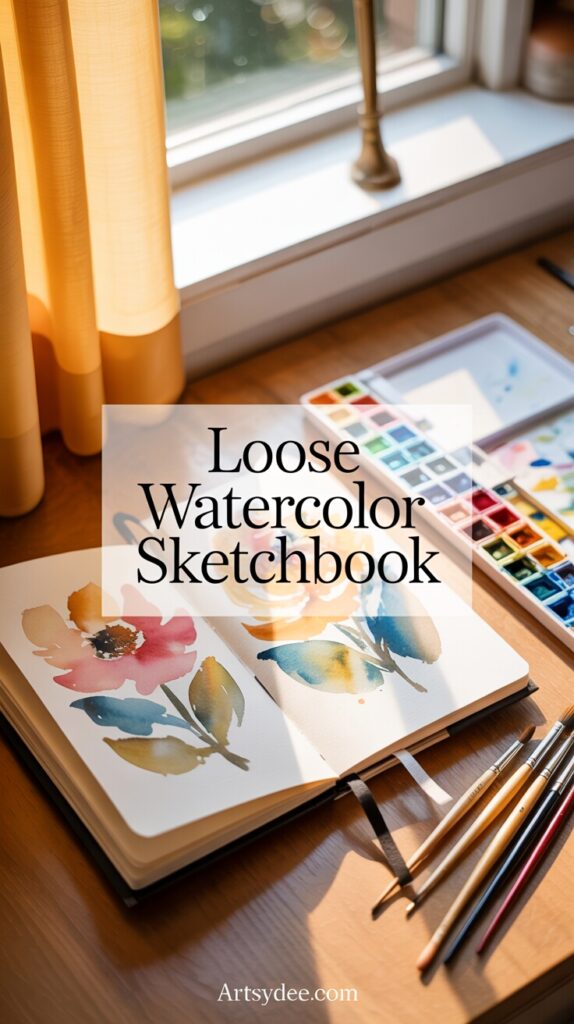
Pin this for later 👇🏻
Download Your FREE Watercolor Templates in the box below!
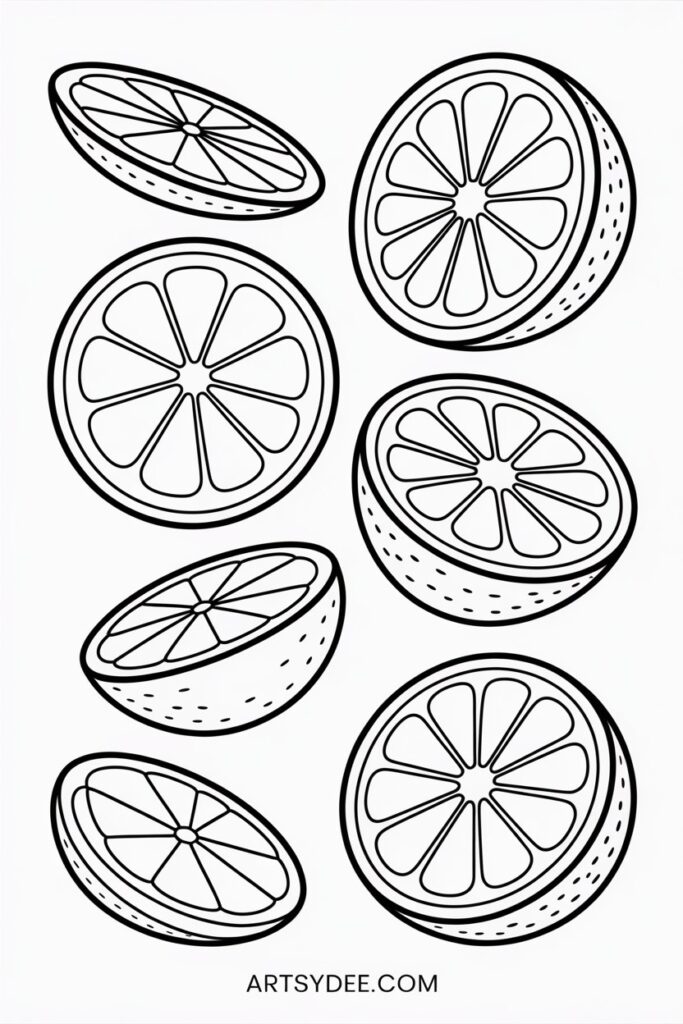
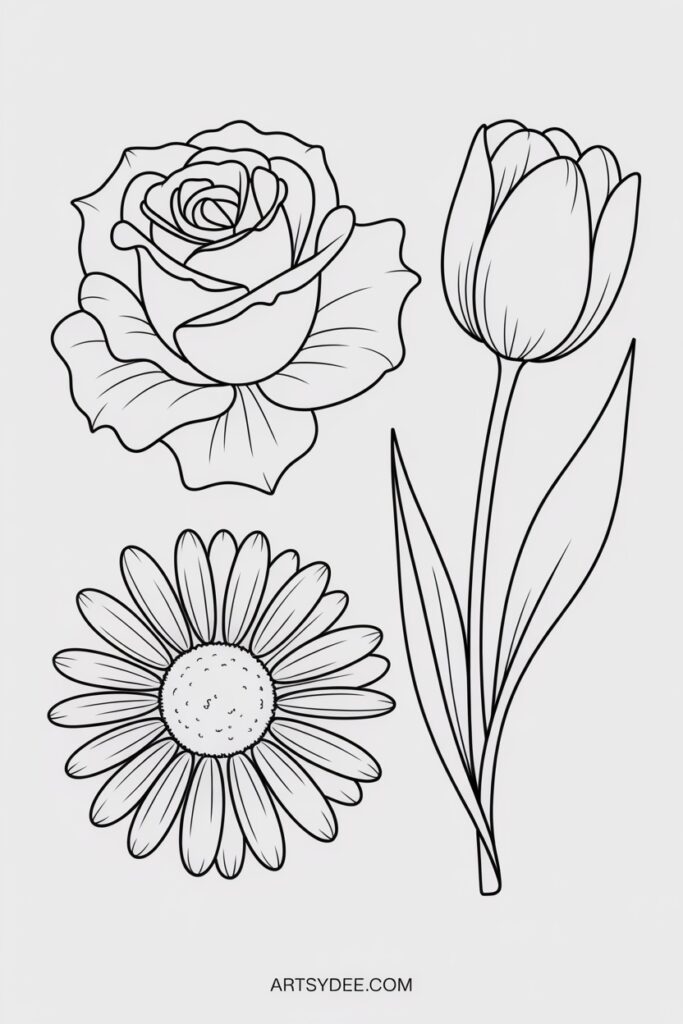
Want to practice loose watercolor but not sure where to start? I’ve created 8 FREE printable watercolor templates with simple outlines you can paint over — loosely!
Use the templates as a starting point, then paint beyond the lines. Let colours bleed, leave edges soft, and embrace imperfection. It’s the perfect way to practice loose techniques without the pressure of drawing first.
👉 Pop your email into the box near the top of this post and I’ll send these straight to your inbox — free!
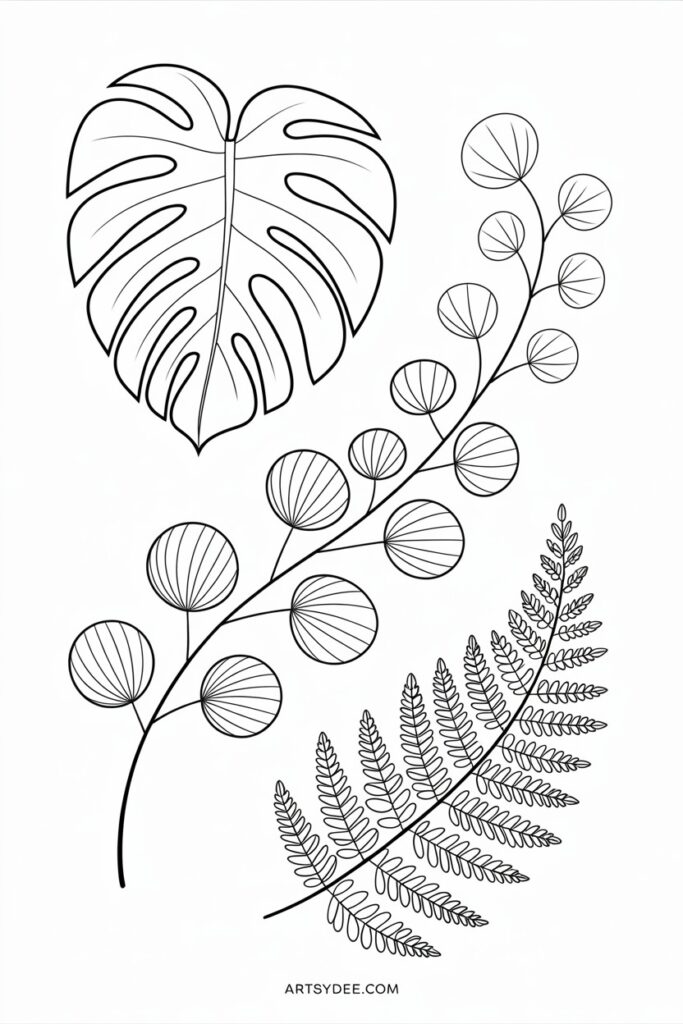
Your 8 free templates include: flowers (rose, daisy, tulip), fruits (apple, lemon, pear), botanical leaves (monstera, eucalyptus, fern), a cosy coffee mug, dreamy clouds, a detailed butterfly, a simple landscape, and a cute cupcake.


Techniques for Painting Loosely
Wet-on-Wet Magic
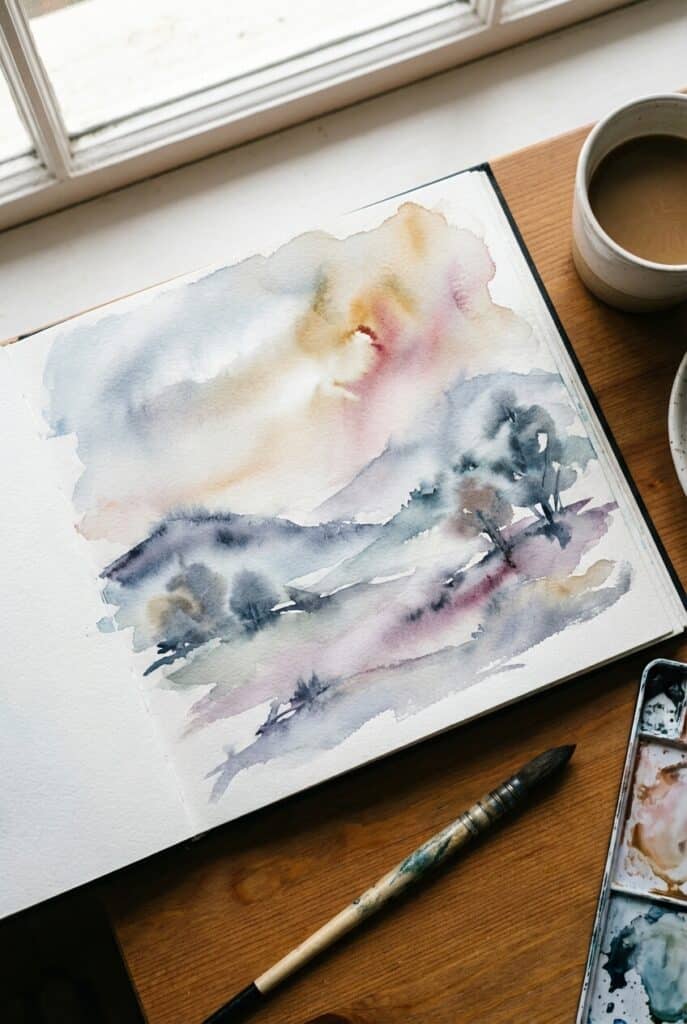
This is the foundation of loose watercolor. Wet your paper first (either the whole page or just the area you’re painting), then drop in colour and watch it bloom and spread.
The paint will move in unpredictable ways — and that’s exactly what you want. Tilt your sketchbook to encourage flow. Add more pigment to some areas, less to others. Let the water do the blending for you.
Wet-on-wet is perfect for painting soft florals, dreamy skies, atmospheric backgrounds, and anything that benefits from undefined edges.
For dreamy sky techniques, have a look at my watercolor sunset tutorial with step-by-step guidance.
Embrace the Water Bloom
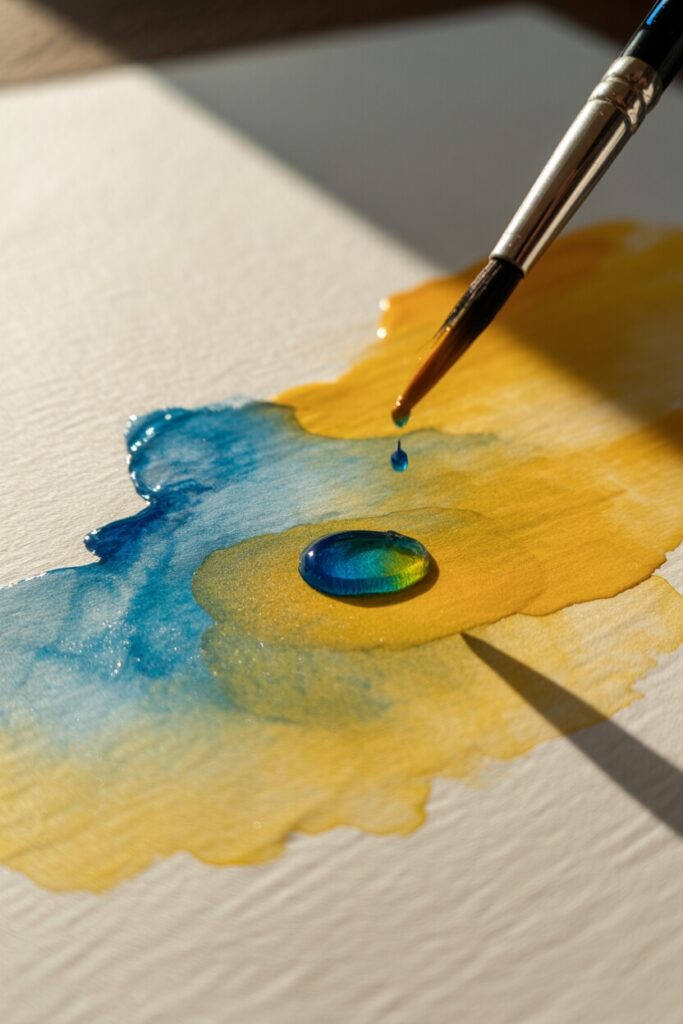
Those cauliflower-shaped marks that happen when you add water to drying paint? In tight, realistic watercolor, they’re considered mistakes. In loose watercolor, they’re beautiful texture.
Instead of trying to prevent blooms, learn to use them intentionally. They add organic texture to leaves, create interesting effects in backgrounds, and give your paintings that characteristic loose watercolor look.
Work Quickly and Confidently
Hesitation shows in brushstrokes. When you paint slowly and carefully, you tend to create stiff, overworked marks. When you paint quickly and confidently, even “wrong” strokes have energy and life.
This doesn’t mean rushing — it means committing to each stroke without second-guessing. Put the brush down, make the mark, move on. You can always paint another page.
Use More Water Than You Think
Beginners often use too little water, which leads to dry, scratchy marks and stiff-looking paintings. For loose watercolor, your brush should be loaded with watery paint — almost like coloured water.
The paint should flow easily off your brush and spread on the paper. If it feels like you’re pushing paint around, you need more water.
Limit Your Colour Palette
Loose doesn’t mean chaotic. Working with just 2-3 colours keeps your paintings harmonious even when the brushwork is free and expressive.
Try a warm palette (yellow ochre, burnt sienna, cadmium red) for autumn subjects, or a cool palette (ultramarine, cerulean, sap green) for botanicals. Limiting colours also means faster colour mixing, which helps you work more intuitively.
Loose Watercolor Sketchbook Ideas
Need inspiration for what to paint? These subjects suit loose, expressive watercolor beautifully.
Florals and Botanicals
Flowers are forgiving subjects because real blooms are imperfect too. Paint loose roses with soft, overlapping petals. Create gestural leaf studies with just a few confident strokes. Try wildflower meadows using wet-on-wet for a dreamy, impressionistic effect.
My watercolor flowers tutorial has loads of floral inspiration plus free templates.
Simple Fruit Studies
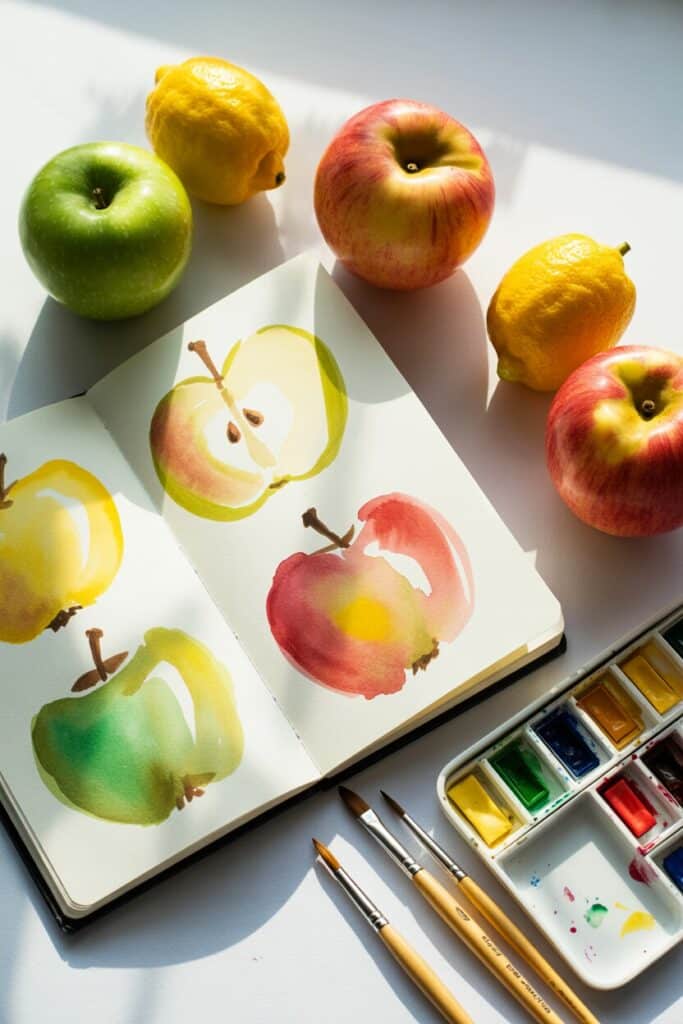
Fruit is wonderful for practicing colour gradients and creating the illusion of roundness with loose washes. Paint a lemon with a single yellow wash, adding a touch of green on one side while still wet. Try apples, pears, oranges — anything with a simple shape that lets you focus on colour flow rather than detail.
Atmospheric Landscapes
Loose watercolor is made for landscapes. Soft, misty hills. Hazy trees. Skies full of movement. Use wet-on-wet for backgrounds and let details fade into suggestion. A few marks can imply a whole forest — you don’t need to paint every leaf.
Everyday Objects
Your coffee cup. A potted plant. The view from your window. Everyday subjects painted loosely become charming and personal. These are perfect for regular sketchbook practice because you’ll never run out of inspiration.
Abstract Colour Studies
Sometimes the most satisfying loose paintings aren’t “of” anything at all. Try dropping colours onto wet paper and tilting to create flow. Experiment with layering washes. Play with complementary colours bleeding into each other. These abstract pages teach you so much about how watercolor behaves.
For more sketchbook subjects, browse my watercolor inspo collection with 60 ideas and tutorials.
Mindset Shifts for Relaxed Painting
The biggest barrier to loose watercolor isn’t technique — it’s mindset. Here’s how to let go of perfectionism and enjoy the process.
Your Sketchbook Is for Practice, Not Perfection
Every professional artist has sketchbooks full of experiments, studies, and pages that didn’t work out. That’s what sketchbooks are for. Give yourself permission to make ugly pages. They’re not failures — they’re part of learning.
“Mistakes” Are Just Decisions
When paint does something unexpected, you have a choice. You can see it as a mistake and get frustrated, or you can see it as a new direction and work with it. The second option is more fun and usually leads to more interesting paintings.
Progress Isn’t Linear
Some days your loose watercolors will flow beautifully. Other days, everything will feel stiff and awkward. That’s completely normal. Keep showing up, keep filling pages, and trust that you’re building skills even when it doesn’t feel like it.
Compare Yourself to Yesterday, Not Instagram
Social media shows you finished, curated work — not the messy process behind it. Instead of comparing your sketchbook to polished online paintings, compare it to your own work from a month ago. That’s where real progress shows
Final Thoughts
Loose watercolor isn’t about lowering your standards — it’s about embracing a different kind of beauty. The soft edges, the happy accidents, the visible brushwork — these aren’t flaws. They’re what make watercolor magical.
Your sketchbook is the perfect place to practice letting go. Fill it with imperfect, expressive, gloriously loose paintings. No one else needs to see these pages. They’re just for you and your brush and the simple joy of watching colour move across paper.
Which loose watercolor technique will you try first? I’d love to see your relaxed sketchbook pages — tag me on social media!
Happy painting! 🎨
You might also enjoy:
- 21 Simple Watercolor Paintings: Easy Ideas for Beginners
- 16+ Easy Watercolor Tutorials For Beginners
- 40 FREE Printable Stencils for Watercolor Painting
- 50+ Beautiful Watercolor Backgrounds Painting Ideas
- How to Start a Daily Sketchbook + 100 Things to Draw
Where to buy the full paid set
Enjoying these free resources? When you’re ready to keep going, my The Spring Cutting Garden Watercolour Templates gives you 20 ready-to-paint watercolour outlines in the same paint-inside-the-lines style — just more of them, and all in one tidy download. It’s £8 over on Payhip. It’s on Etsy too, priced the same. Or browse the whole watercolour template collection and pick your favourites. Everything is made and tested by me — a real art teacher.
Loose Watercolor Sketchbook: FAQ
What does “loose” watercolor actually mean?
Loose watercolour means working with the water rather than fighting it. Instead of controlling every brushstroke, you let pigment bloom and bleed, keep edges soft, and leave plenty of white space for the paper to breathe. Think impressionist painting versus a photograph — you suggest the subject and let the viewer’s eye fill in the rest.
What supplies do I need for loose watercolor painting?
Keep it simple: a set of watercolours (the Winsor & Newton Cotman set is a lovely, affordable beginner pick, usually around £12–18 / ~$15–23), a sketchbook with paper at least 140lb / 300gsm so it won’t buckle, and a few round brushes that hold plenty of water. A mixing palette with deep wells and a fine-mist spray bottle round things out — the spray bottle keeps your paints juicy for those wet-on-wet blooms.
Do I need to know how to draw first?
No — that’s exactly why the free templates in this post exist. They give you a simple printed outline to paint over, so you can practise loose techniques without the pressure of drawing first. Use the lines as a starting point, then paint beyond them and let the colours do their own thing.
What’s the easiest technique to start with?
Wet-on-wet is the foundation of loose watercolour and the friendliest place to begin. Wet your paper first, drop in colour, and watch it bloom and spread on its own. Tilt your sketchbook to encourage the flow, add more pigment in some spots than others, and let the water do the blending for you.
How long does a loose watercolor painting take?
Often just 10–15 minutes, which is part of the magic. Because you’re not fussing over tiny details, you can fill pages quickly without burning out. That speed also makes it easy to loosen up and treat your sketchbook as a place for practice rather than precious finished pieces.
What free templates come with this post?
You get 8 free printable watercolour templates — simple outlines to paint over loosely. They include flowers (rose, daisy, tulip), fruit (apple, lemon, pear), botanical leaves (monstera, eucalyptus, fern), a cosy coffee mug, dreamy clouds, a detailed butterfly, a simple landscape, and a cute cupcake. Just pop your email into the box near the top of the post and they’ll be sent straight over.
What should I paint as a beginner?
Start with the loose-friendly subjects in the post: simple florals and botanicals, single-fruit studies, atmospheric landscapes, everyday objects, or pure abstract colour studies. These all reward soft edges and happy accidents rather than tight detail. If you fall in love with it and want structured practice, Dee’s premium watercolour reference sets with colour recipe cards (£14 / ~$18 on Patreon) are a lovely next step.
The 8 free templates are there to give you a starting line to paint beyond. If you’d like a bigger library to work from, my Patreon members get fresh watercolour printables and lessons monthly — and the premium reference sets come with colour-recipe cards so the colour mixing stops being guesswork, from £14 (~$18).
Browse the reference sets →