Last Updated on January 30, 2026 by Dee
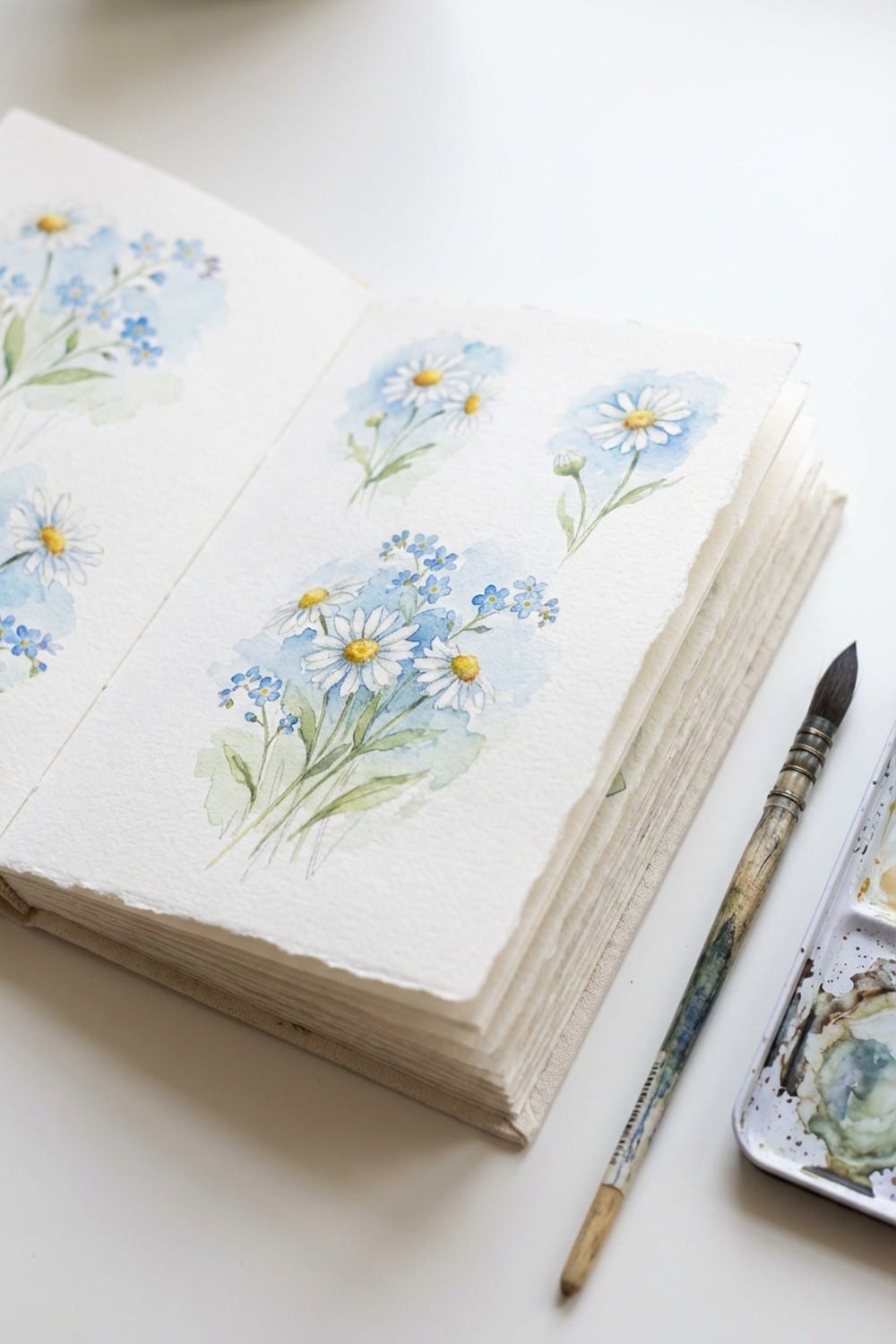
Sometimes the best way to fill a sketchbook is to think small. Tiny watercolor florals are perfect for when you want to practice without the pressure of creating a full-page masterpiece.
I started painting miniature flowers during my morning coffee ritual—just 10 minutes of loose petals and leaves before the day got busy. These small studies built my confidence faster than any ambitious project ever did.
Tiny florals work beautifully in sketchbooks because they’re forgiving. A wobbly petal becomes “loose and organic.” An odd color choice becomes “artistic interpretation.” And if one flower goes wrong, you simply paint another tiny one next to it.
Grab your free Tiny Floral Watercolor Templates at the end of this post! These printable outlines make it easy to practice small-scale florals.
🎬 Love video tutorials? Subscribe to my YouTube channel for weekly watercolor inspiration!
Table of Contents
Why Tiny Watercolor Florals Are Perfect for Beginners
Tiny watercolor florals are ideal for beginners because they reduce the stakes while building essential skills. When you’re working small, each flower takes only a few brushstrokes, which means you get more practice in less time.
Small florals also teach you brush control naturally. You’ll learn to load just the right amount of paint, create delicate marks, and manage water ratios—all without wasting materials on large-scale experiments.
The constraint of working small actually frees your creativity. Instead of worrying about composition across a full page, you focus on capturing the essence of a flower in just a few strokes.
Supplies for Painting Tiny Florals
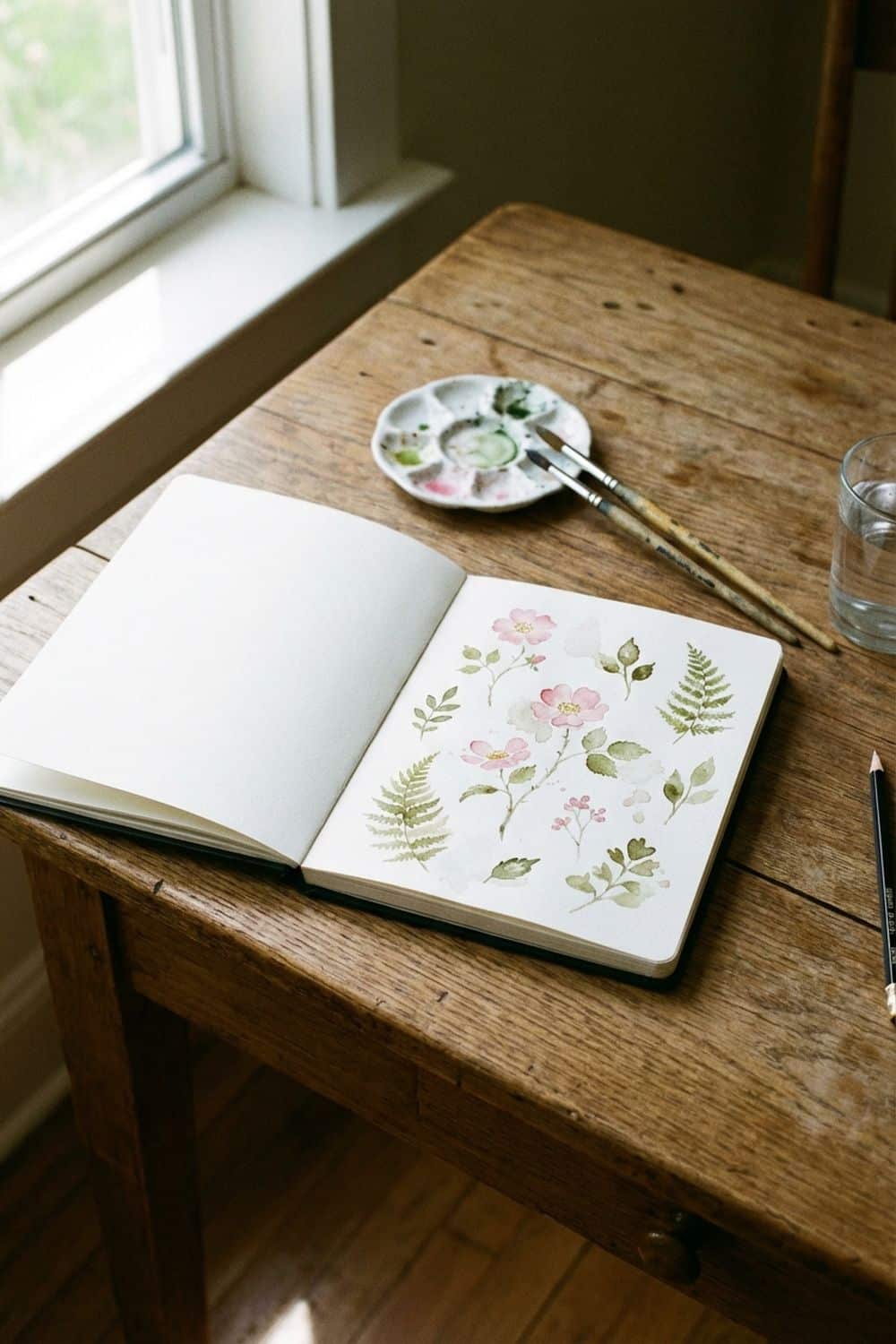
For tiny florals, you don’t need much. A small brush (size 2 or 4 round) gives you the control needed for delicate petals. I love using my Escoda Watercolour Brushes because they hold their point beautifully for fine work.
A basic palette of colors works wonderfully—you really only need a warm pink, a cool pink, a few greens, and maybe a soft yellow. My Winsor & Newton Cotman Watercolors have been perfect for this.
Any sketchbook with decent paper will work. Look for at least 200gsm weight so the paper doesn’t buckle. A Canson XL Watercolor Sketchbook handles small watercolor studies beautifully.


This post contains affiliate links, which means I may earn a small commission at no extra cost to you if you make a purchase. I only recommend products I genuinely love and use myself!
Easy Tiny Flowers to Paint
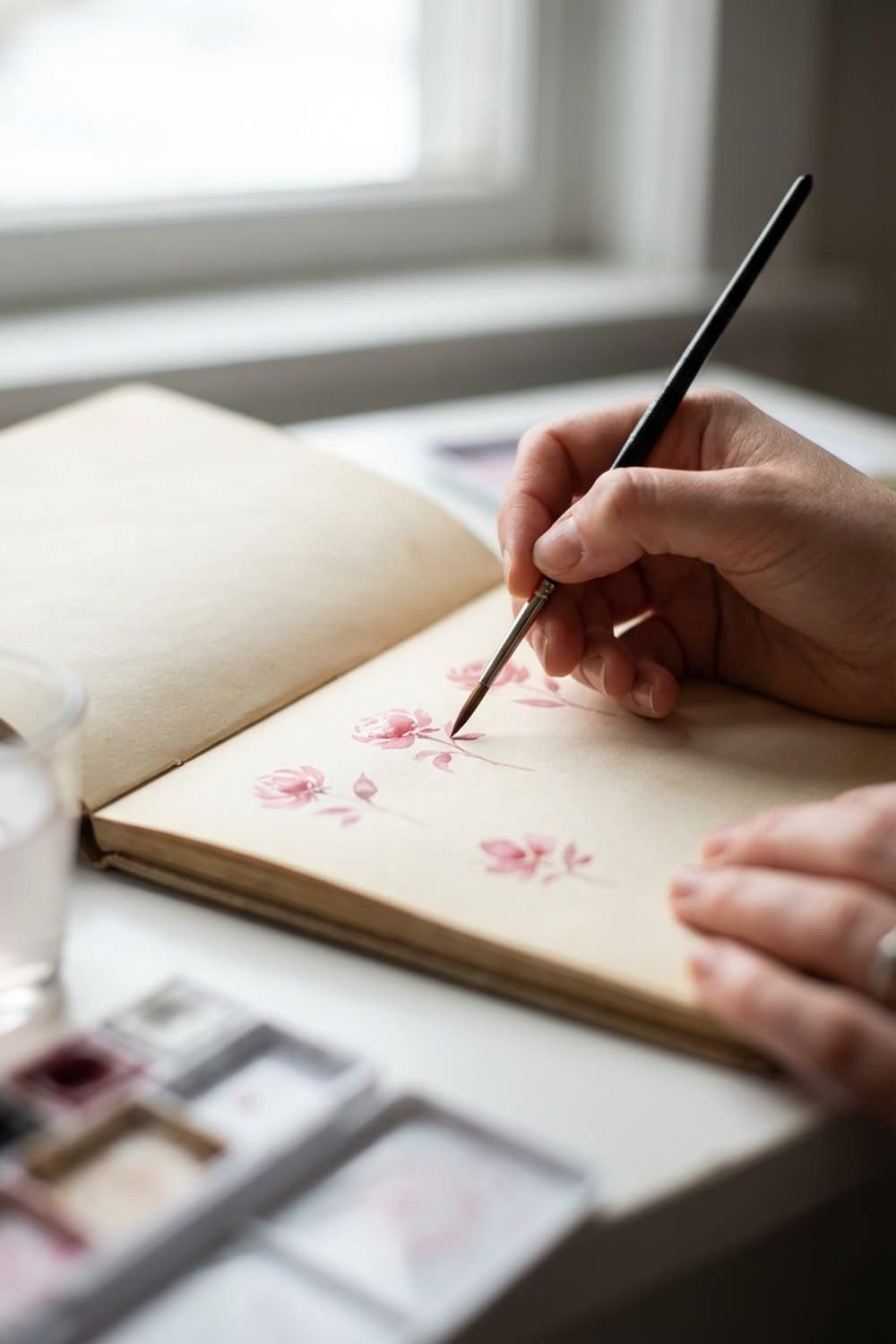
Start with flowers that have simple shapes. These tiny florals are perfect for beginners and look charming in any sketchbook:
Simple Roses
Paint a small spiral of color, then add a few outer petals. Tiny roses look beautiful even when imperfect—the loose, organic shape is part of their charm.
Five-Petal Flowers
These are the easiest florals to master. Five simple petal shapes around a center dot, and you have an instant flower. Think forget-me-nots or simple wildflowers.
Lavender Sprigs
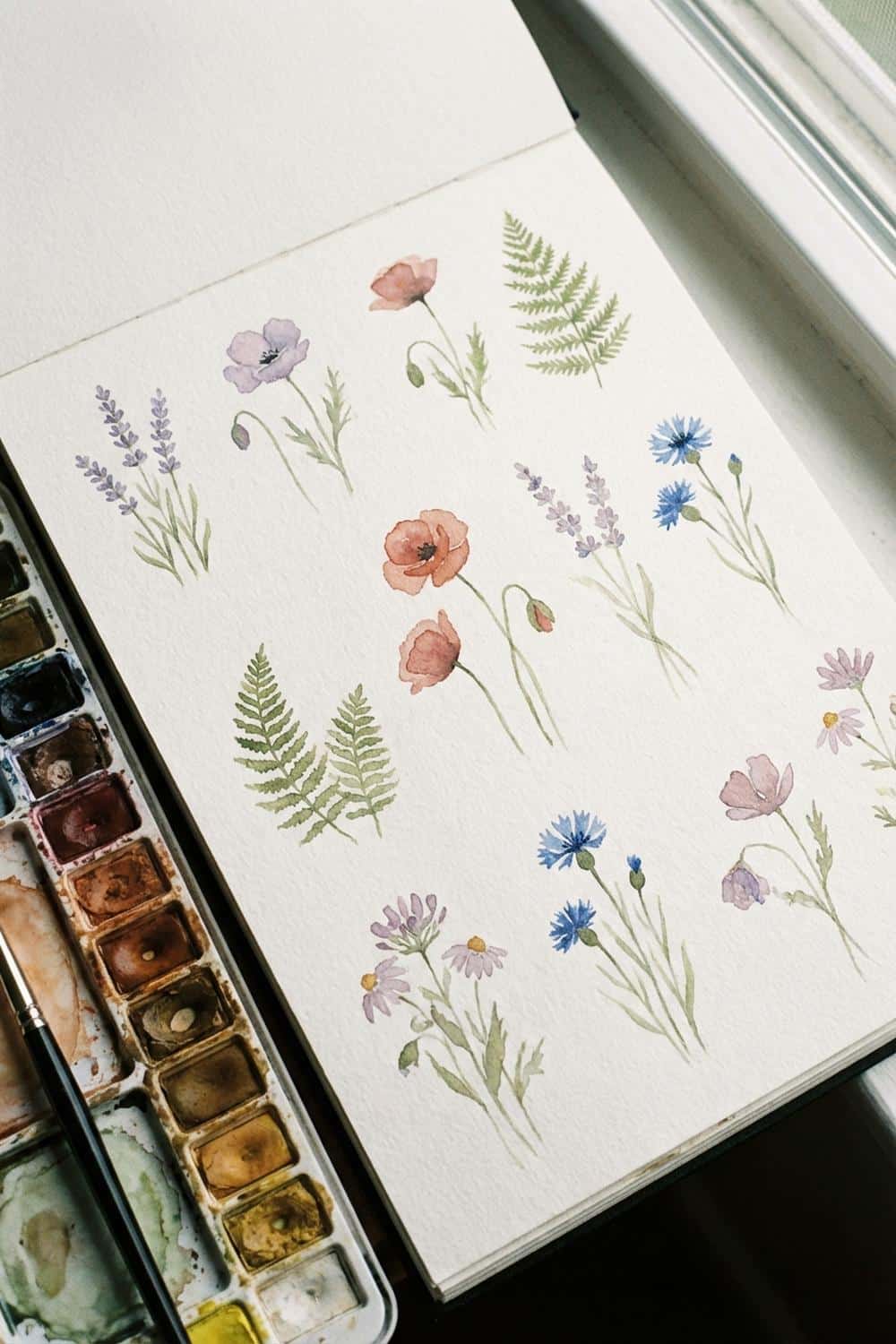
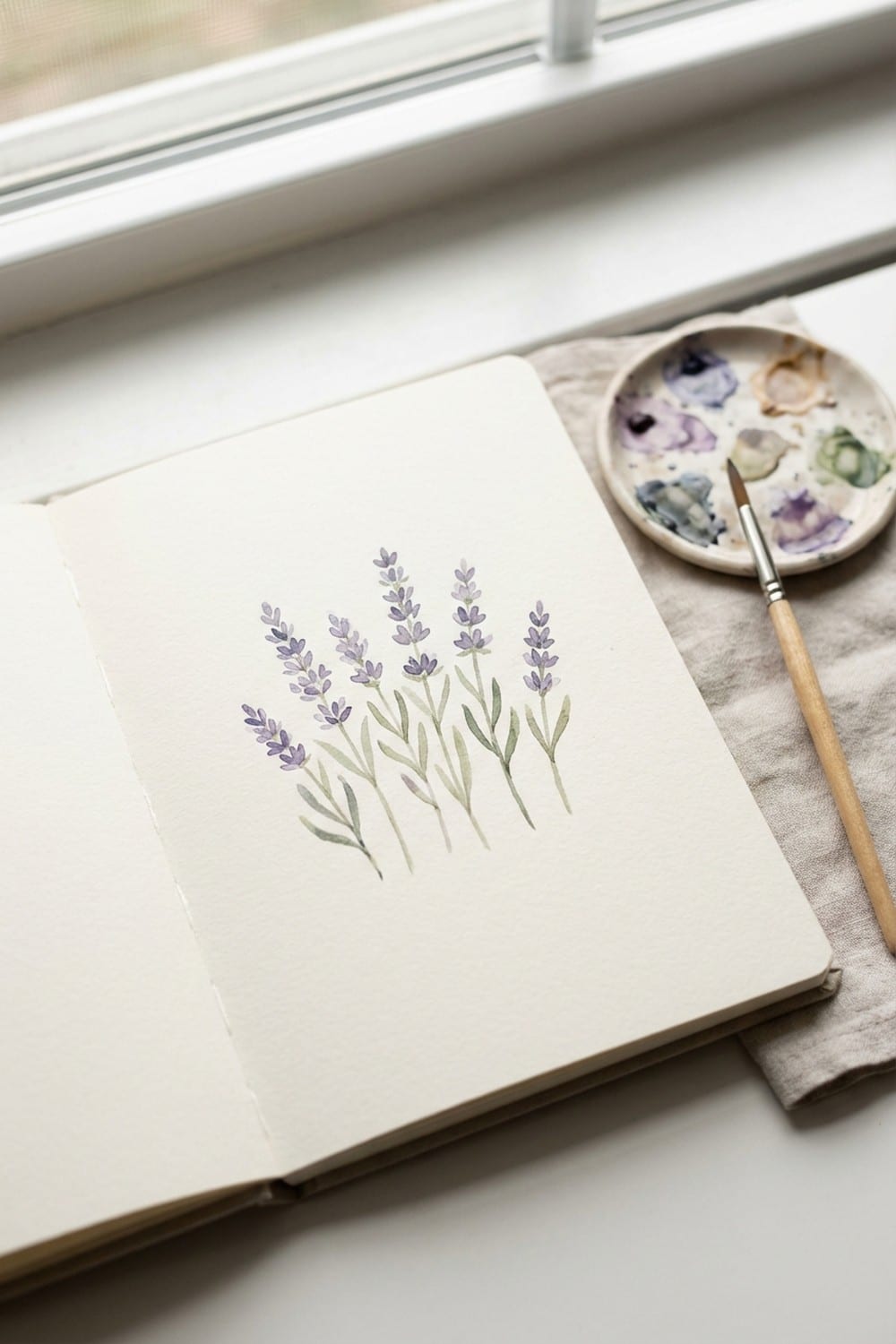
Small dabs of purple along a curved stem create lovely lavender. These work beautifully as filler elements between larger flowers.
Tiny Daisies
White petals around a yellow center—simple but always cheerful. Leave some white paper showing for the petals and just tint the shadows.
Simple Leaves and Buds
Don’t forget the greenery! Small leaves and unopened buds fill spaces beautifully and make your compositions look more natural.
👆 Enjoyed this? Subscribe to Artsydee on YouTube for more tutorials!
Simple Techniques for Small Florals
Mastering a few basic techniques will transform your tiny florals from wobbly experiments to confident little studies.
Wet-on-Wet for Soft Petals
Wet the paper first, then drop in color. The pigment spreads softly, creating that dreamy, organic look that makes watercolor florals so appealing. This technique works especially well for roses and peonies.
Wet-on-Dry for Crisp Details
For defined petals and clear shapes, work on dry paper. This gives you more control and creates those lovely hard edges that make small flowers pop.
Lifting for Highlights
While the paint is still wet, lift some color with a clean, damp brush. This creates natural-looking highlights without needing white paint.
Sketchbook Layout Ideas for Tiny Florals
Part of the fun is deciding how to arrange your tiny florals on the page. Here are some layouts that work beautifully:
- Grid of small studies – Paint 9 or 12 tiny flowers in a neat grid for a sampler effect
- Scattered arrangement – Place flowers randomly across the page like they’ve fallen from a bouquet
- Border design – Create a frame of tiny florals around the edge, leaving the center for journaling
- Botanical studies – Paint the same flower multiple times at different angles
- Color studies – Paint the same flower in different color combinations across the page
- Wreath or garland – Arrange tiny florals in a circular or curved pattern
For more sketchbook layout inspiration, check out my post on easy watercolor sketchbook ideas.
Color Palettes That Work Beautifully
Tiny florals look most cohesive when you limit your palette. Here are some combinations that always work:
Soft and Romantic
Blush pink, soft peach, and sage green. This palette is perfect for roses and peonies and has a timeless, elegant feel.
Wildflower Meadow
Soft purple, sunny yellow, white, and warm green. Think lavender, daisies, and buttercups dancing together.
Blue Garden
Cornflower blue, soft periwinkle, and deep green. Forget-me-nots and bluebells look stunning in these cool tones.
Warm Sunset
Coral, terracotta, and golden yellow with olive green leaves. This gives your florals a warm, autumnal feeling.
Free Tiny Floral Templates
I’ve created a set of printable templates featuring small-scale floral outlines—perfect for tracing or using as reference while you paint. The templates include simple roses, daisies, lavender, wildflowers, and a floral wreath.
Looking for more printable resources? Check out my Payhip shop for premium watercolor templates!
Frequently Asked Questions
What size brush is best for tiny watercolor florals?
A size 2 or 4 round brush works best for tiny florals. Look for a brush that holds its point well—this gives you the control needed for small, delicate petals while still holding enough water and pigment.
How do I keep tiny florals from looking muddy?
Let each layer dry before adding the next. With small paintings, it’s tempting to keep working while wet, but patience prevents muddy colors. Also, rinse your brush frequently and use clean water.
Can I use regular paper for tiny watercolor florals?
For best results, use paper at least 200gsm (90lb) weight. Regular paper will buckle and the colors won’t blend smoothly. Watercolor paper or mixed media paper gives much better results, even for small paintings.
How long does it take to paint a tiny floral?
A single tiny flower can take anywhere from 30 seconds to 5 minutes, depending on complexity and drying time between layers. That’s what makes them perfect for quick practice sessions or filling spare moments.
Final Thoughts
Tiny watercolor florals are one of the most satisfying subjects to practice. They’re quick, forgiving, and endlessly variable. Start with just one small flower today, and before you know it, you’ll have pages filled with beautiful botanical studies.
The printable templates are waiting for you above—grab them and give tiny florals a try in your next sketchbook session.
Want to see these techniques in action? Head over to my YouTube channel for step-by-step watercolor tutorials!
Tag me @artsydee on Instagram or Pinterest when you try these—I love seeing your tiny florals!
You Might Also Like
- One-Page Watercolor Sketchbook Ideas
- Simple Watercolor Shapes to Practice Daily
- Mini Watercolor Landscapes for Beginners
- Easy Watercolor Ideas Using Circles and Lines
- 30-Day Mini Watercolor Sketchbook Challenge
Pin this for later!