






Last Updated on January 13, 2026 by Dee
There’s something wonderfully satisfying about painting on canvas. The texture under your brush, the way colors blend and layer, that moment when you step back and think “I made that.” And here’s the secret nobody tells you: most stunning canvas paintings aren’t nearly as difficult as they look.
Whether you’ve never held a paintbrush or you’re looking for relaxing weekend projects, easy canvas painting is one of the most rewarding creative outlets you can try. You don’t need fancy techniques or years of art school. You just need some basic supplies, a willingness to experiment, and maybe a glass of wine.
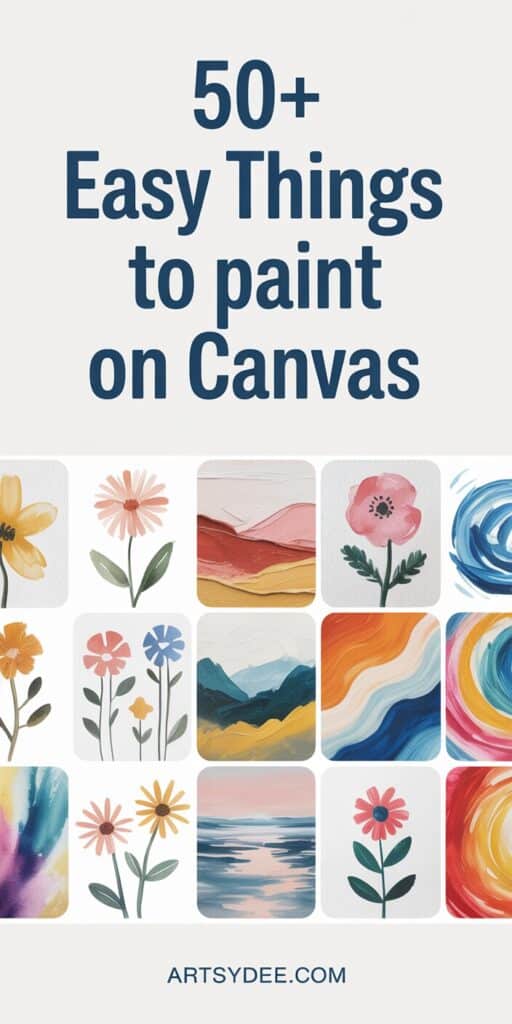
In this guide, I’m sharing over 50 simple canvas painting ideas perfect for beginners, along with practical tips to help you create artwork you’ll actually want to hang on your wall. Plus, I’ve got free traceable templates to make your first paintings even easier.


What Makes Canvas Painting “Easy”?
Before we dive into ideas, let’s talk about what actually makes a canvas painting beginner-friendly. Not all subjects are created equal when you’re just starting out.
Easy canvas paintings typically share a few characteristics: they use limited color palettes (fewer colors to mix and manage), feature simple shapes rather than intricate details, and forgive small mistakes because the overall effect matters more than precision.
Abstract art, simple landscapes, and bold graphic designs tend to be the most forgiving for beginners. Detailed portraits or realistic still lifes? Those come later. For now, we’re focusing on paintings that look impressive but won’t make you want to throw your brushes across the room.
PIN THIS FOR LATER! 👇🏻
Essential Supplies for Beginner Canvas Painting
You don’t need to spend a fortune to get started. Here’s what I recommend for beginners:
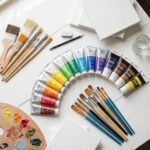
Acrylic Paints: Acrylics are perfect for beginners because they dry quickly, clean up with water, and are very forgiving. A basic set of 12-24 colors will cover most projects. Arteza Premium Acrylic Paint and Liquitex Basics are both excellent budget-friendly options with good pigment quality.
Canvas: Pre-stretched canvases are ready to paint right out of the package. Start with smaller sizes like 8×10″ or 11×14″ – they’re less intimidating and dry faster. Canvas panels (flat boards) are even cheaper if you’re just practicing.
Brushes: A variety pack with different sizes and shapes (flat, round, filbert) will handle most techniques. Synthetic brushes work beautifully with acrylics and are easier to clean than natural hair.
Palette: A disposable paper palette or even a paper plate works fine. Some artists use old ceramic plates or invest in a stay-wet palette to keep acrylics from drying out.
Water Container and Paper Towels: For rinsing brushes and blotting excess water.
If you want to trace designs onto your canvas (which makes painting SO much easier), a light tracing box is incredibly helpful. You can also use the window method – tape your template and canvas to a sunny window and trace the lines.
For more supply recommendations, check out my beginner’s art supplies guide.
This post contains affiliate links. If you make a purchase after clicking a link, I may earn a small commission at no extra cost to you.
50+ Easy Canvas Painting Ideas for Beginners
Now for the fun part! I’ve organized these ideas by category so you can find exactly what inspires you. Remember, these are meant as starting points – feel free to change colors, simplify designs, or make them completely your own.
Simple Floral Paintings
Flowers are fantastic for beginners because they’re naturally imperfect. A slightly wonky petal just looks organic, not like a mistake.
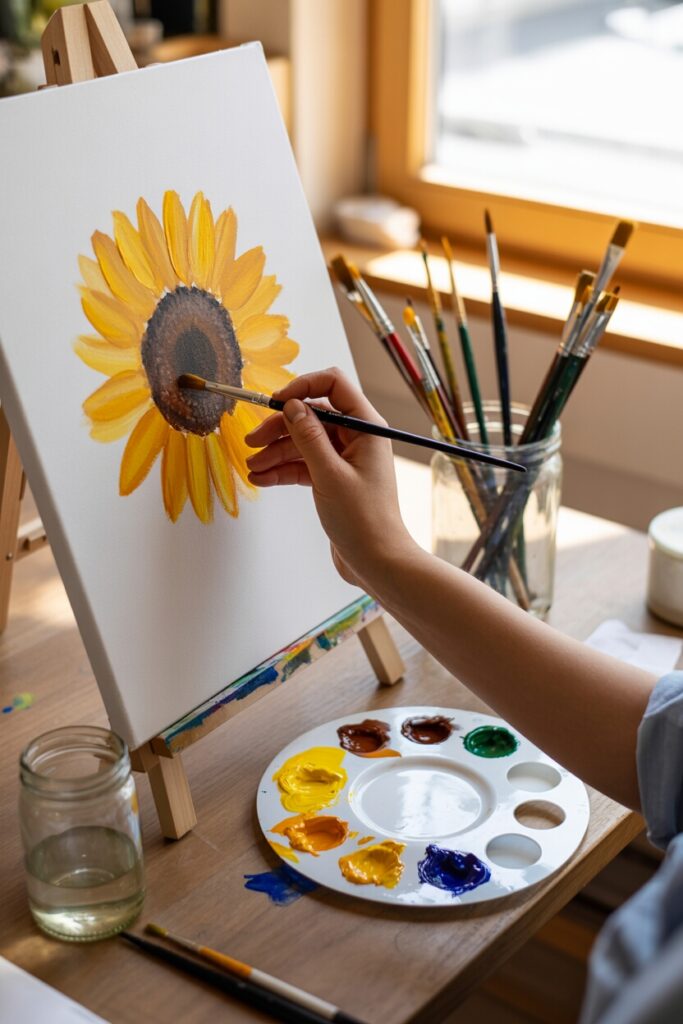
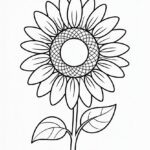
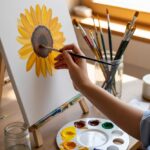
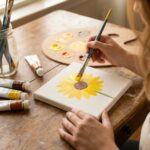
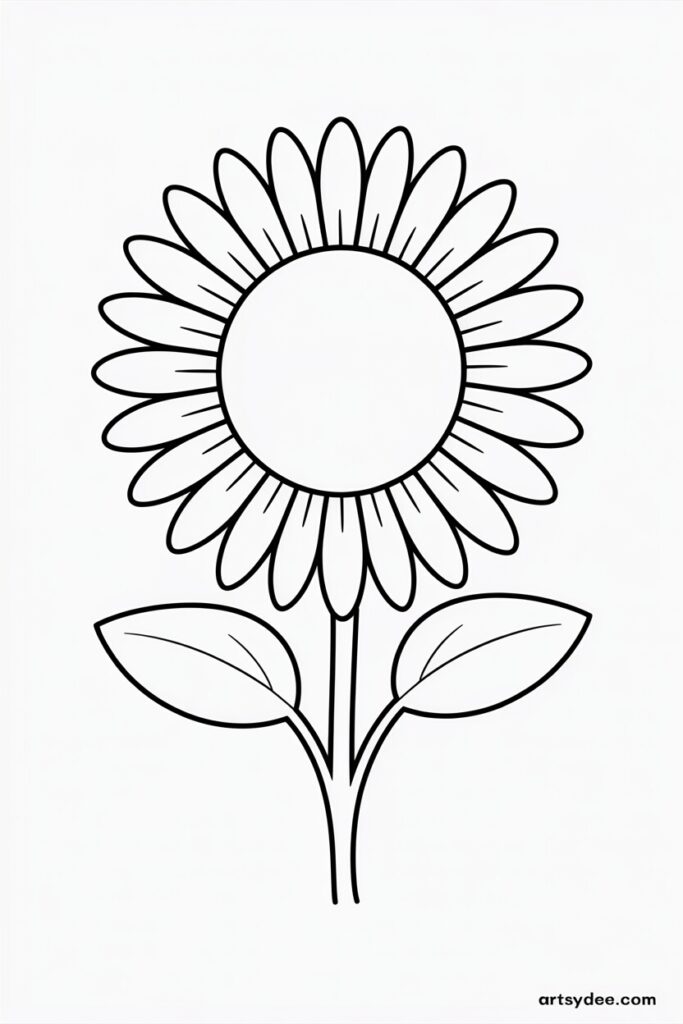
1. Single Sunflower – Big, bold, and hard to mess up. Paint a dark brown center, add yellow petals radiating outward, and you’re done. A blue or teal background makes those yellows pop.
2. Abstract Roses – Swirl your brush in circular motions with pink or red paint. Add a few green leaves. The messier, the more artistic it looks.
3. Simple Daisy Field – White petals with yellow centers scattered across a green or blue background. Use the end of your brush handle to dot the centers.
4. Lavender Stems – Thin vertical lines with tiny purple dabs clustered along them. Incredibly relaxing to paint.
5. Single Tulip – One elegant tulip shape in any color you love against a contrasting background.
6. Cherry Blossoms on Branch – A dark branch (just a curved line) with pink five-petal flowers scattered along it.
7. Wildflower Bouquet Silhouette – Paint a solid colored background, then add black silhouettes of various wildflower shapes.
8. Poppies – Red-orange circular shapes with black centers. The petals can be loose and overlapping.
For more floral inspiration, I’ve got tons of ideas in my watercolor flowers guide that work beautifully with acrylics too.
Easy Landscape Paintings
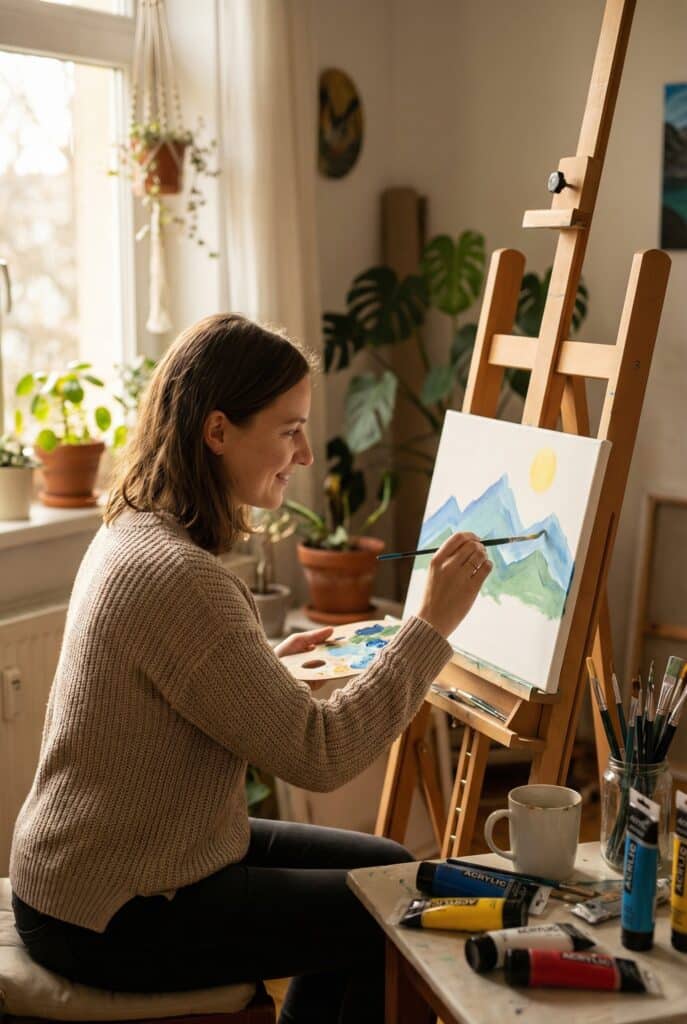
Landscapes let you work in layers and don’t require precise drawing skills. Start with the sky, add distant elements, then foreground details.
9. Sunset Gradient – Blend yellow at the horizon through orange, pink, and into purple or blue at the top. Add a simple black silhouette (trees, mountains, or city skyline) along the bottom.
10. Mountain Silhouette – Layer triangle shapes from light gray in the back to dark in front. Add a colorful sunset sky behind them.
11. Ocean Waves – Horizontal bands of blue shades with white foam lines. Very forgiving because water is naturally abstract.
12. Simple Beach Scene – Blue sky, blue-green water, beige sand. Add a few simple seashells or starfish if you want.
13. Palm Tree Silhouette – A gradient sunset background with a black palm tree shape. Classic and always stunning.
14. Birch Trees – White vertical trunks with black horizontal marks, set against a colorful background (fall colors work beautifully).
15. Starry Night Sky – Dark blue-to-black gradient with white or yellow dots and swirls for stars.
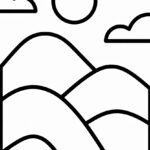
16. Rolling Hills – Overlapping curved shapes in various greens, getting lighter as they recede into the distance.
17. Desert Cactus Scene – Warm orange/pink sky with simple cactus silhouettes in the foreground.
18. Misty Forest – Layer simple tree shapes, making distant ones lighter and hazier.
I’ve also put together a collection of outline drawings for painting that includes landscape templates you can trace.
Abstract and Modern Designs
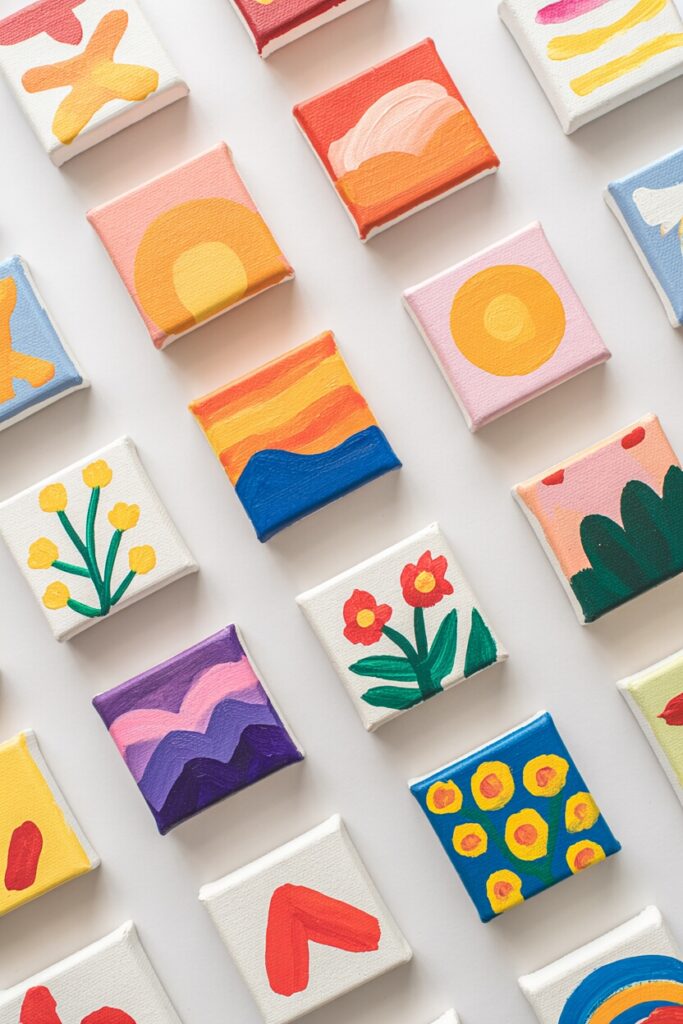
Abstract art is arguably the easiest for beginners because there’s no “wrong” way to do it. These ideas focus on color, shape, and texture rather than realistic representation.
19. Color Block Art – Geometric shapes in bold, contrasting colors. Use painter’s tape for crisp edges.
20. Gold Leaf Abstract – Paint a dark background (navy, black, or deep green), then add gold leaf or metallic paint in organic shapes.
21. Ombre Gradient – Blend one color from dark to light across the canvas. Simple but surprisingly sophisticated.
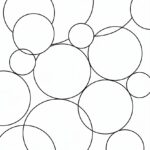
22. Circle Patterns – Overlapping circles in various sizes and colors. Use cups or lids to trace perfect circles.
23. Splatter Art – Cover your workspace (this gets messy!), then flick paint onto the canvas for Jackson Pollock vibes.
24. Minimalist Lines – Simple curved or straight lines on a solid background. Think continuous line drawings.
25. Geode-Inspired – Concentric wavy lines in graduating colors, mimicking the look of a sliced geode.
26. Marble Effect – Swirl white into dark colors while wet for a marble-like appearance.
27. Textured Impasto – Apply thick paint with a palette knife for a sculptural, textured surface. The texture itself becomes the art.
28. Dot Mandala – Use the end of a brush or dotting tools to create mandala patterns dot by dot. Meditative and beautiful.
If you love the meditative aspect of pattern-making, check out my zentangle art guide for more ideas.
Cute and Whimsical Subjects
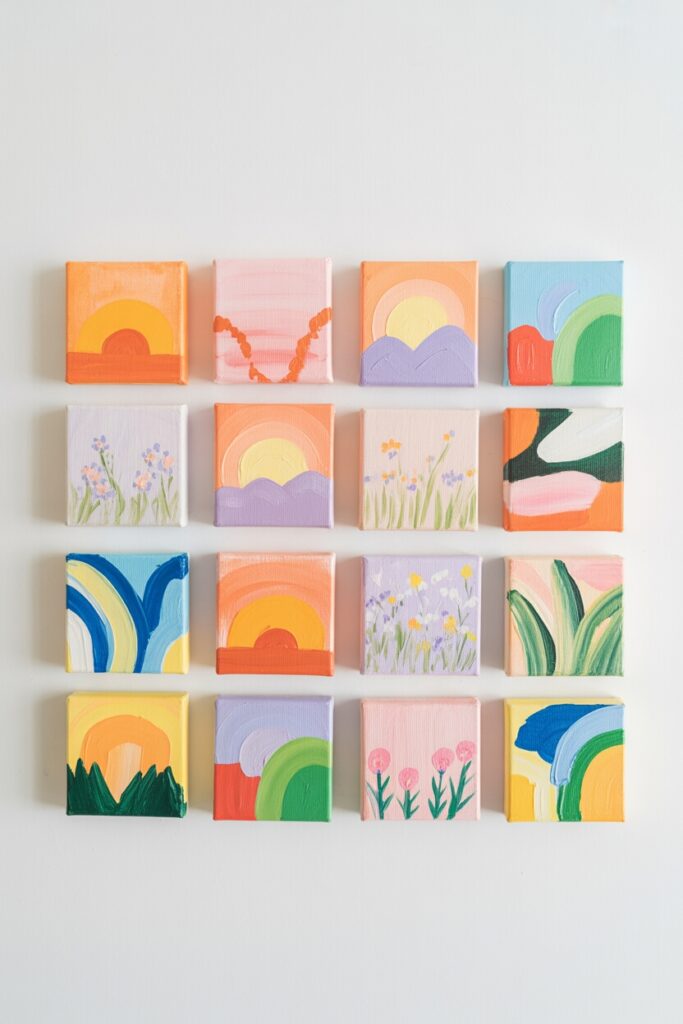
These playful paintings are perfect for kids’ rooms, gifts, or anyone who loves a bit of whimsy.
29. Moon Phases – A row of moons from crescent to full on a dark background. Celestial and on-trend.
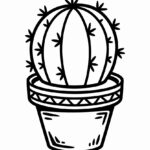
30. Simple Cactus – Green oval shapes with simple line patterns for spines, set in a cute pot.
31. Rainbow Stripes – Horizontal or diagonal rainbow bands. Use painter’s tape for clean edges or go freehand for a softer look.
32. Hot Air Balloon – A simple balloon shape with colorful stripes and a tiny basket.
33. Love Heart – A bold heart shape in your favorite color. Add patterns, ombre shading, or keep it solid.
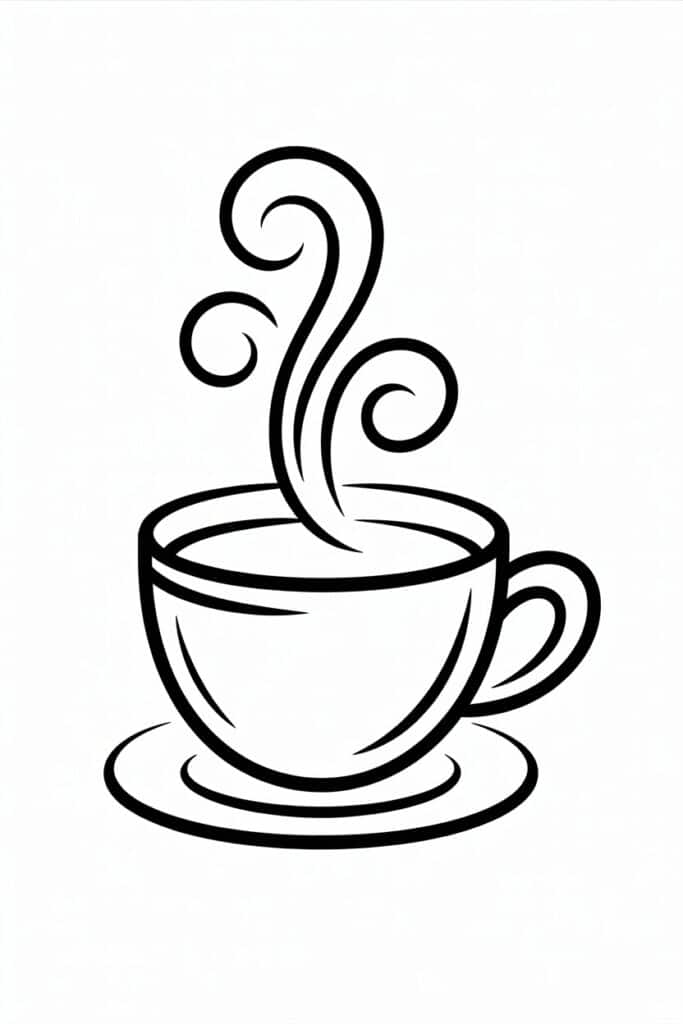
34. Coffee Cup – A simple mug shape with steam swirls rising from it. Perfect for kitchen decor.
35. Constellation Map – Dark background with dots and lines forming your zodiac constellation or a favorite star pattern.
36. Fruit Slice – A cross-section of a lemon, orange, watermelon, or kiwi. Bold colors and simple shapes.
37. Ice Cream Cone – Colorful scoops on a waffle cone. Fun summer art!
38. Dandelion Wishes – A simple dandelion seed head with some seeds floating away.
I have even more cute ideas in my cute canvas painting ideas for beginners post!
Nature and Animals (Simplified)
These nature subjects are broken down into their simplest forms – no need for realistic detail.
39. Butterfly Silhouette – A solid-colored butterfly shape against a contrasting background. Or paint the background through a butterfly-shaped stencil.
40. Simple Fish – Basic fish shapes in bright tropical colors. Great for practicing blending.
41. Owl Eyes – Just two large, detailed owl eyes peeking out from a dark background. Mysteriously cool.
42. Feather – One elegant feather with soft barbs. Use a thin brush for the delicate lines.
43. Bee on Flower – A simple flower with a tiny striped bee. Cute and cheerful.
44. Turtle – A simplified turtle shape with a patterned shell. Geometric patterns work perfectly for the shell design.
45. Dragonfly – Long body, four transparent-looking wings. Simple but elegant.
46. Leaf Studies – Single leaves (monstera, maple, oak) in various colors. Focus on shape rather than detail.
For more animal drawing inspiration you can adapt for painting, explore my cute animal drawings collection.
Seasonal and Holiday Paintings
Perfect for decorating throughout the year or making personalized gifts.
47. Pumpkin Patch – Orange pumpkin shapes of various sizes. Add a little green stem and you’re done.
48. Snowy Tree – A simple evergreen tree silhouette with white “snow” on the branches.
49. Spring Blossoms – A branch with pink or white blossoms against a pale blue sky.
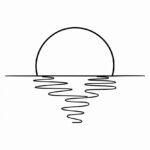
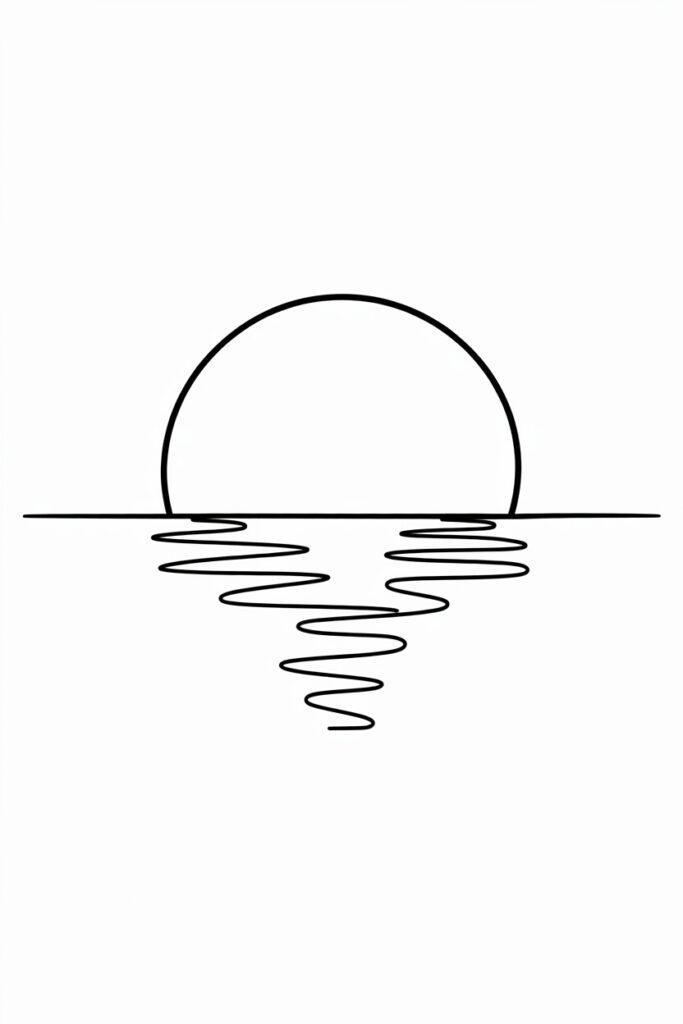
50. Summer Sunset – Classic warm gradient with a beach or lake silhouette.
51. Autumn Leaves – Falling leaves in oranges, reds, and yellows against a gray or blue background.
52. Valentine Hearts – Multiple hearts in various sizes and shades of pink and red.
53. Shamrock – A simple four-leaf clover in shades of green.
54. Easter Eggs – Decorated egg shapes with patterns and bright spring colors.
55. Christmas Ornaments – Simple round ornaments hanging from the top of the canvas, with decorative patterns inside each one.
Looking for more seasonal inspiration? My winter things to draw post has plenty of ideas that translate beautifully to canvas.
Tips for Your First Canvas Painting
Before you start, here are some practical tips that will make your painting experience much more enjoyable:
Start with a colored background. Painting on white canvas can feel intimidating, and any tiny spot you miss shows up glaringly. Try covering the whole canvas with a base color first – it unifies the painting and makes everything feel more cohesive.
Work from back to front. Paint your background first, let it dry, then add middle-ground elements, and finish with foreground details. Acrylics dry quickly, so you can layer within a single session.
Don’t be afraid to go dark. Beginners often paint too light because they’re nervous. Bold, rich colors read as more confident and intentional.
Step back frequently. It’s hard to judge your painting when you’re six inches away from it. Take breaks and view it from across the room.
Embrace “happy accidents.” Bob Ross was onto something. Sometimes the mistakes become the best parts of a painting. If something goes wrong, work with it rather than against it.
Let layers dry completely. Acrylics dry fast but not instantly. If you paint over semi-wet paint, you’ll muddy your colors. Wait five to ten minutes between layers.
Keep your brushes wet. Dried acrylic on brushes is nearly impossible to remove. Rinse them frequently and never let paint dry on the bristles.
Using Templates and Traceable Outlines
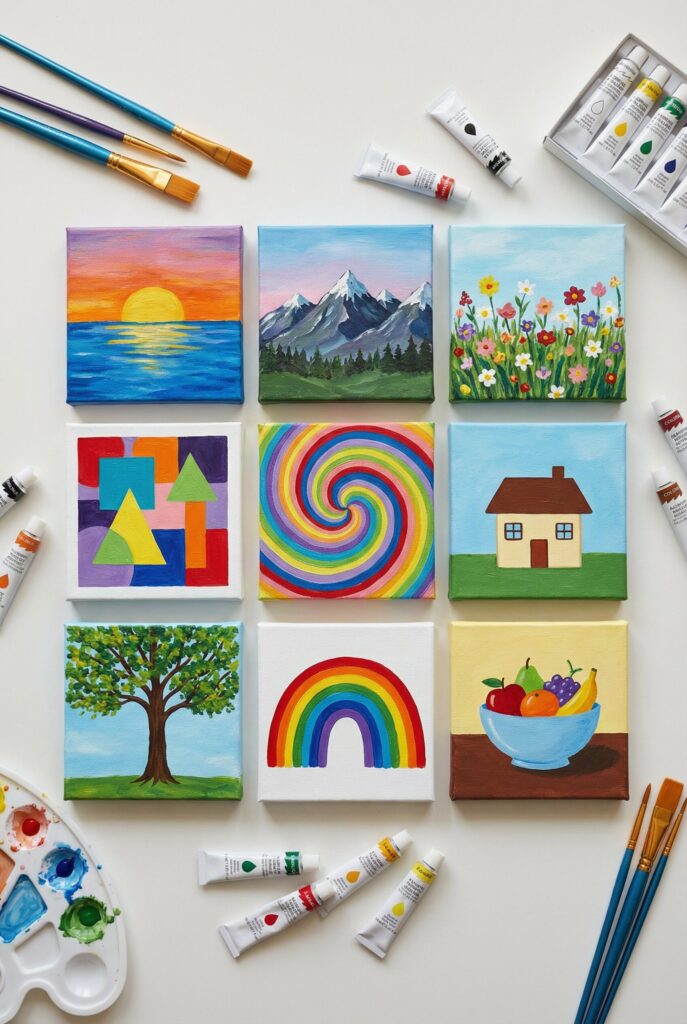
There’s absolutely no shame in using templates. Professional artists do it all the time! Tracing an outline takes away the stress of drawing and lets you focus on the fun part – the actual painting.
Here are a few ways to transfer a design to your canvas:
Light box method: Place your template on a light tracing box, put your canvas on top, and trace the lines with pencil.
Window method: Tape your template to a sunny window, tape the canvas over it, and trace. Free and effective!
Transfer paper: Place transfer paper (carbon side down) between your template and canvas, then trace over the lines with a pencil.
Grid method: Draw a grid on your reference image and a matching grid on your canvas, then copy the contents of each square.
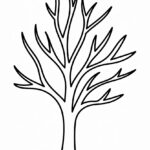
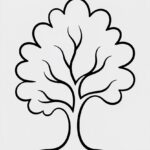
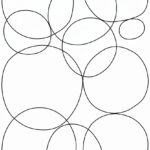
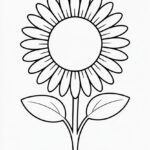
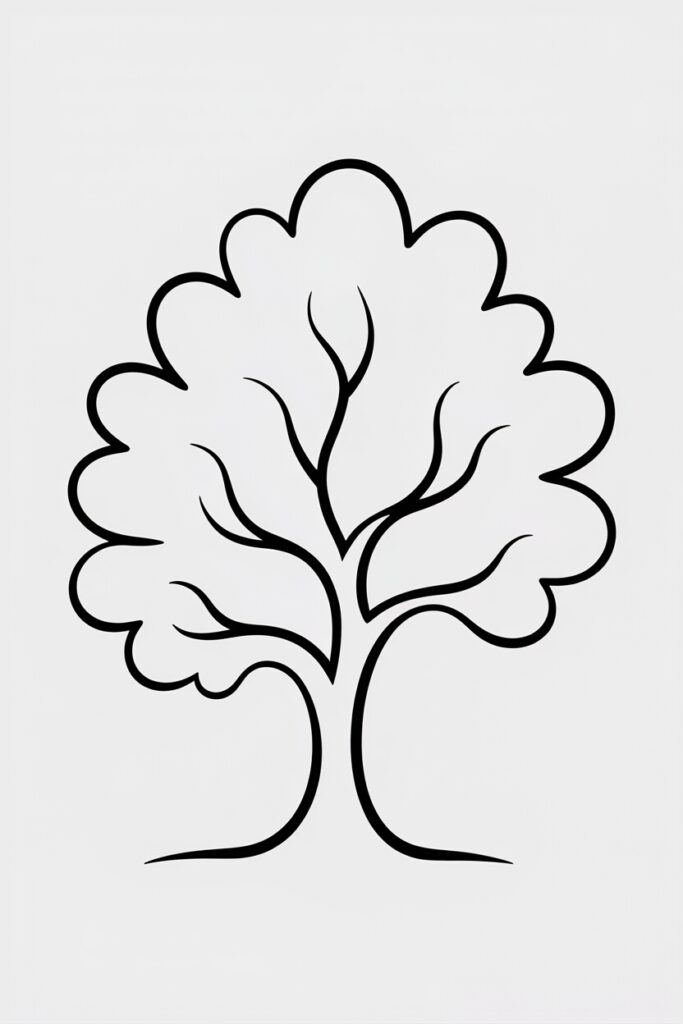
I’ve created a free set of simple traceable canvas templates to help you get started. These outlines are specifically designed for beginners – clean, simple shapes that are easy to paint and look great when finished.
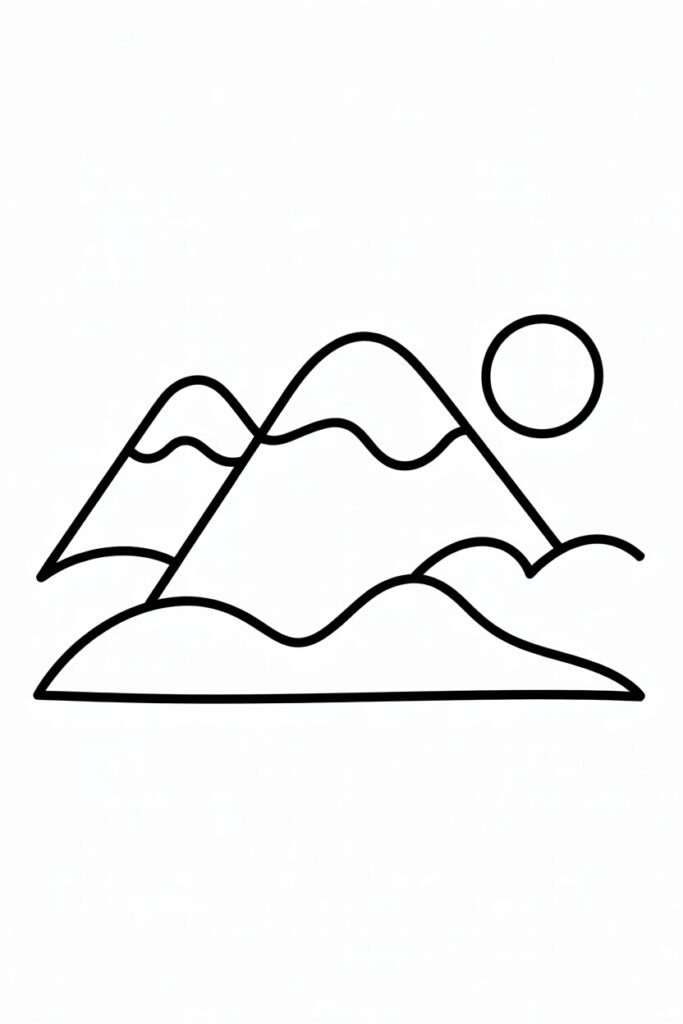
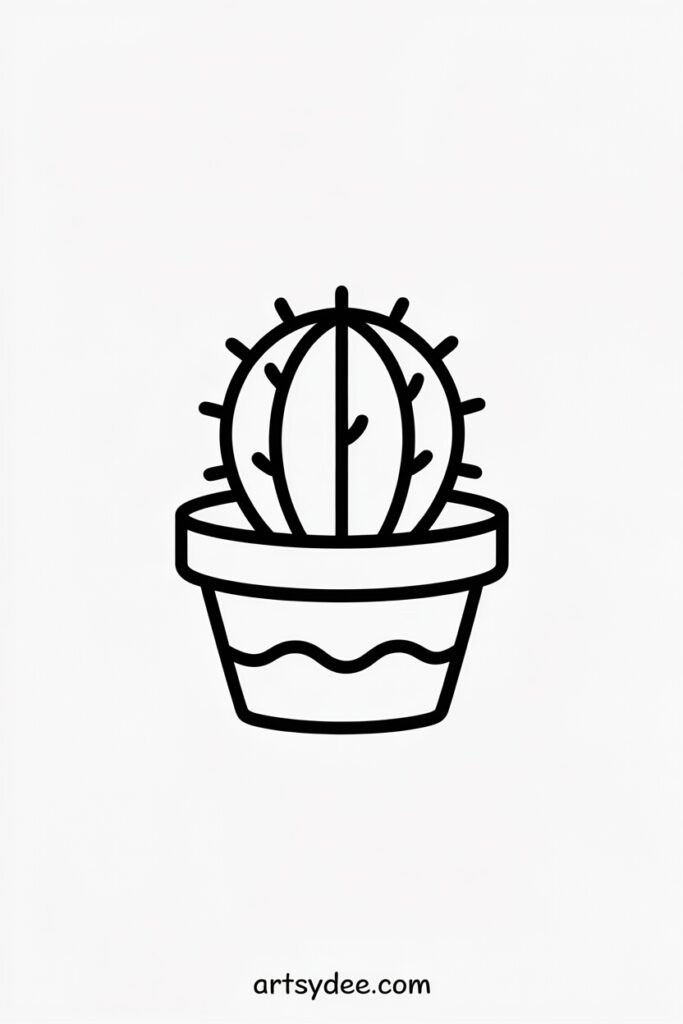
For even more free templates, check out my free watercolor stencils (they work for acrylics too!) and my outline drawings for painting.
Grab the FREE PAINTING TEMPLATES HERE (below)!
Small Canvas Painting Ideas
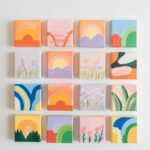
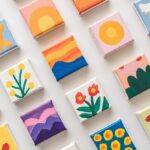
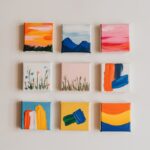
Working small is actually perfect for beginners. Small canvases (4×4″, 5×7″, or 8×10″) are less intimidating, faster to complete, and use less paint. They’re also ideal for making sets of mini paintings or practicing techniques before committing to larger pieces.
These ideas work especially well on small canvases:
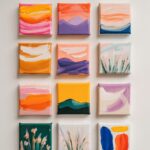
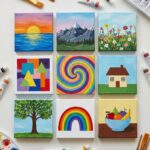
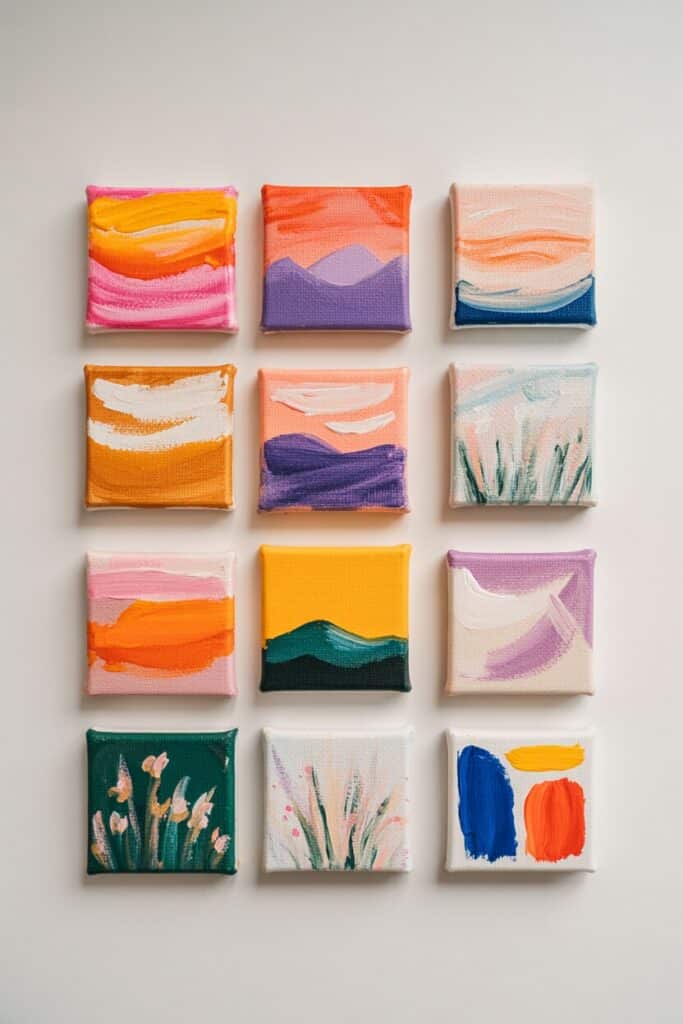
Mini abstract squares – Create a set of four or six small abstract canvases in coordinating colors to display as a group.
Tiny landscapes – A simplified sunset or mountain scene works beautifully in miniature.
Single flower studies – One flower per canvas creates a focused, elegant piece.
Quote art – Paint a simple background and add a hand-lettered word or short quote.
Mini fruit slices – Bright citrus slices look adorable in 4×4″ size.
Tiny animal faces – Just the face of a cat, fox, or owl – simple features against a solid background.
Small canvases also make wonderful handmade gifts. A set of coordinating mini paintings in a pretty arrangement shows so much more thought than store-bought art.
DIY Canvas Painting Ideas for Your Home
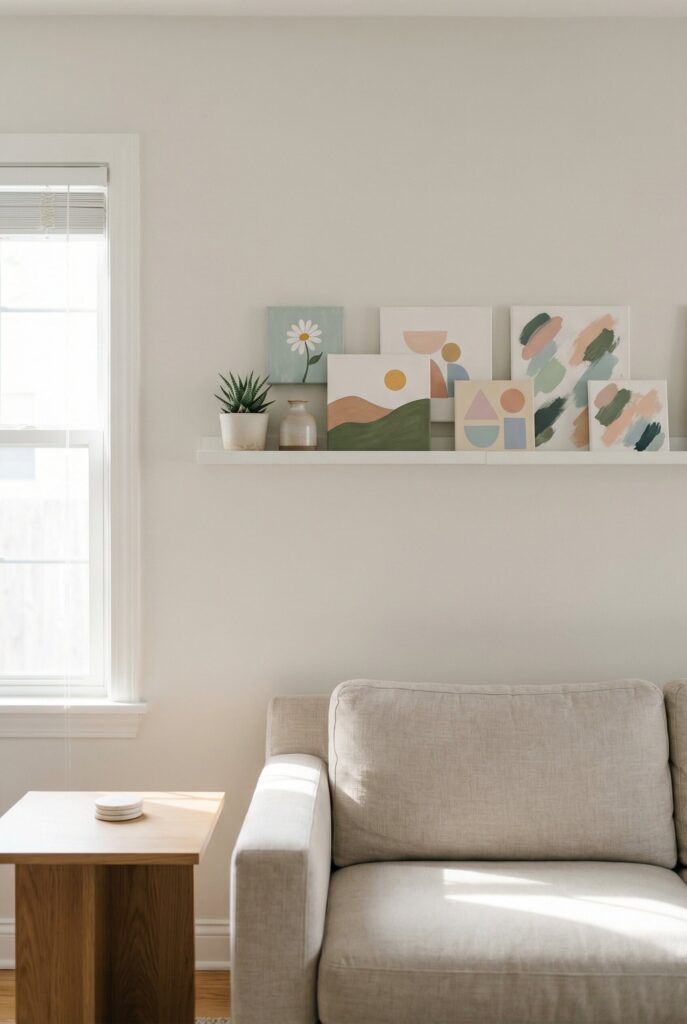
One of the best things about painting your own canvas art is customizing colors to match your existing decor. Here are ideas organized by room:
Living Room: Abstract pieces in your accent colors, landscape panoramas (try a three-canvas set), or botanical prints.
Bedroom: Calming subjects like moons, clouds, ocean scenes, or soft florals. Stick to a muted, peaceful palette.
Kitchen: Food-themed art (fruit slices, herbs, coffee cups), bright cheerful abstracts, or vintage-inspired botanical illustrations.
Bathroom: Ocean themes, tropical leaves, or minimalist line art. Seal finished paintings with a clear coat to protect from humidity.
Kids’ Room: Rainbows, animals, hot air balloons, outer space themes, or their favorite characters in simplified form.
Home Office: Inspirational quote art, abstract pieces that don’t distract, or calming nature scenes.
Where to Go From Here
Once you’ve completed a few beginner paintings and built your confidence, you might want to explore:
Color mixing: Instead of buying every color, learn to mix your own. Start with a limited palette (primary colors plus white and black) and see what you can create.
Different techniques: Try palette knife painting, dry brushing, or glazing. Each technique creates different textures and effects.
Other mediums: Once you’re comfortable with acrylics, you might enjoy exploring watercolor painting or oil paints.
Larger canvases: Scale up your favorite small painting ideas into statement pieces.
The most important thing? Just start. Your first painting doesn’t need to be perfect – it just needs to exist. Every artist has a first canvas, and I promise it wasn’t a masterpiece. What matters is that you picked up a brush and tried.
So grab some paint, pick an idea from this list (or check out even more ideas here), and make something beautiful tonight. You might just surprise yourself.
Happy painting! 🎨