Last Updated on October 1, 2026 by Dee
Painting with kids is gloriously messy. There’s water everywhere, the table looks like a crime scene, and somehow paint ends up on the ceiling. But the look on a child’s face when colours bleed together on the page for the first time? Totally worth it.
Watercolor is one of the best art mediums for young artists because it’s forgiving, easy to clean up, and produces beautiful results even when the technique is… let’s say “free-spirited.” Kids don’t need perfect control to make something they’re proud of. A puddle of blue and a streak of yellow becomes a sky. A splodge of green becomes a frog. That’s the beauty of it.
I put together 10 easy watercolor projects that actually work with kids — no advanced skills needed, no frustration, just good creative fun. Each one uses basic techniques like wet-on-wet washes, resist methods, and simple shapes that little hands can manage.
Grab your free Kids Watercolor Project Cards and Colour Mixing Activity Sheet at the links below — they’ll make art time even easier to set up and way more fun!
Table of Contents
Free Kids Watercolor Project Cards
I made a set of printable project cards so you can hand one to your child and let them follow along independently. Each card has a simple visual guide, a list of colours to use, and step-by-step instructions written for kids. Print them out, laminate them if you’re feeling organised, and keep them in your art supplies drawer for whenever creativity strikes.
- 10 illustrated project cards with kid-friendly instructions
- Colour suggestions for each project
- Simple technique tips on every card
Once the kids are painting happily, treat yourself too — my Patreon has premium watercolour reference sets with colour-recipe cards for your own painting time.
See what’s on Patreon →Want Weekly Watercolor Resources?
If you love these free printables, you’ll absolutely love my Patreon. Every week I share new watercolor resources — reference sheets, colour mixing guides, painting tutorials, and practice templates. You get instant access to a growing library of creative resources the moment you join.
It’s the best way to keep your watercolor practice fresh with new inspiration every single week. Join me on Patreon here →
Pin this post for later!
Rainbow Wash (The Perfect First Project)
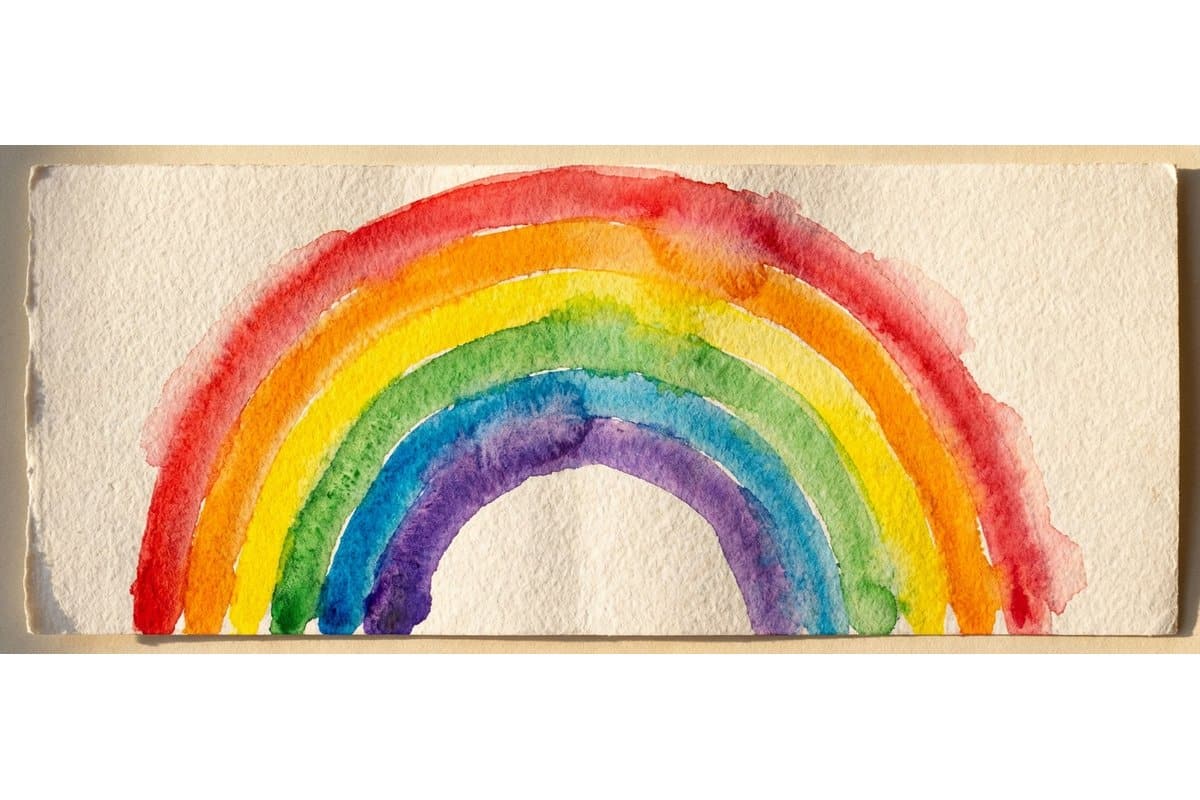
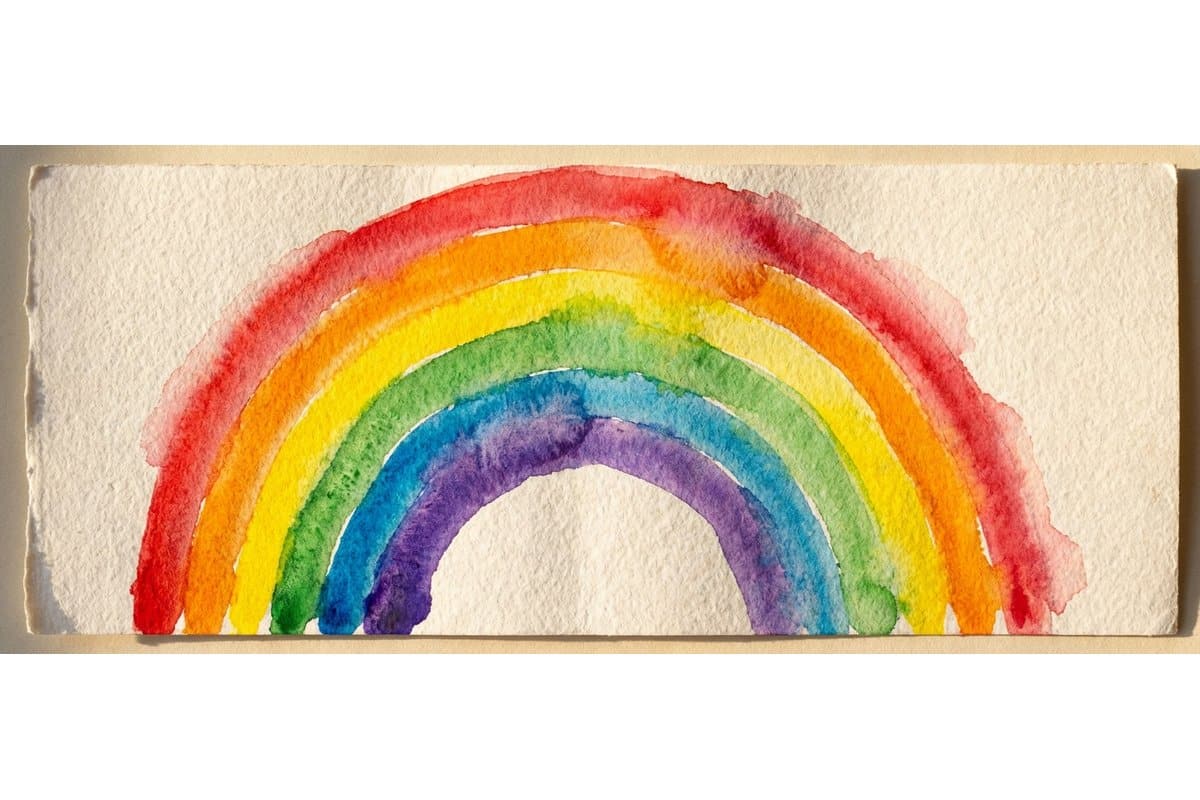
This is the one I always start with because it’s basically impossible to mess up. Wet the entire page with clean water first, then let your child drop in stripes of colour across the paper — red, orange, yellow, green, blue, purple. The colours bleed into each other naturally and create this gorgeous gradient effect.
The wet-on-wet technique teaches kids how watercolor behaves without any pressure to “get it right.” They’re just watching colours flow and mix, which is mesmerising at any age. My favourite part? Every single rainbow wash turns out differently, so there’s always a surprise.
Use a kid-friendly watercolor set with bright, pigmented colours for the best results. Cheap school paints work too, but the colours won’t be as vibrant. For more beginner-friendly painting techniques, check out my watercolor painting ideas for beginners post.
Watercolor Resist Art with Crayons
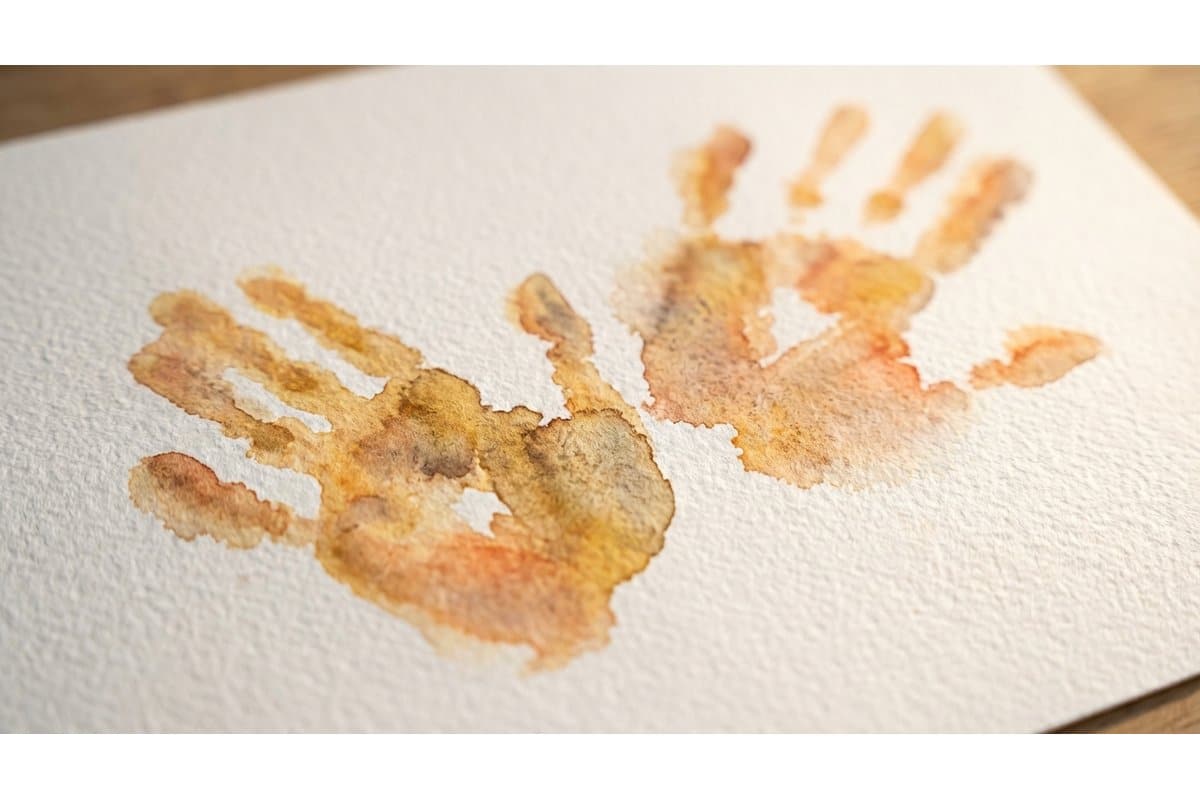
This one feels like actual magic to kids. Draw a picture with white or light-coloured crayons on white paper — stars, swirls, their name, a hidden message, whatever they want. Then paint over the whole thing with watercolor. The waxy crayon resists the paint and the drawing appears like a secret message being revealed.
Kids absolutely lose their minds over this technique. It works with any crayon colour really, but white-on-white creates the biggest “wow” moment. Try drawing snowflakes with white crayon, then painting a blue wash over the top for a winter scene. Or write secret messages for each other and paint them to read.
Press hard with the crayon — that’s the key. Light strokes won’t resist the paint enough. This is a brilliant project for kids who are still developing fine motor skills because the drawing doesn’t need to be precise at all. If your child loves mixing techniques, they’ll also enjoy exploring simple watercolor ideas for beginners.
Handprint Butterfly Painting
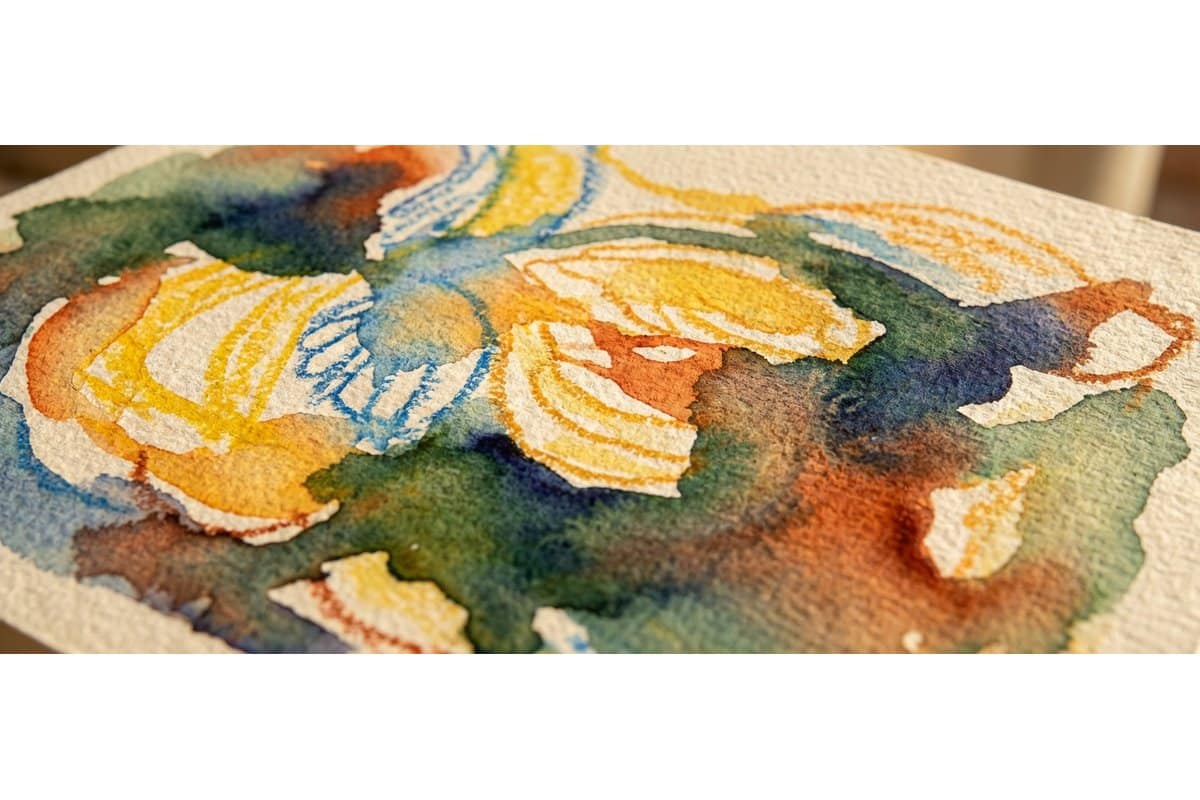
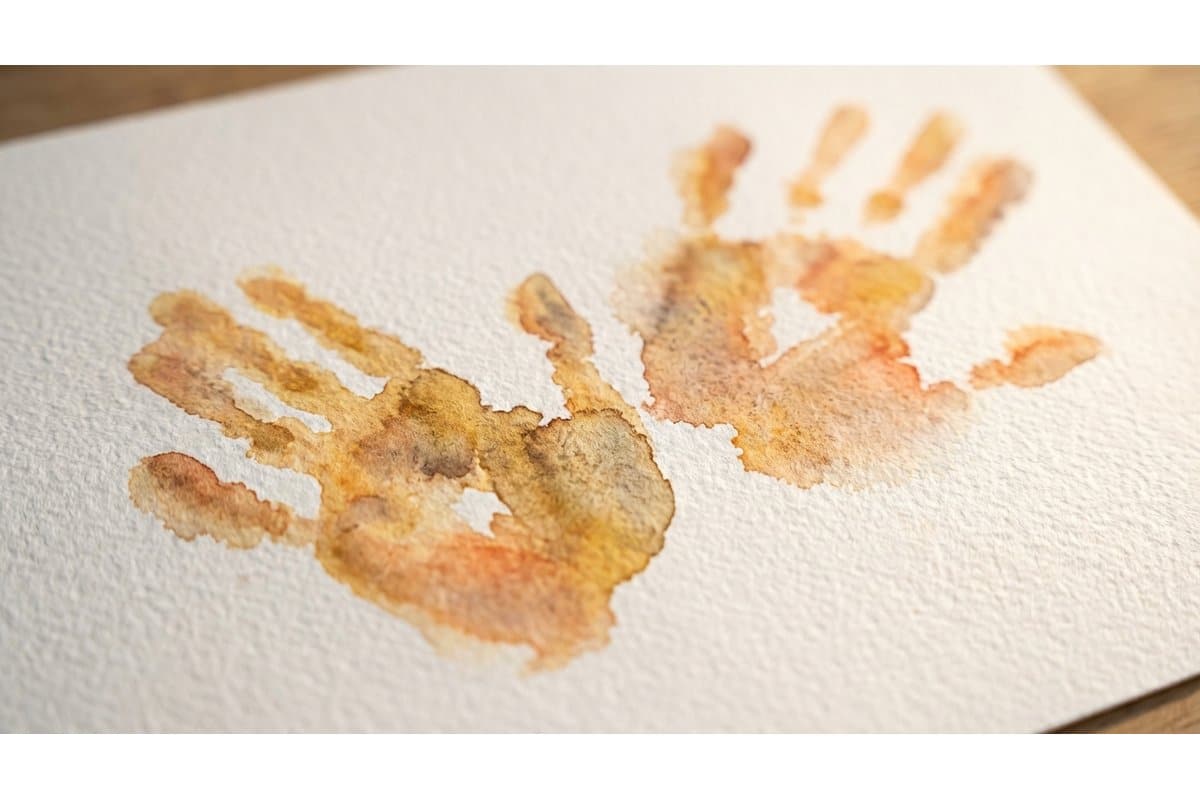
Fold a piece of paper in half. Have your child paint one handprint on one side with lots of colour — really load up the paint. Fold the paper closed and press gently. Open it up and you’ve got a symmetrical butterfly. Add a simple body and antennae with a thin brush or marker once it dries.
What makes this so good for kids is the symmetry lesson hiding inside the fun. They’re learning about mirror images without even realising it. Plus, every butterfly turns out unique because the paint squishes differently each time.
For extra sparkle, sprinkle a tiny bit of salt onto the wet paint before folding. It creates beautiful starry textures as the paint dries. Just make sure to brush off the salt once everything is completely dry. These make wonderful cards for grandparents, too.
Easy Ocean Scene with Fish
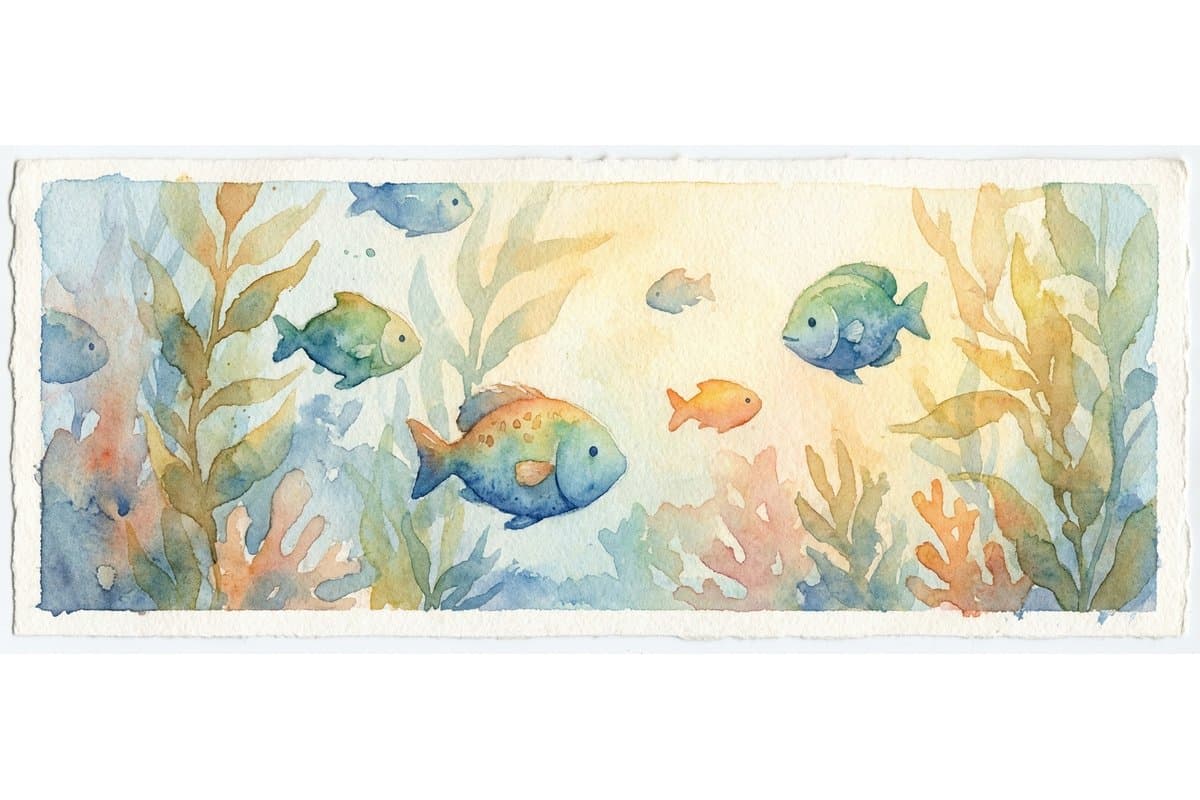
Start with a wet blue wash for the ocean — encourage your child to make it wavy and uneven (it looks more realistic that way). While it’s drying, practise painting simple fish shapes on scrap paper. Once the ocean background is dry, add little fish using bright oranges, yellows, and greens.
Fish are great shapes for kids because they’re basically just ovals with a triangle tail. Even a wobbly fish looks like a fish. Add some green seaweed at the bottom with wavy strokes and maybe a few bubbles, and you’ve got a proper underwater scene. Kids who are into sea creatures can add starfish, jellyfish, or even a whale.
The layering in this project — painting the background first, waiting, then adding details — teaches patience. It’s also a sneaky way to introduce the concept of foreground and background. If your children enjoy ocean themes, there are loads more ideas in my abstract art for kids collection.
Fruit Painting with Bold Colours
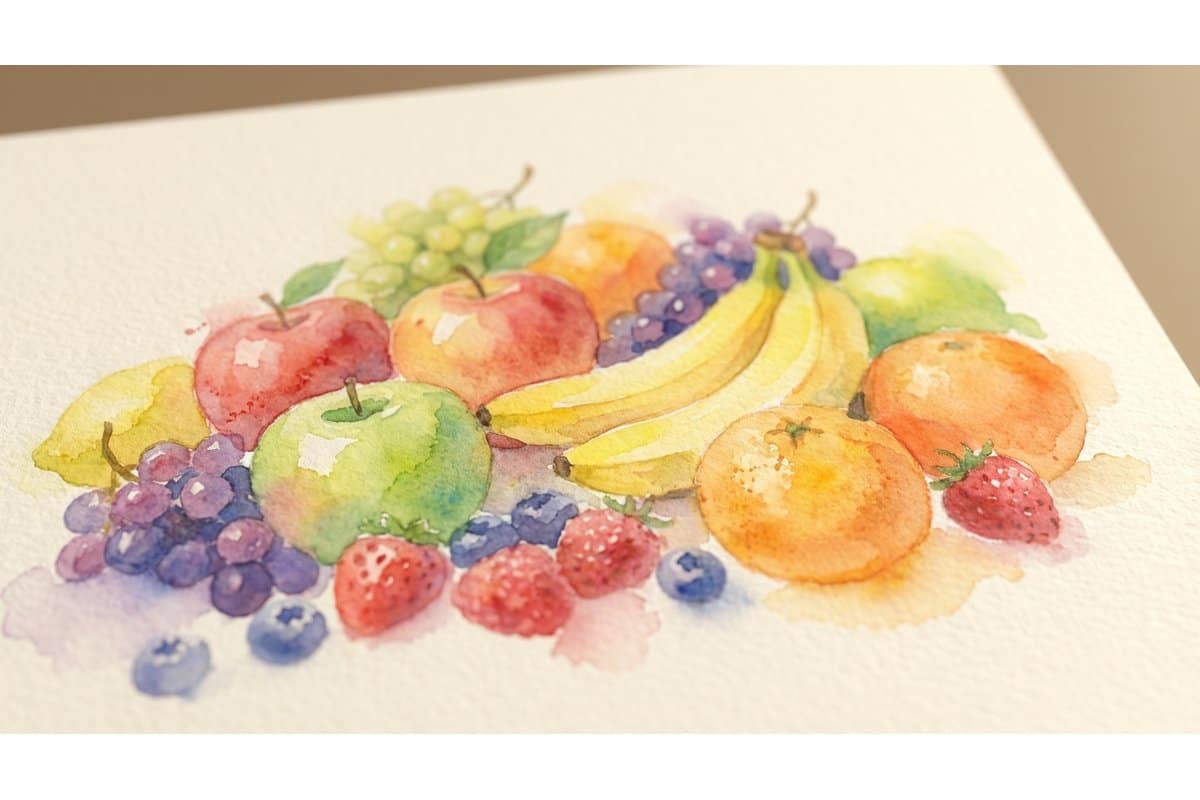
Set some real fruit on the table and let your child paint what they see. Apples, oranges, lemons, and watermelon slices all have simple shapes that kids can handle. The best part? You can eat your art subjects afterwards.
Fruit painting teaches observation skills in the gentlest way. Your child starts noticing that an apple isn’t just red — it’s got yellow bits and darker spots and maybe a little stem at the top. Watercolor is perfect for this because the colours naturally blend and create those tonal variations without much effort.
Encourage bold, confident brushstrokes rather than tiny careful ones. Watercolor looks best when it’s loose and expressive, and that’s exactly how kids naturally paint when you don’t fuss over them. Use a washable watercolor paint set if you want easy cleanup — the pigments wash out of clothes and off surfaces without drama.
Simple Flower Garden
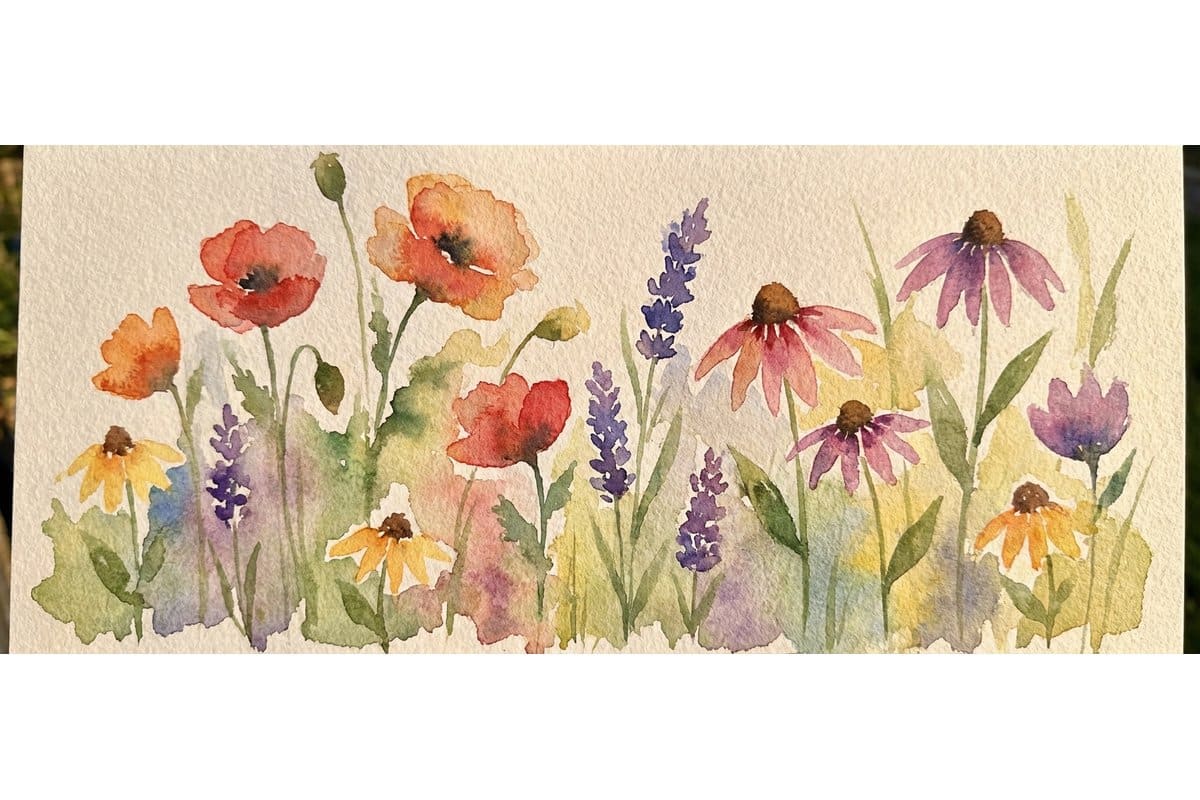
Flowers are a classic for a reason — simple petal shapes, bright happy colours, and no wrong way to do it. Start with green stems reaching up from the bottom of the page. Then add flowers at the top of each stem using dots, circles, or simple petal shapes.
Show your child a few different flower types: daisies (circle centre with lines around it), tulips (cup shape), and sunflowers (circle with petals). But honestly, imaginary flowers are just as wonderful. Let them invent new species. A purple flower with orange polka dots? Why not.
Add some grass at the bottom with quick green strokes and maybe a sun in the corner. This project works well as a group activity too — each child paints their own flowers, and you put the pages together to make one giant garden mural. If you want more floral watercolor inspiration, my watercolor ideas for beginners post has plenty of flower-focused projects.
Space and Planets Painting
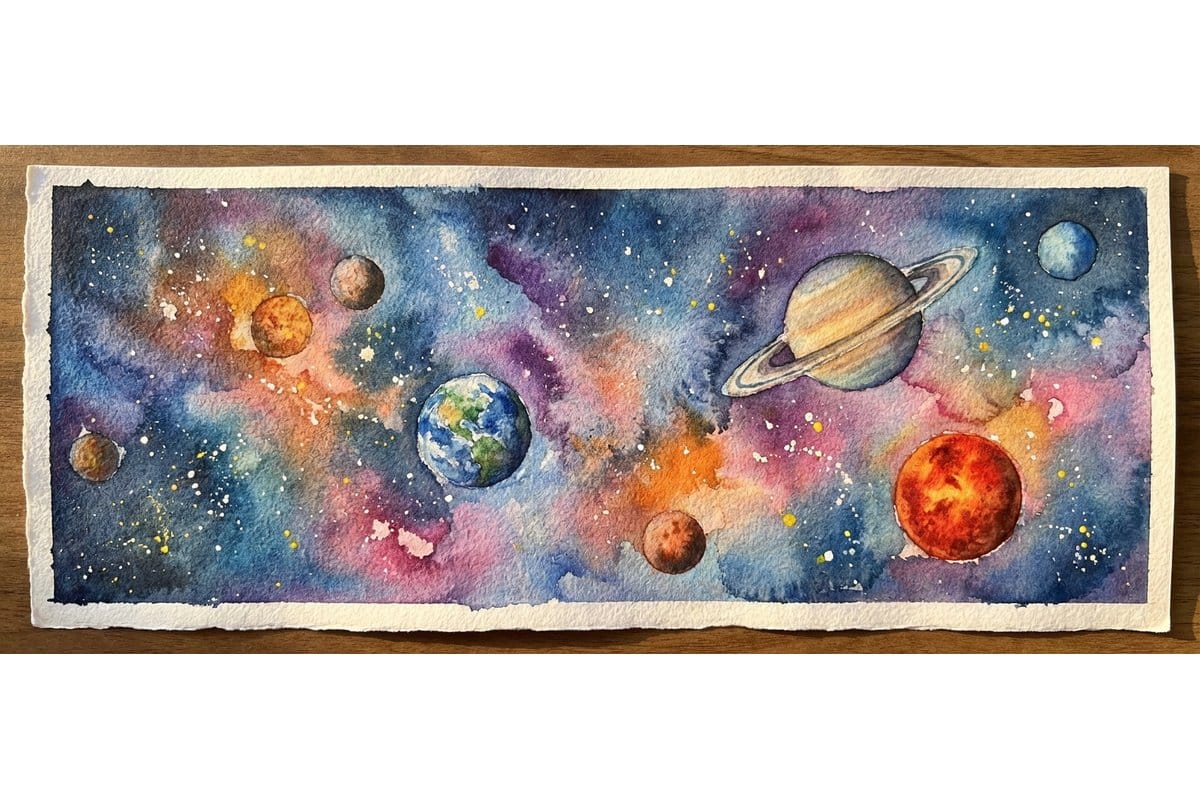
Space paintings look incredibly impressive and they’re actually one of the easiest watercolor projects for kids. Start by wetting the paper and dropping in dark blues, purples, and black. The colours swirl together and create a galaxy effect with zero effort.
While the background is still wet, sprinkle white paint or white gouache from a toothbrush for stars. Just dip the brush in white paint, hold it over the paper, and run your thumb across the bristles. Tiny splatters everywhere. Kids think this step is hilarious.
Once the background is dry, add circles for planets. Paint each one a different colour — a red Mars, a blue Neptune, a stripy Jupiter with orange and cream. Saturn gets a ring, obviously. This project is brilliant for kids who are into science because you can talk about the real planets while painting them. For more creative projects that combine learning and art, have a look at my abstract art for kids ideas.
Animal Faces (Cute and Simple)
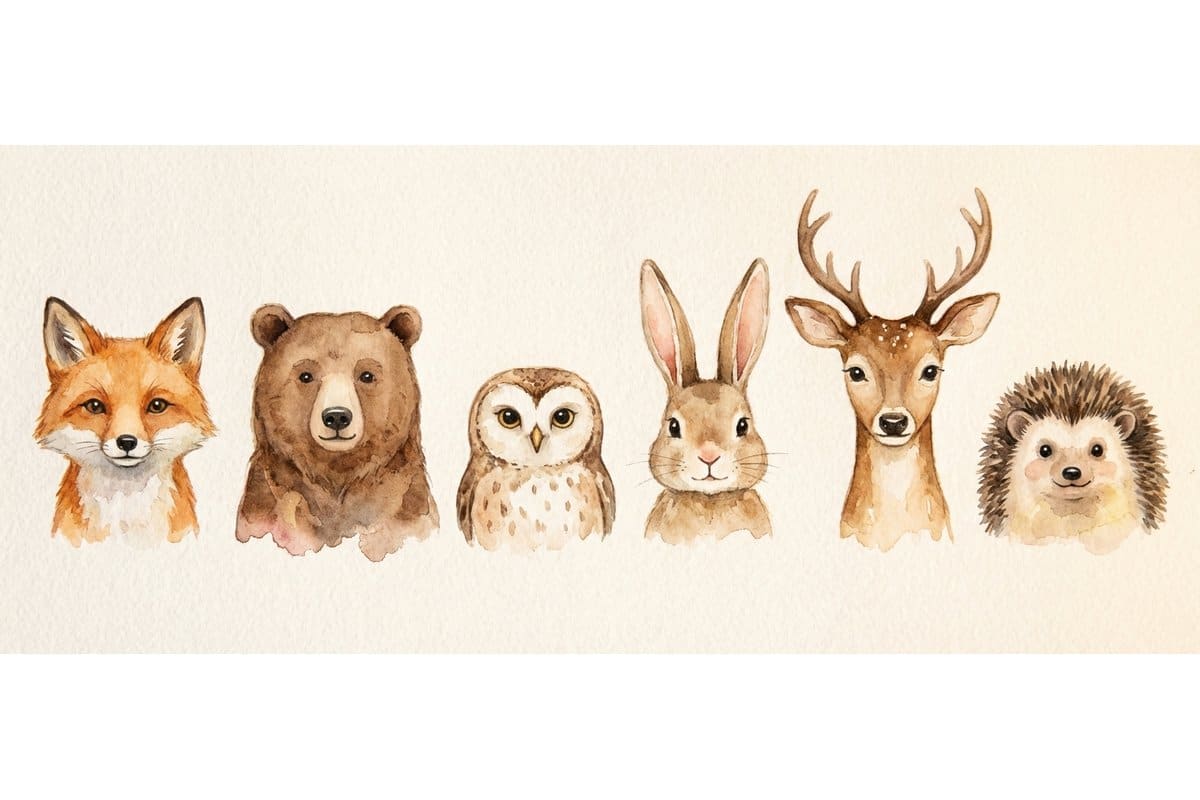
Most animal faces are just circles with ears, eyes, and a nose. A cat? Circle, two triangles, dots for eyes. A panda? Circle, two round ears, black patches. A bunny? Circle, two long ovals for ears. Kids can paint an entire zoo in one sitting.
Start by drawing light pencil circles as guides, then fill them with watercolor. Add details like whiskers, spots, or stripes once the base layer dries. The key is keeping the shapes simple and the expressions cute — big eyes and small mouths make everything adorable.
This is a wonderful project for kids who love animals (so basically all kids). Let them pick their favourites and create a collection. Frame them, stick them on the fridge, or turn them into homemade cards. If you want to pair this with drawing practice, my simple watercolor ideas for beginners post has step-by-step guides that work for kids too.
Setting Up a Kid-Friendly Watercolor Station
A good setup makes the difference between a fun afternoon and a stressful one. Cover the table with newspaper or a cheap plastic tablecloth — this is the single most important step. Put out two water cups (one for rinsing, one for clean water), a paper towel for blotting, and the paints.
Use thicker paper if you can. Regular printer paper buckles and tears when it gets wet. Even basic mixed-media paper from the craft shop handles watercolor much better. Cut it to a manageable size for small hands — A5 is perfect for younger kids, A4 for older ones.
Keep the colour palette limited for very young painters. Too many choices can overwhelm. Start with the primary colours (red, yellow, blue) and let them discover mixing on their own. They’ll figure out green and orange and purple by accident, and the excitement of making a new colour is half the joy. An old muffin tin makes a brilliant DIY palette for mixing.
Tips for Parents: Making Art Time Stress-Free
The number one tip? Let go of what the finished painting “should” look like. A child’s painting is not meant to look like a grown-up’s painting. It’s meant to look like joy on paper. The moment you start correcting or suggesting improvements, the fun drains right out.
Paint alongside your kids rather than watching them. When they see you making art too — and making “mistakes” — it gives them permission to experiment without fear. Plus, it’s genuinely relaxing for you. Win-win.
Set a time limit that makes sense for your child’s age. Under-fives have maybe 15-20 minutes of focus. Primary school kids can usually go 30-45 minutes. Don’t push past the point where it stops being fun. And have a plan for cleanup — wet wipes, an old towel, and a “finished paintings” drying spot go a long way toward keeping everyone calm.
Old shirts make the best smocks. Better than fancy aprons, better than those plastic things that never fit. Just grab a grown-up’s old button-down shirt and put it on backwards. Sorted.
Best Watercolor Supplies for Kids
You don’t need to spend a fortune, but having decent supplies makes a big difference to the experience. Cheap school paints barely have any pigment, which means your child works really hard and gets muddy, dull results. A step up doesn’t cost much and the colours are so much brighter.
Here are my top picks for kid-friendly watercolor supplies:


This post contains affiliate links, which means I may earn a small commission at no extra cost to you if you make a purchase. I only recommend products I genuinely love and use myself!
Free Colour Mixing Activity Sheet for Kids
This printable activity sheet teaches kids the basics of colour mixing in a hands-on, playful way. It includes a colour wheel to fill in, mixing challenges (what happens when you mix red and blue?), and space for them to create their own custom colours and name them. Kids love naming their own colours — “dragon green” and “sunset pink” are popular ones in our house.
- Colour wheel fill-in activity
- Primary and secondary colour mixing challenges
- “Name Your Own Colour” creative section
- Warm vs cool colours sorting activity
FAQ
What age can kids start watercolor painting?
Most kids can start with watercolors around age 3-4 with supervision. At that age, it’s really about exploring the paint and water rather than creating specific images. By age 5-6, they can follow simple projects like the ones in this post. Younger toddlers can enjoy watercolor too — just expect it to be more about sensory play than painting technique, and that’s perfectly fine.
What’s the best watercolor paint for kids?
Look for non-toxic, washable watercolor paints with good pigment. The Crayola Washable Watercolors are brilliant for everyday use because they genuinely wash out of everything. For slightly older kids who want brighter results, the Arteza Kids Watercolor Set has more vibrant pigments while still being completely safe. Avoid the cheapest pound-shop sets — they’re barely coloured water.
How do I stop watercolor paintings from buckling?
Thicker paper is the answer. Regular printer paper (80gsm) always buckles with watercolor. Mixed-media paper (at least 160gsm) or proper watercolor paper (200gsm+) handles the water without warping. You can also tape the edges of the paper to the table with masking tape before painting — this keeps it flat as it dries and gives clean edges.
Is watercolor painting messy for kids?
Compared to acrylics or tempera paint, watercolor is actually one of the least messy paint options. It’s water-based, dries quickly, and washes off most surfaces and clothes easily — especially if you choose washable formulas. A covered table, an old shirt as a smock, and a few paper towels are all you need for easy cleanup. It’s nowhere near as terrifying as glitter.
How can I display my child’s watercolor paintings?
Washi tape them to a wall for a rotating gallery. Frame your favourites (IKEA does cheap frames that fit standard paper sizes). String a line of twine across a wall and use mini pegs to clip them up. Photograph them and turn them into a photobook at the end of the year. Or scan them and use them as custom wrapping paper — that one always gets a big reaction from grandparents.
Final Thoughts
Watercolor painting with kids doesn’t need to be complicated or stressful. Keep the setup simple, choose projects that match their age and attention span, and resist the urge to take over their brush. The magic happens when kids feel free to experiment — mixing unexpected colours, making happy accidents, and discovering what paint can do all on its own.
Try one of these projects this week. Start with the rainbow wash if you’re not sure where to begin — it’s foolproof and every child I’ve ever done it with has grinned ear to ear. Once they get comfortable with the basics, they’ll start inventing their own projects. And that’s when it gets really fun.
Don’t forget to grab your free Kids Watercolor Project Cards and Colour Mixing Activity Sheet using the download links above. They’ll make your next art session so much easier to set up.
Find me on Pinterest for daily creative inspiration, and check out my YouTube channel for step-by-step art tutorials. Hit subscribe so you don’t miss the next one!
You Might Also Like
- Abstract Art for Kids: Fun and Easy Ideas
- Watercolor Painting Ideas for Beginners
- Simple Watercolor Ideas for Beginners
- Easy Watercolor Tutorials
- Cute Drawings for Kids
Pin This for Later!
Happy creating!
If these project cards made art time easier, there’s plenty more where they came from. My Patreon members get new watercolour templates and premium reference sets with colour-recipe cards each month — premium sets from £14 (~$18).
Join me on Patreon →