Last Updated on October 13, 2026 by Dee
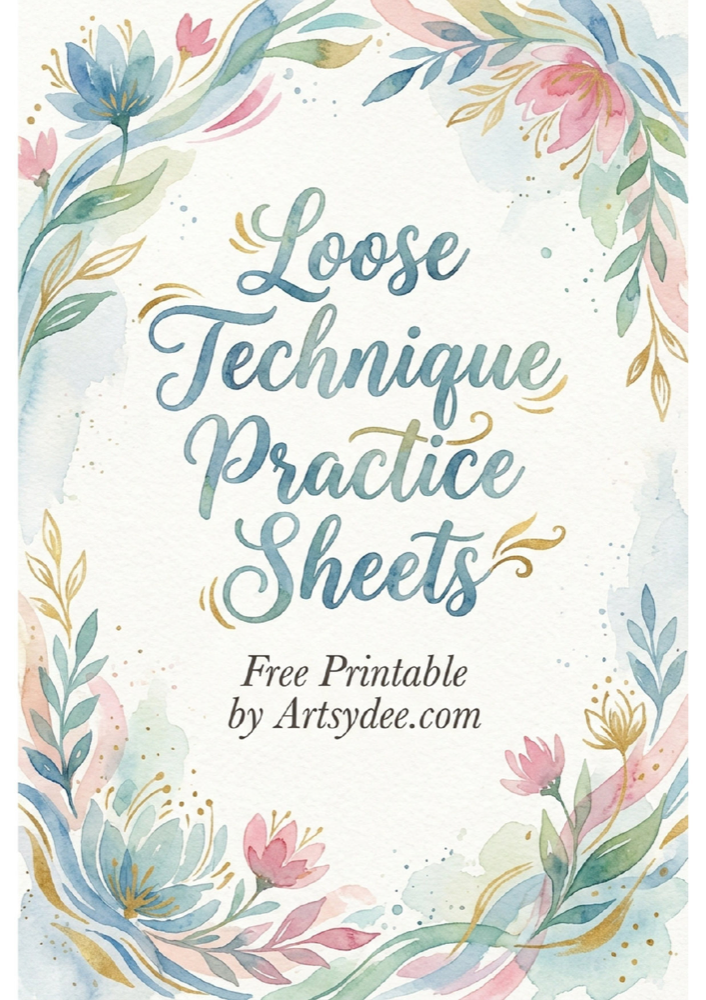
Try these 25+ stunning watercolor flower paintings, easy beginner ideas, and grab two free printables first: Loose Technique Practice Sheets and Abstract Watercolor Prompt Cards.
There’s something about painting flowers in watercolour that just feels right. Maybe it’s the way the pigment bleeds softly into wet paper, creating those dreamy edges you couldn’t plan if you tried. Or maybe it’s that flowers forgive you — loose petals, happy accidents, a colour that spreads a little further than expected. All of it just works.
Here are 25+ watercolour flower painting ideas, plus 2 free Loose Watercolor printables to warm up your brushwork first.
Whether you’ve been painting for years or you’ve just cracked open your first watercolour set, flowers are genuinely the best subject to practise with. They’re endlessly varied, wildly forgiving, and there’s no “wrong” way a rose is supposed to look when it’s painted with water and pigment.
I’ve also got 2 free Loose Watercolor printables for you: practice sheets to loosen up your brushwork before you paint your flowers. They’re in the sign-up box above, so pop your email in and I’ll send them straight to your inbox.
🎬 Love video tutorials? Subscribe to my YouTube channel for weekly watercolour tutorials and art inspiration!
Table of Contents
Free Loose Watercolour Printables
Want to loosen up before you paint? My 2 free Loose Watercolor printables are in the sign-up box at the top of this post: pop your email in and I’ll send them straight to your inbox.
Painted a few of these flowers? My Patreon members get a brand new premium watercolour set every month.
See the flower sets →Want 400+ Creative Resources?
If you love these free printables, you’d really enjoy the Artsydee Creations Club. Every week I add new resources — watercolour templates, Procreate brushes, junk journal kits, coloring pages, and more. Plus you get instant access to a vault of 400+ creative resources the moment you join.
It’s just £8/month (or save with the annual plan) and it’s the best way to keep your creative practice stocked with fresh inspiration. Check out the Creations Club here →

25+ Watercolour Flower Painting Ideas
Watercolour flower paintings cover a huge range of styles — from tight botanical illustrations to the loosest, most free-flowing florals imaginable. The ideas below range from classic to modern, simple to slightly more adventurous. Pick one that calls to you and just begin.
Quick Answer: The best watercolour flowers for beginners are roses, poppies, and simple wildflowers — they’re forgiving, naturally loose in form, and look beautiful even when imperfect.
Roses
1. Loose watercolour rose — Start with a spiral of soft pink, let it bloom outward with wet-on-wet layers. No tight outlines. Just colour and water.
2. Single stem rose — One rose, one stem, two or three leaves. Simple compositions often hit harder than busy ones.
3. Rose bouquet in a jar — A handful of garden roses tumbling out of a simple glass jar. Vary the petal colours from blush to deep crimson for depth.
4. Wild rose study — The five-petalled dog rose is much easier to paint than a formal tea rose. Try it in pale pink with yellow centre stamens.
Poppies
5. Scarlet field poppies — The most satisfying flower to paint in watercolour. Wet the petal area, drop in cadmium red, and watch it go. That natural bleed IS the painting.
6. California poppy in orange — A gentler, cup-shaped poppy with warm saffron and tangerine tones. Lovely for a summer-feel painting.
7. Poppy seed heads — Don’t forget the sculptural beauty of the seed pod after the petals fall. Sage green with a dusty blue bloom — striking and unexpected.
8. Poppy field landscape — A simple horizon line, soft green field, and loose red poppy shapes dotted through. More suggestion than detail. Works beautifully.
Sunflowers
9. Single sunflower head — Those long golden petals radiating from a rich brown centre. Use a wet brush to soften the edges of each petal for a painterly feel.
10. Sunflower close-up — Fill your whole page with just one sunflower, cropped close so petals fall off the edges. Dramatic and modern.
11. Sunflower and bees — Add a tiny bee or two hovering near the centre for a whimsical touch. Children absolutely love painting these.
Lavender
12. Lavender sprig — A single stem of lavender is deceptively simple — just a thin green stem and tiny clusters of purple. Practise painting small shapes wet on dry.
13. Lavender field — Rows of purple and sage receding into the distance. This is a great exercise in atmospheric perspective using watercolour washes.
14. Lavender in a terracotta pot — A bushy lavender plant spilling out of a rustic pot. Earthy terracotta and cool purple — a gorgeous colour pairing.

Wildflowers
15. Mixed wildflower bunch — The beauty of wildflowers is their looseness. Cornflowers, daisies, foxglove, cow parsley — gather a mental reference image and just play.
16. Daisy chain study — Those simple white petals around a yellow centre are a brilliant beginner exercise. Try negative painting — paint around the petals rather than over them.
17. Cornflower blue — Ultramarine blue or cerulean works beautifully here. The ruffled petals of a cornflower feel free and sketchy — lean into that.
18. Foxglove tower — A tall spike of speckled bell-shaped blooms. Work from the top down, varying pink from pale blush to deep magenta.
Cherry Blossom and Delicate Blossoms
19. Cherry blossom branch — A few delicate pink blooms on a bare branch against a pale sky wash. Classic, elegant, and genuinely achievable for beginners. Use your fingertip or a sponge to stamp the tiny blossoms.
20. Apple blossom spray — Similar to cherry blossom but with more leaves and a slightly warmer pink. Beautiful in spring-themed paintings.
21. Magnolia — Those large, waxy petals in cream and blush are showstoppers. Paint them individually with space between each, then add the deep wine-coloured base.
Dahlias, Tulips and Garden Flowers
22. Dahlia in deep plum — All those layers of petals — perfect for building up depth with glazing (adding transparent washes over dried layers). Start light and add dark tones last.
23. Parrot tulip — The ruffled, feathered edges of parrot tulips are perfectly suited to loose watercolour. Try coral, magenta, or deep red streaked with green.
24. Peony in bloom — Full, lush, and romantic. Work from the outer petals inward, keeping the centre loose and light. I love using Winsor & Newton Cotman watercolours for peonies — the Opera Rose is stunning.
25. Sweet peas — Delicate, butterfly-shaped blooms in lilac, pink and white. They’re simpler than they look and have an instantly romantic quality.
26. Hydrangea cluster — A single hydrangea bloom is actually made up of dozens of small four-petalled flowers. Dab them in loosely with a round brush and vary the blue, purple and soft green tones.
27. Wisteria drape — Trailing clusters of purple and lilac draping downward. Paint the clusters wet-on-wet and add the tendrils with a fine brush once dry.
Beginner Techniques for Painting Flowers in Watercolour
Quick Answer: The three core techniques for painting watercolour flowers are wet-on-wet (for soft blooms), wet-on-dry (for crisp edges), and negative painting (for creating shapes with white space).
Wet-on-Wet
Wet-on-wet means wetting the paper first, then dropping paint into the damp area. The pigment spreads and blooms in unpredictable, gorgeous ways. This is the technique behind those dreamy soft-edged rose petals and blurred backgrounds you see everywhere.
To practise: wet a petal-shaped area with clean water, then touch your loaded brush to the edge of the wet area. Watch the colour travel. Add a second darker tone while still wet for natural shading.
Wet-on-Dry
Wet-on-dry is painting onto dry paper — you get crisp, controlled edges. Great for adding detail, painting individual petals with clean lines, or building up glazed layers once earlier washes have dried completely.
Most flower paintings use a combination. Wet-on-wet for the main wash, wet-on-dry for the details once that first layer is dry. A good round watercolour brush that holds a fine tip makes this technique much easier.
Loose Painting Style
Loose style is about suggestion rather than precision. You’re not painting every petal exactly — you’re capturing the feeling of a flower. Work quickly, trust the water, and resist the urge to fiddle once you’ve put down a mark.
The loose style approach: sketch the basic flower shape lightly in pencil, wet the petals, drop in colour, add depth at the edges, and stop before you think you’re done. Over-working is the biggest beginner mistake in watercolour.
Negative Painting
Instead of painting the flower, you paint the background around it — leaving the white paper to define the petals. This works beautifully for white flowers like daisies and magnolias. It takes a bit of a mindset shift, but once it clicks, you’ll use it all the time.

Tips for Painting Beautiful Flowers in Watercolour
These are the things I wish someone had told me when I started painting flowers. Some are practical, some are more of a mindset shift — all of them genuinely help.
- Work from light to dark. Watercolour is transparent, so you can’t paint light over dark. Start with your palest tones and build up. This applies to every petal, every leaf, every wash.
- Leave white paper for highlights. The brightest highlights in watercolour are the paper itself. Plan where you want them before you start painting — you can’t add them back once they’re covered.
- Use enough water. The most common beginner mistake is paint that’s too thick. Your brush should flow with colour, not scrub. More water = more luminosity.
- Let layers dry completely. I know it’s hard to wait. But painting wet-on-wet when you want wet-on-dry creates muddy, fuzzy edges that are impossible to fix. A hairdryer on low heat is your best friend.
- Vary your colours within petals. Real flowers aren’t one flat colour. Drop two or three tones into each petal — lighter at the top, deeper at the base — for instant depth.
- Don’t overwork it. Put a mark down, then resist touching it. Watercolour rewards confidence and punishes fussing.
- Reference real flowers. Photos work, but looking at an actual flower in a vase next to your painting — nothing beats it. The light hitting a petal, the way leaves curl — it’s all there.
What Supplies Do You Need?
You don’t need much to get started painting flowers in watercolour. A small set of quality paints, a decent brush or two, and proper watercolour paper will take you much further than a huge collection of average supplies.
For paper, cold press (not hot press) is what most beginners prefer — it has a slight texture that holds pigment beautifully without being too rough. I use a Canson XL Watercolour sketchbook for practice and it handles wet-on-wet really well without warping too badly.
For palette mixing, a ceramic palette with deep wells makes a real difference. My MEEDEN ceramic palette has been on my desk for years — the wells are deep enough to hold proper puddles of colour, which matters more than you’d think.

|

|

|

|
This post contains affiliate links, which means I may earn a small commission at no extra cost to you if you make a purchase. I only recommend products I genuinely love and use myself!
Looking for more watercolour resources? Browse my full watercolour template collection on Payhip — ready-to-print guides, templates and more.
Bonus Tip: Warm Up Loosely
Fill a page with quick, loose flowers before you start a finished piece: it warms up your hand and takes the pressure off. The free Loose Watercolor printables at the top of this post are made for exactly that.
Frequently Asked Questions
What are the easiest flowers to paint in watercolour?
The easiest watercolour flowers for beginners are poppies, simple roses, and daisies. Poppies in particular are brilliant because the wet-on-wet technique does most of the work for you — the pigment spreads and blooms naturally. Wild roses (five petals) are also much simpler than formal tea roses. Daisies work well as an exercise in negative painting.
How do I paint soft, blurry flower petals in watercolour?
Soft blurry edges come from the wet-on-wet technique. Wet the petal area with clean water first, then drop your paint colour into the wet area. The pigment will bleed softly across the damp paper. The more water on the paper, the softer the effect. Work quickly and don’t go back in with your brush once the colour is placed.
What watercolour colours do I need for painting flowers?
You can paint beautiful flowers with a surprisingly small palette. The most useful colours for floral painting are: a warm red (like Cadmium Red or Pyrrol Scarlet), a cool pink (Quinacridone Rose or Opera Rose), a yellow (Lemon Yellow or Cadmium Yellow), a warm and cool blue (Ultramarine and Cerulean), and a yellow-green (Sap Green). These mix to create virtually every flower colour you’ll need.
How long does a watercolour flower painting take?
A simple loose flower study — one flower, basic composition — takes 15 to 30 minutes including drying time between layers. A more detailed piece with multiple flowers and background work might take 1 to 2 hours. Watercolour rewards quick, confident painting rather than slow, careful work, so many lovely small studies can be finished in under half an hour.
Do I need to sketch flowers first before painting in watercolour?
It depends on the style you’re going for. A light pencil sketch helps with placement and proportion, especially when you’re learning. Keep it very light (2H pencil is ideal) so the lines don’t show through the paint. If you’re going for a loose, expressive style, many artists skip the sketch entirely and paint directly — this builds confidence and keeps the painting fresh.
Final Thoughts
Watercolour flower paintings are one of those things where the more you let go, the better they get. The medium wants to be loose. The flowers want to be imperfect. And honestly? The paintings that feel most alive are nearly always the ones where something unexpected happened and you rolled with it.
Start with one flower. Paint it ten times — small, quick studies on scraps of paper. Watch what changes. Something genuinely shifts around painting number nine.
Want to see these techniques in action? Head over to my YouTube channel where I share step-by-step watercolour tutorials every week. Hit subscribe so you don’t miss the next one!
Find a whole library of watercolour inspiration over on Pinterest — and come and share your flower paintings there too!
You Might Also Like
- Loose Watercolour Flowers — Techniques and Ideas
- Watercolour Painting Ideas for Beginners
- Easy Watercolour Sketchbook Ideas
- Simple Watercolour Ideas for Beginners
- Free Watercolour Sketchbook Templates
Pin this for later!
Where to buy the full paid set
Enjoying these free resources? When you’re ready to keep going, my A Wildflower Meadow Watercolour Templates gives you 20 ready-to-paint watercolour outlines in the same paint-inside-the-lines style — just more of them, and all in one tidy download. It’s £8 over on Payhip. It’s on Etsy too, priced the same. Or browse the whole watercolour template collection and pick your favourites. Everything is made and tested by me — a real art teacher.
Roses, poppies and cherry blossom are lovely subjects to practise, and far easier when someone hands you the colours. My premium watercolour reference sets on Patreon come with colour-recipe cards for every bloom, so you’re never guessing at a petal mix.
Browse the reference sets →