Last Updated on October 8, 2026 by Dee
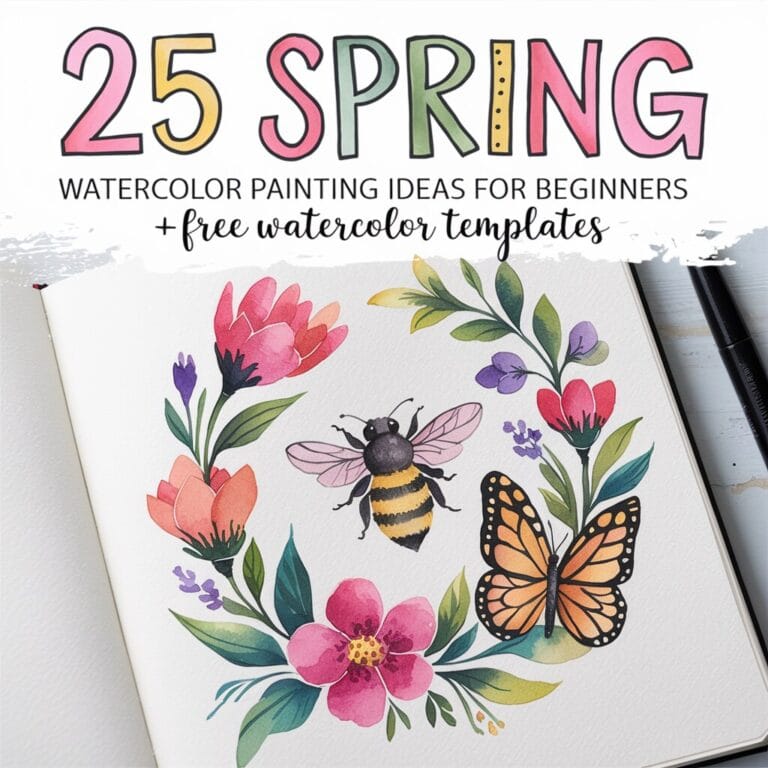
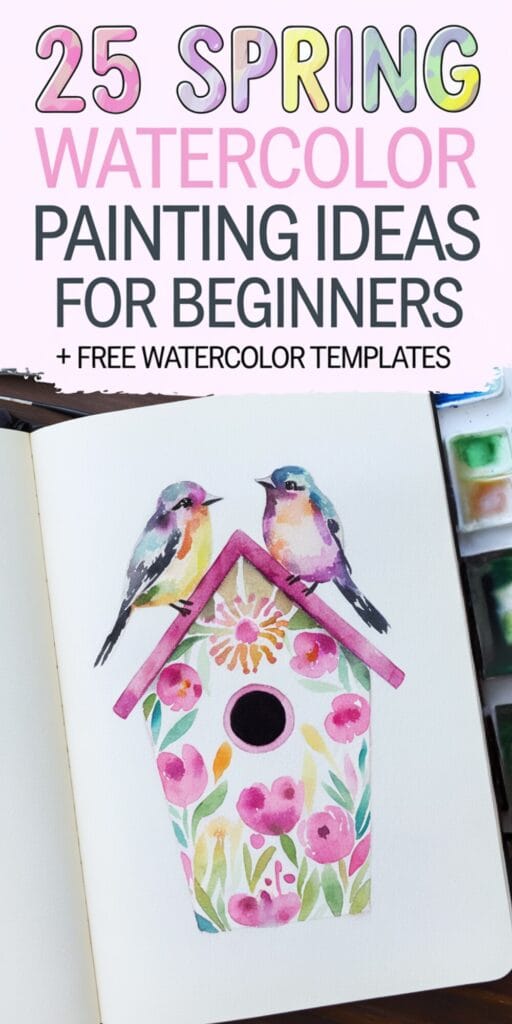
Here are 25 spring watercolor ideas for beginners, plus free Spring Watercolor Templates to print and trace.
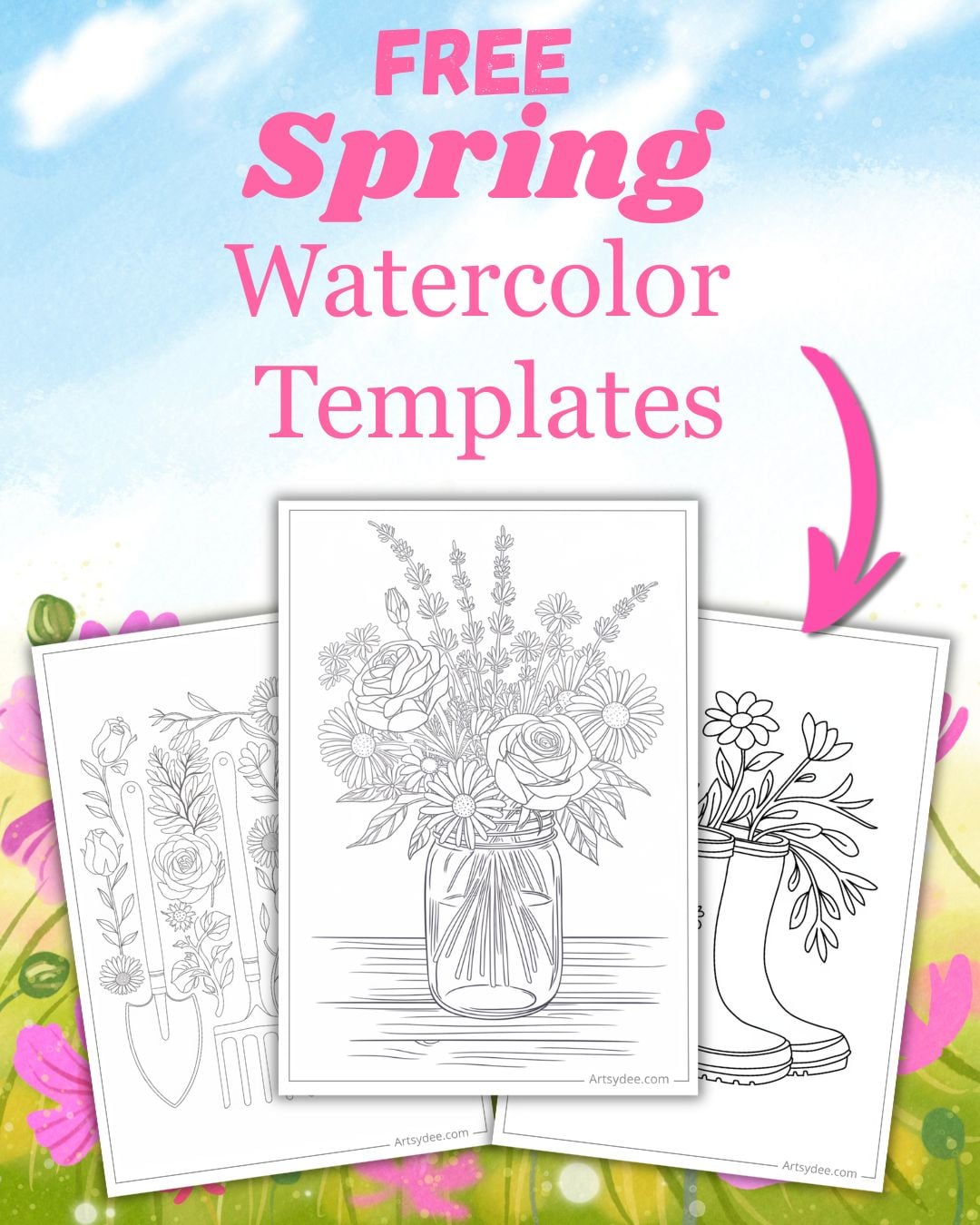
Free Spring Watercolor Templates
These 25 spring watercolor templates are perfect if you want a little guidance while you paint. Print them out, trace them onto watercolor paper using a lightbox or a sunny window, and you’ve got a head start on some gorgeous spring artwork.
There’s something about spring that makes you want to pick up a paintbrush. The fresh greens, the soft pinks, all those little blooming things popping up everywhere — it’s basically nature handing you a colour palette and saying “go for it.” If you’re new to watercolor or just looking for fresh spring watercolor ideas for beginners, you’re in exactly the right place.
I’ve rounded up 25 spring watercolor ideas for beginners that are simple enough to try today, whether you’ve been painting for years or you just picked up your first brush set last week. From daffodils and butterflies to dreamy meadow scenes and abstract washes, there’s something here for every mood and skill level.
And because I want to make this as easy as possible for you, I’ve put together a free printable pack to go with this post. Grab your free Spring Watercolor Templates at the top of this post!
Table of Contents
Loving these spring paintings? My premium reference sets on Patreon come with colour-recipe cards for those fresh greens and soft petal pinks.
See the reference sets →What You’ll Need: Watercolor Painting Supplies
Here’s my go-to list of watercolor supplies that I recommend for all of these spring painting ideas. You don’t need to buy everything on the list — a basic set of paints, some decent paper, and a couple of brushes will get you started. But if you want to stock up, these are the supplies I reach for again and again.

|

|

|

|
This post contains affiliate links, which means I may earn a small commission at no extra cost to you if you make a purchase. I only recommend products I genuinely love and use myself!
25 Spring Watercolor Painting Ideas For Beginners
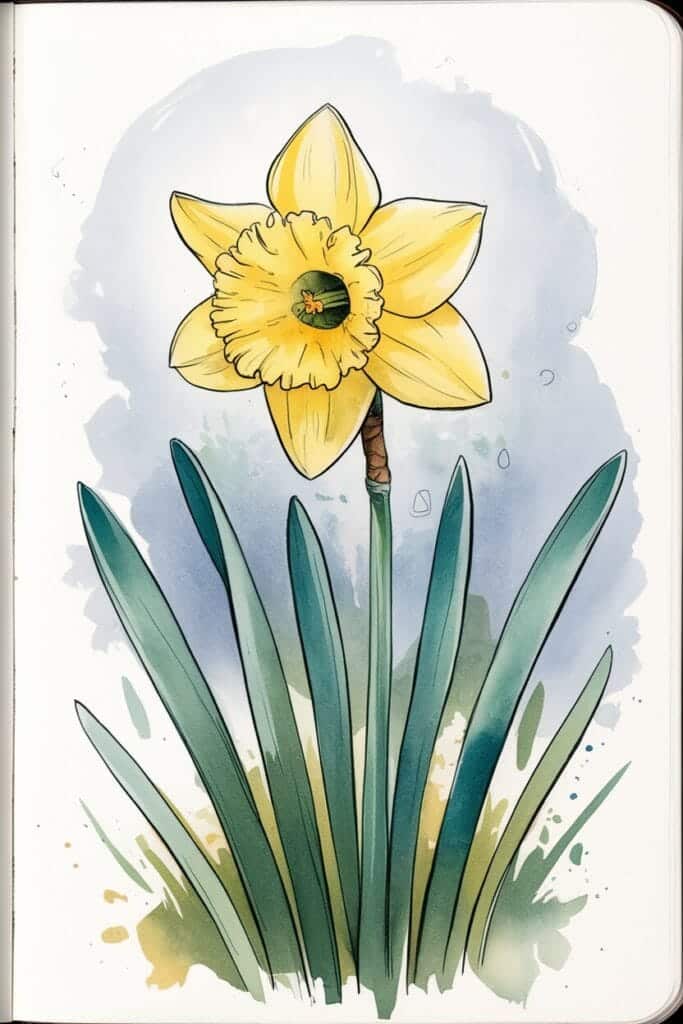
1. Daffodils
Nothing says spring like a bright yellow daffodil! Use a wet-on-wet technique to create soft petals and vibrant green stems. For more floral inspiration, check out easy watercolor flowers.
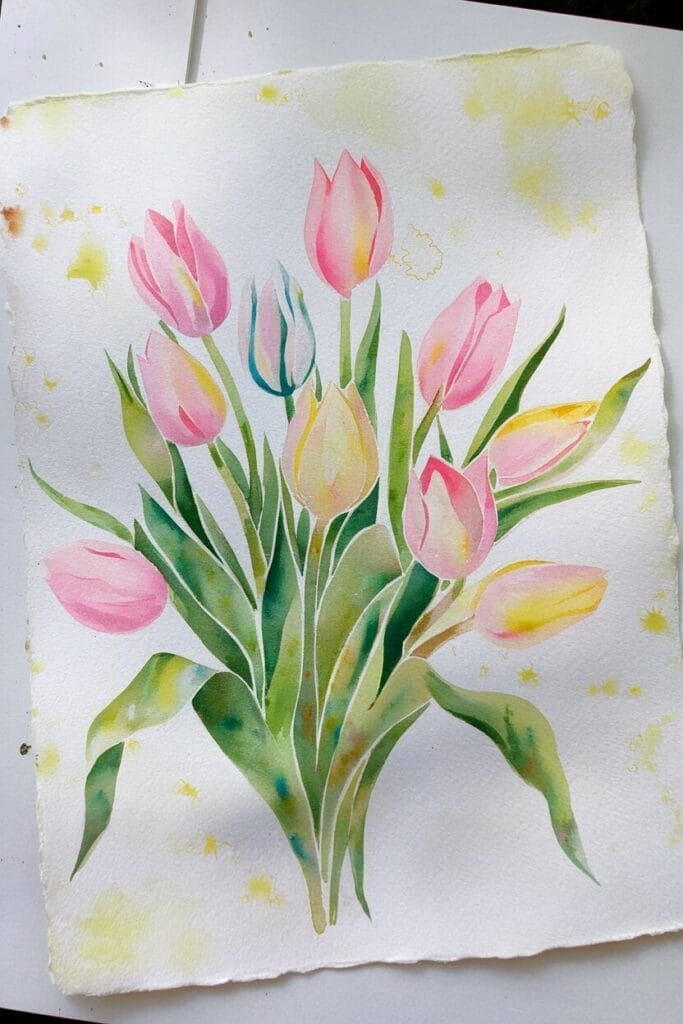
2. Tulips
Play with pastel shades of pink, purple, and yellow to create tulip blossoms. Need guidance? Try this step-by-step watercolor tulip guide.
3. Cherry Blossoms
Using a fine-tip brush, paint delicate clusters of pink blossoms on tree branches. For additional floral ideas, explore these free daisy templates.

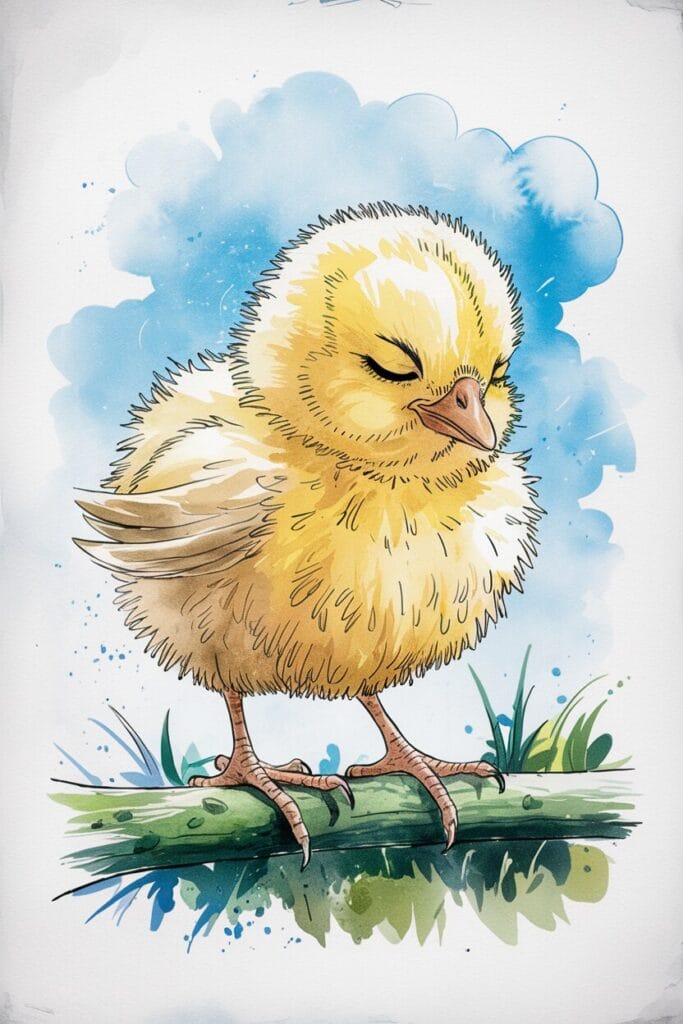
4. Baby Chicks
Adorable and fluffy, baby chicks are perfect for beginners. Use light washes of yellow and a round brush to add details for feathers and tiny beaks.
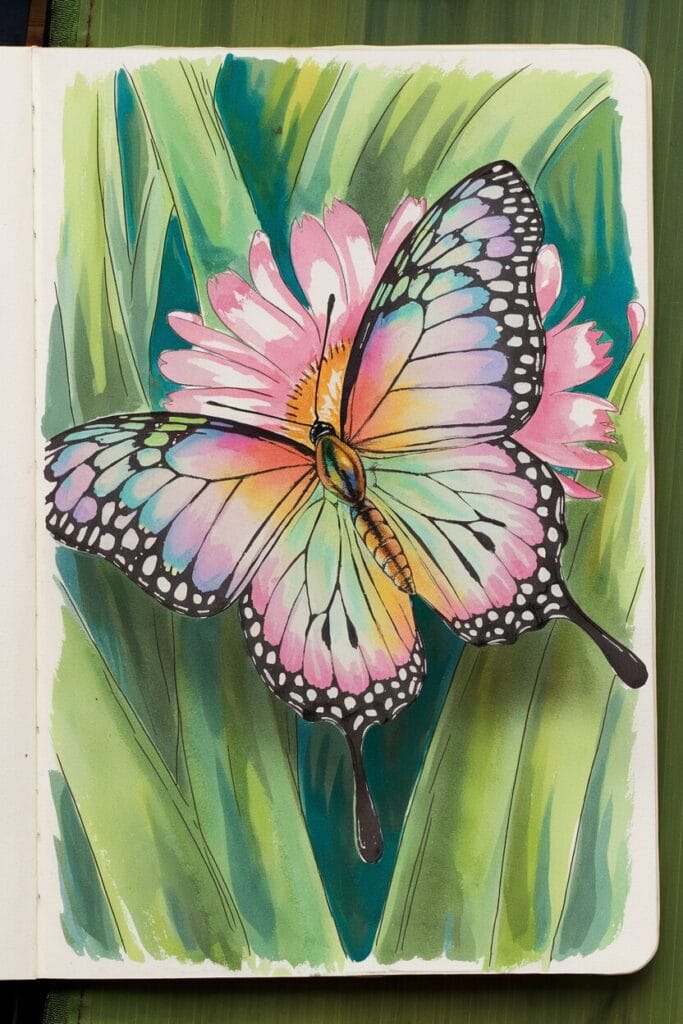
5. Butterflies
Choose soft pastel colors or vibrant hues to paint the wings of springtime butterflies. Add fine black outlines for definition, or download butterfly coloring templates to get started.
6. Ladybugs on Leaves
A simple leaf design paired with a bright red ladybug is a beginner-friendly project that pops with color. Use this as inspiration for nature-based drawing ideas.

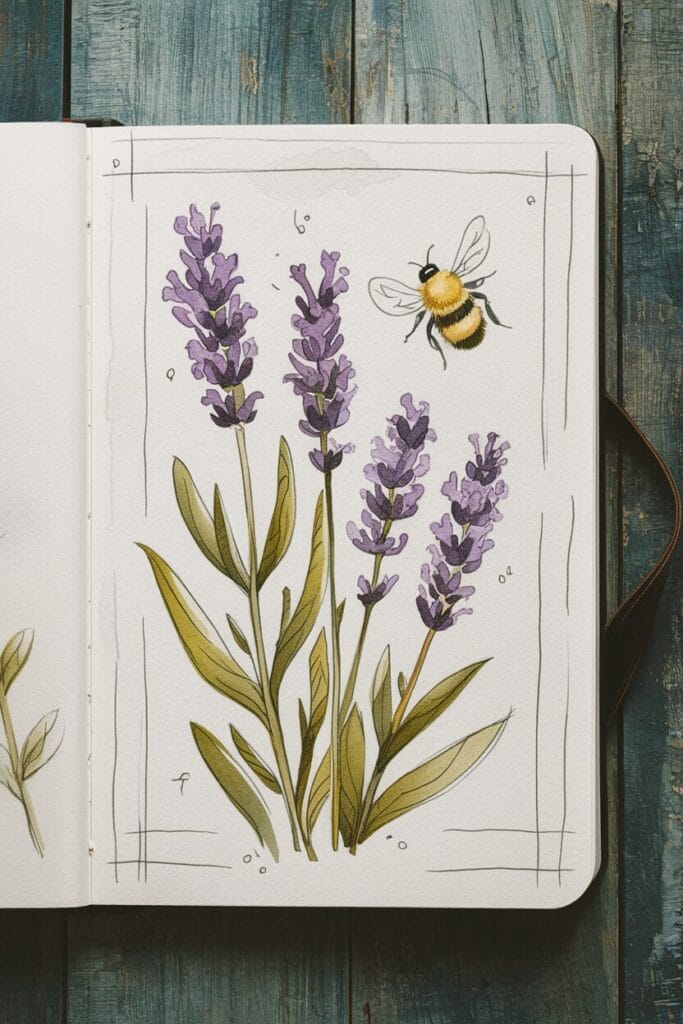
7. Bees and Lavender
Combine lavender sprigs with bumblebees to create a charming spring-themed composition. Use tiny strokes for the lavender flowers and soft yellow tones for the bees. Check out bee-themed watercolor ideas.
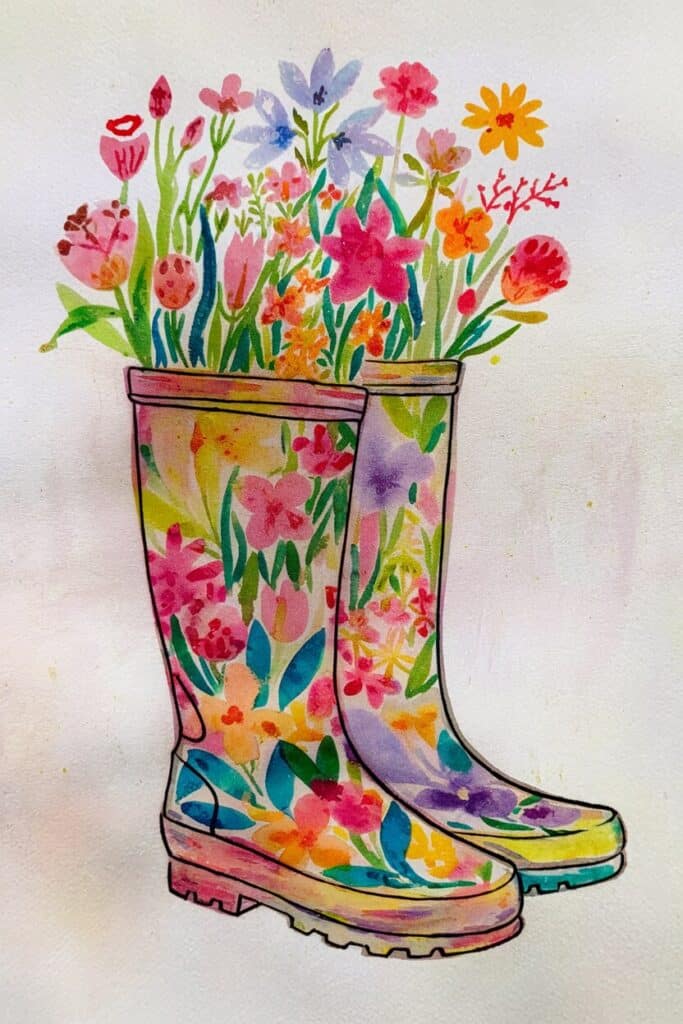
8. Rain Boots with Flowers
Paint a whimsical pair of rain boots filled with fresh blooms. Play with vibrant colors for the flowers and a soft blue wash for the background. Explore other springtime scenes in spring drawing ideas.
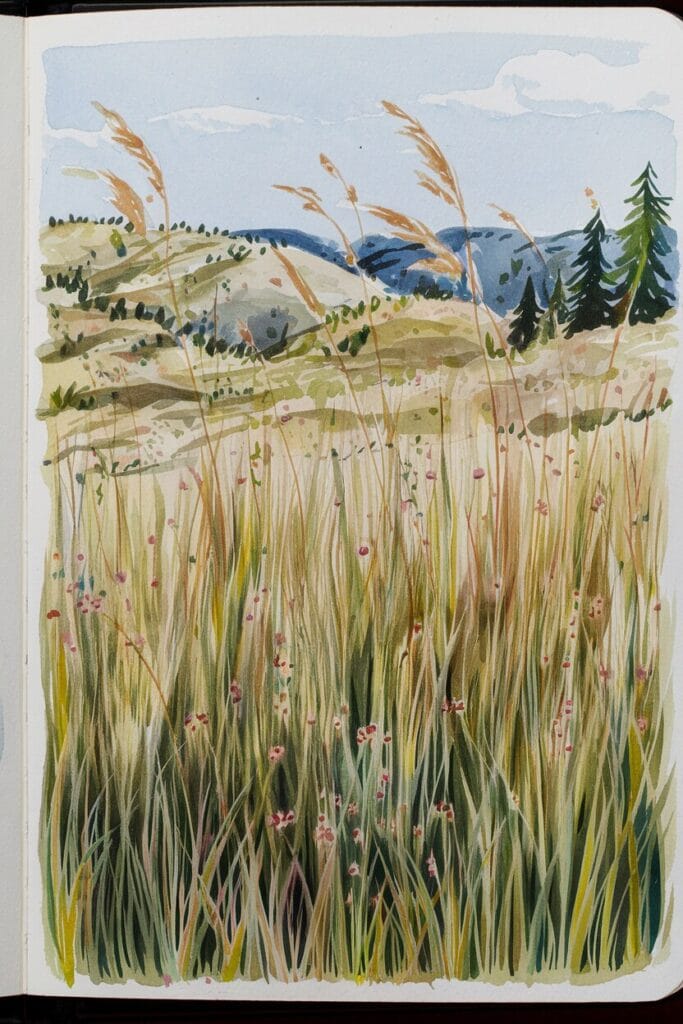
9. Meadow Scene
Create a simple meadow with tall grasses, wildflowers, and a soft sky. Use a flat brush for smooth transitions in the sky. These free sunflower printables are a great way to practice.
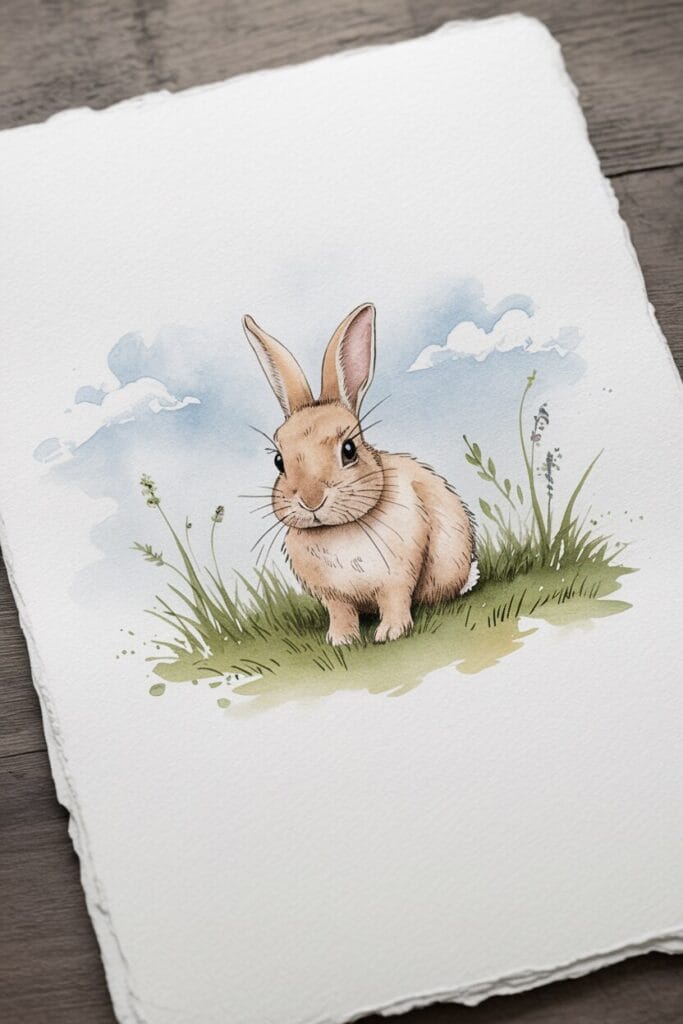
10. Bunny Rabbits
Bunnies are a classic springtime subject. Use light washes of brown or gray for their fur and a fine brush for delicate details like whiskers. For help drawing animals, refer to cute animal drawing templates.
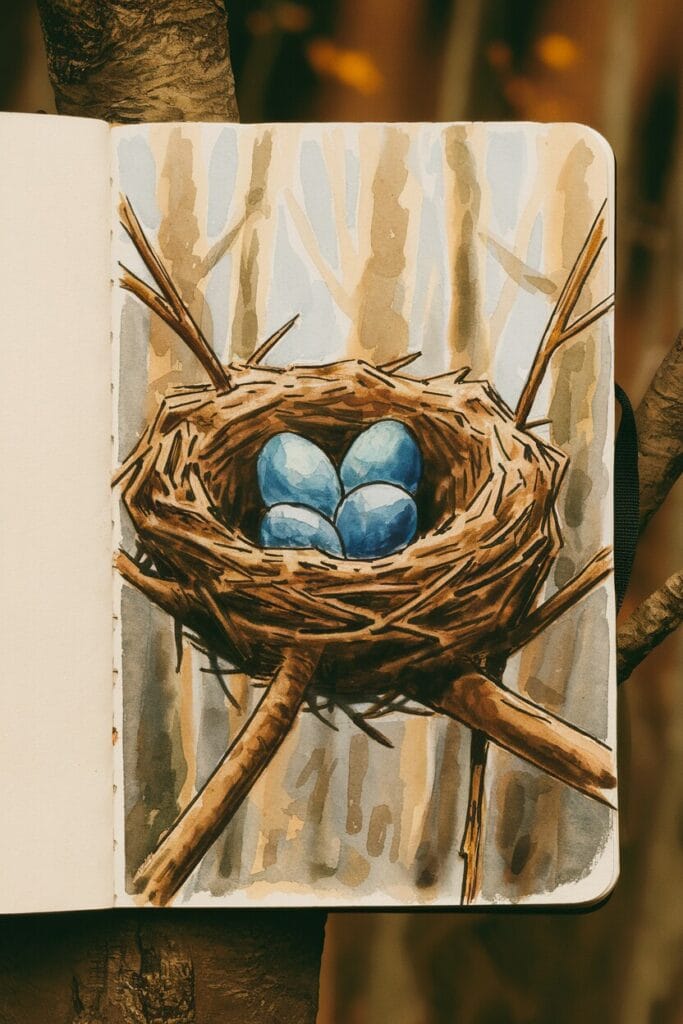
11. Bird Nests
Paint a nest filled with speckled eggs using earthy browns and soft blues. Focus on layering strokes to build texture.
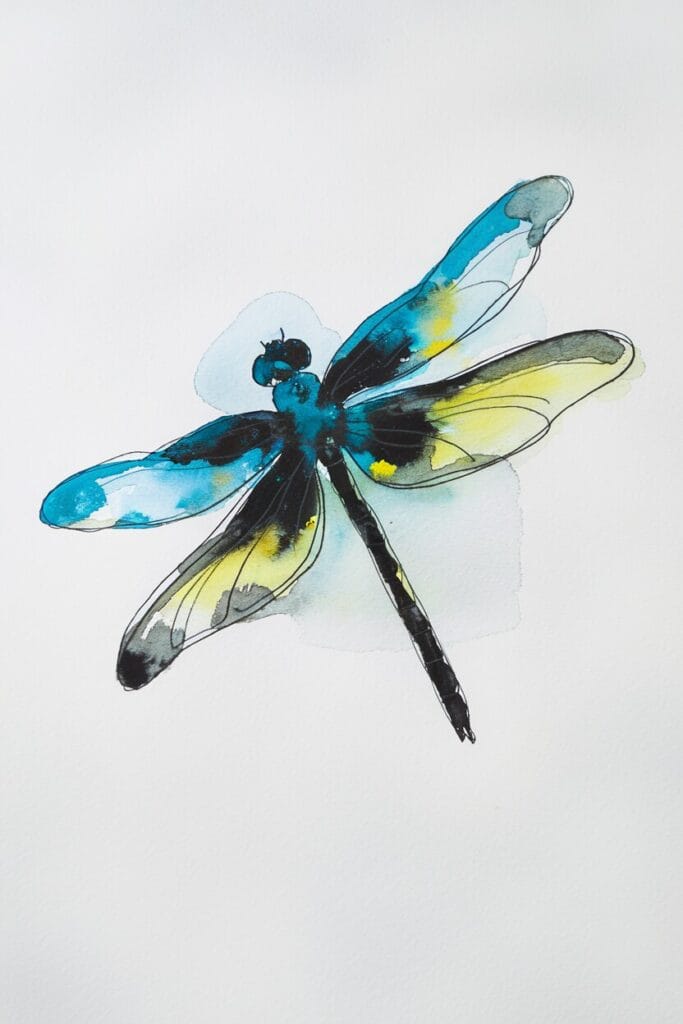
12. Dragonflies
For dragonflies, use metallic watercolors or soft pastel shades to bring out the shimmer of their wings.
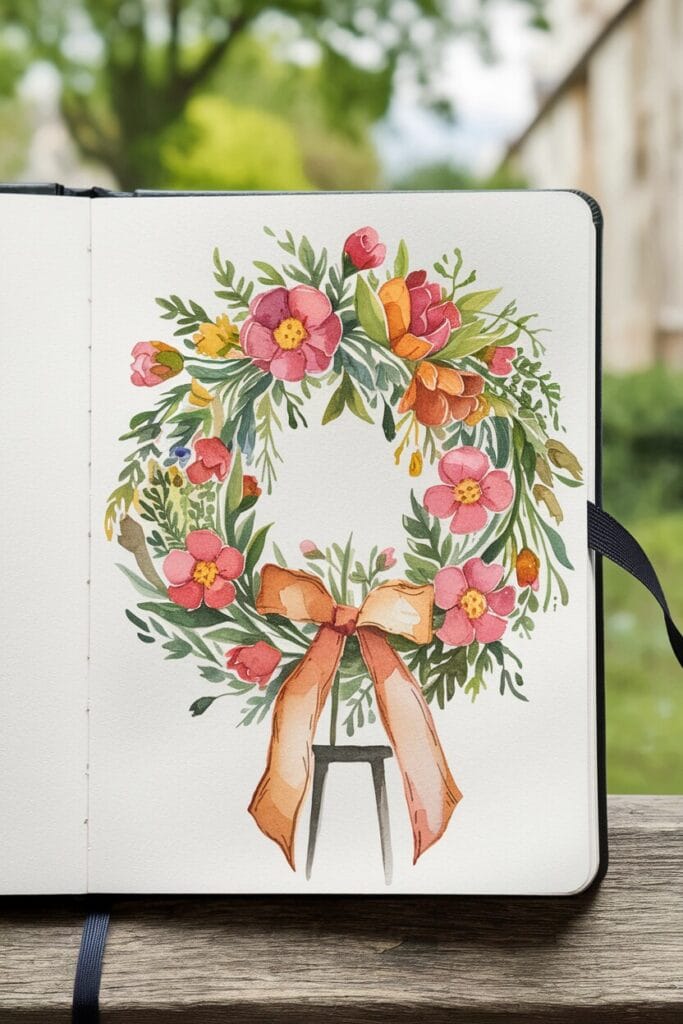
13. Spring Wreaths
Design a circular wreath of florals, leaves, and berries in soft spring hues. Use a mix of light greens and pops of color.
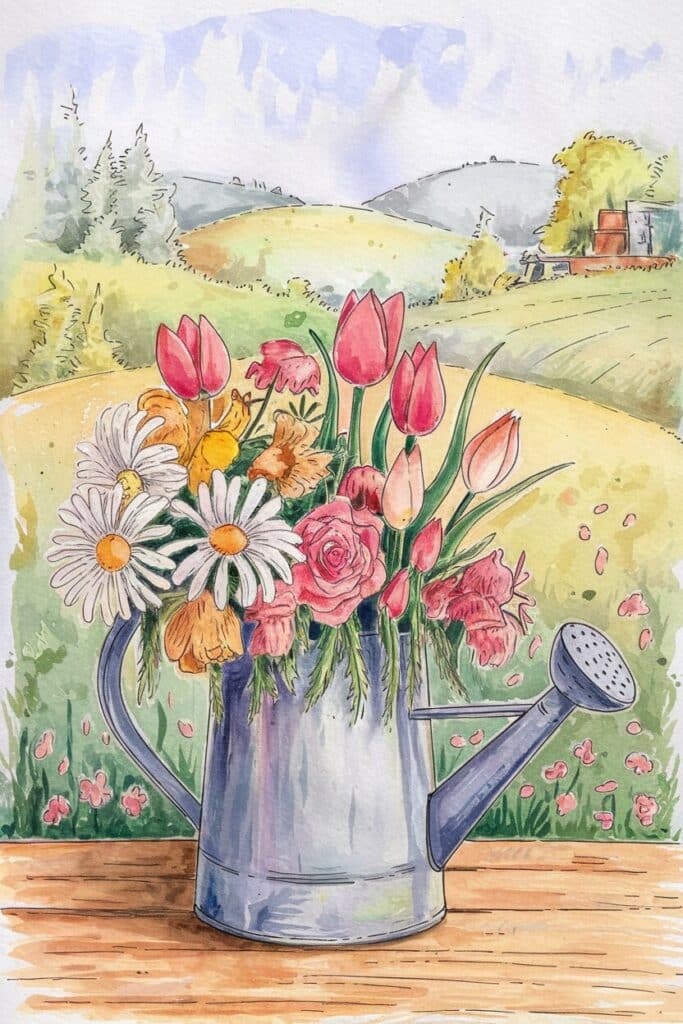
14. Watering Cans with Flowers
Combine a rustic watering can with a burst of colorful flowers. Add subtle highlights for a metallic effect on the watering can.
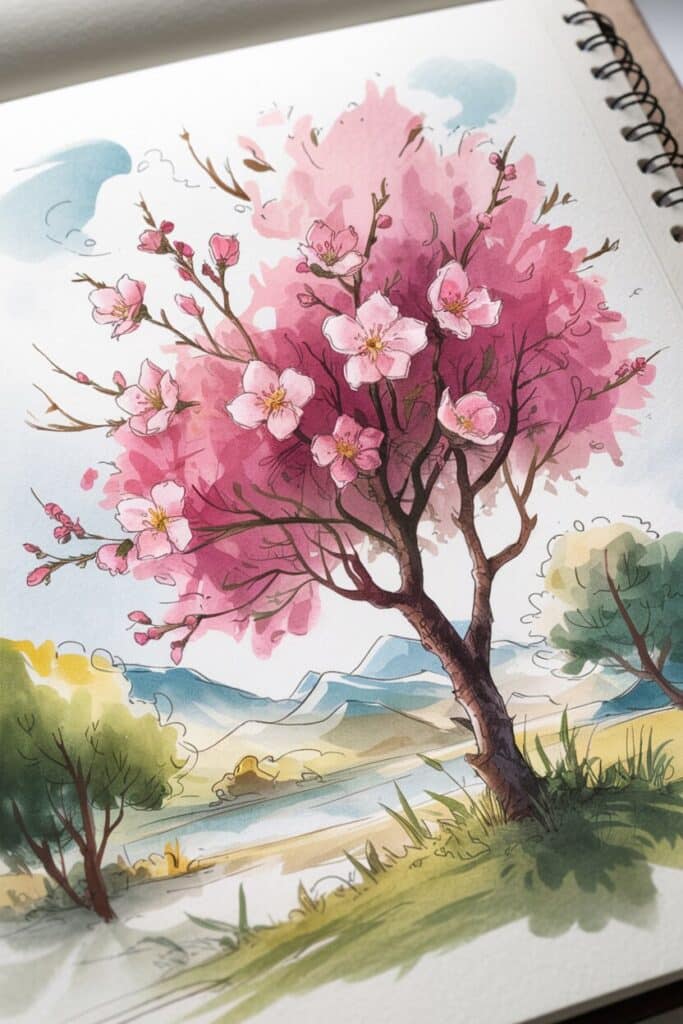
15. Blossoming Trees
Experiment with painting the soft, cloud-like shapes of blossoming trees. Use a mix of pinks and whites to create depth.
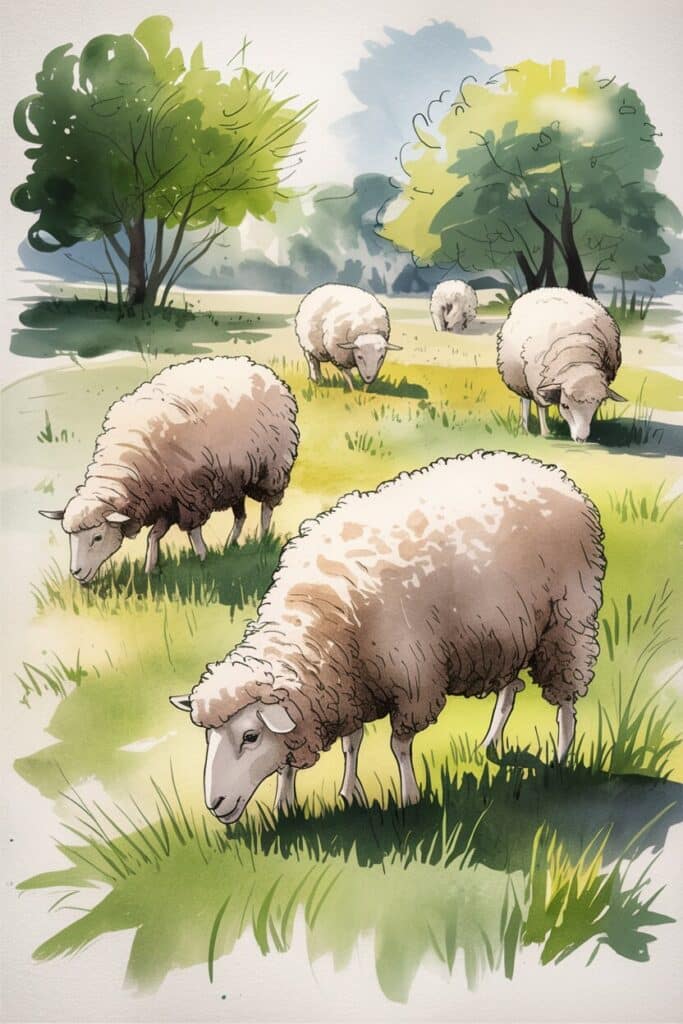
16. Sheep in a Meadow
Paint fluffy sheep grazing in a green meadow. Use soft white strokes for the wool and blend greens for the background.
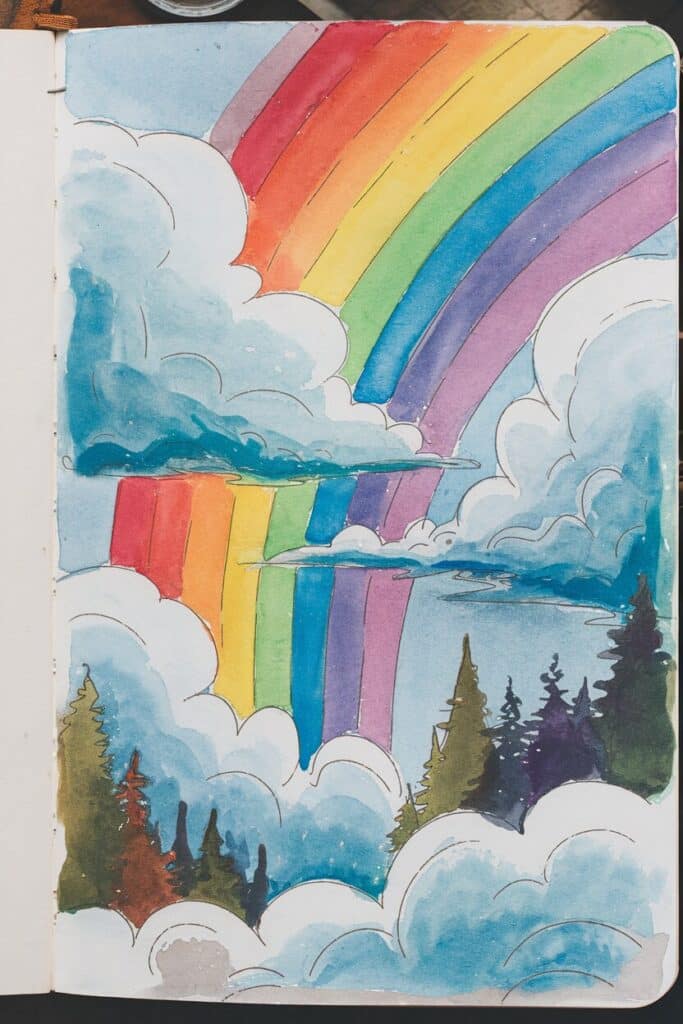
17. Clouds and Rainbows
Create a dreamy sky scene with fluffy clouds and a bright rainbow using the wet-on-dry technique for sharp lines.
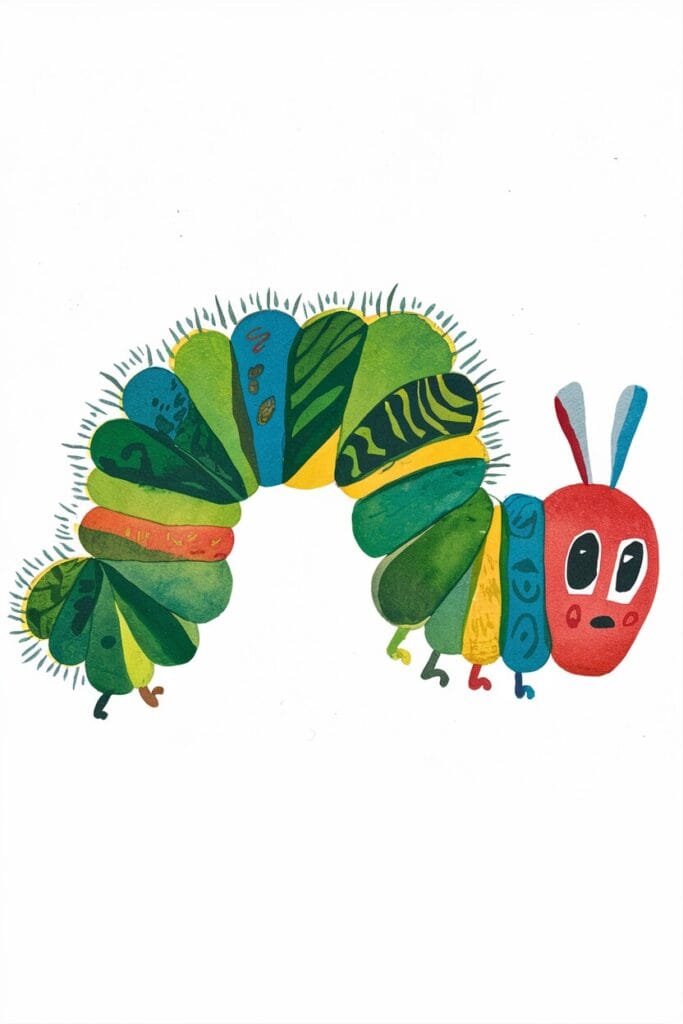
18. Caterpillars
Paint a playful caterpillar with bright green and yellow tones. Add a whimsical touch with fun patterns on its body.
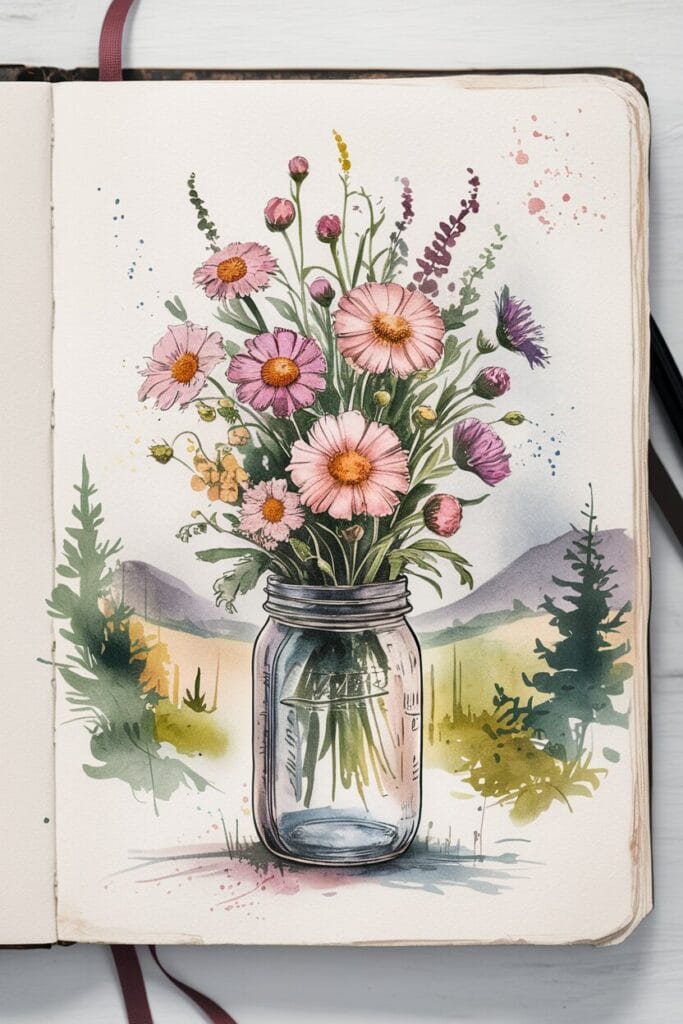
19. Wildflower Bouquets
Experiment with loose watercolor techniques to paint a wildflower bouquet in a mason jar. Focus on blending soft colors.
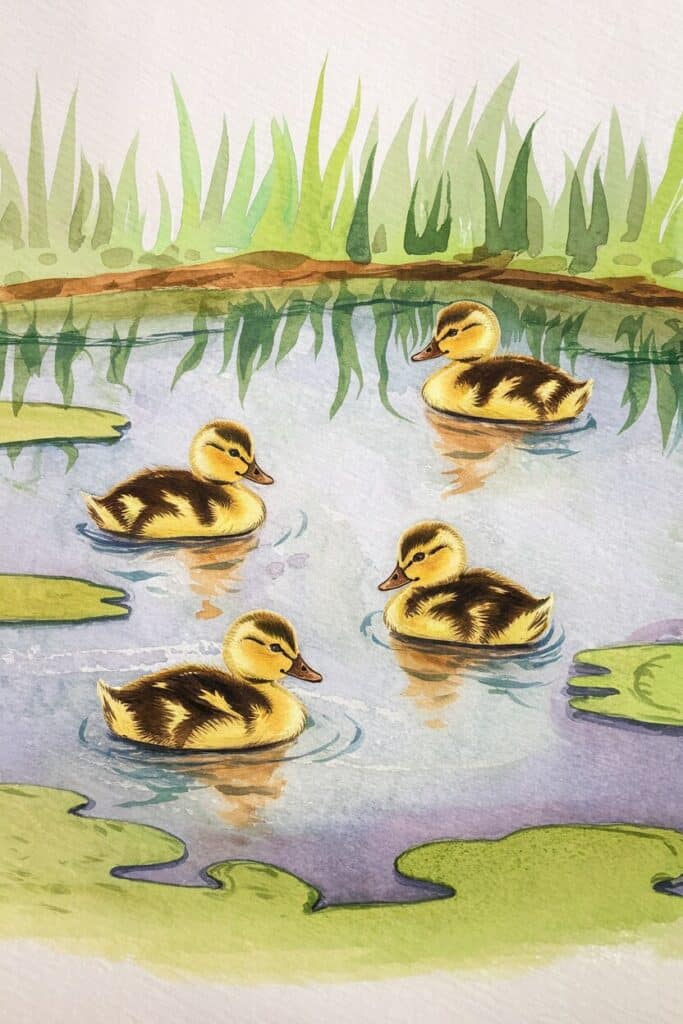
20. Ducklings in a Pond
Create a serene pond scene with ducklings floating on soft blue water. Add ripples for a realistic effect.
21. Bees and Sunflowers
Sunflowers with a buzzing bee make a cheerful spring subject. Use bold yellows and detailed black for the center.

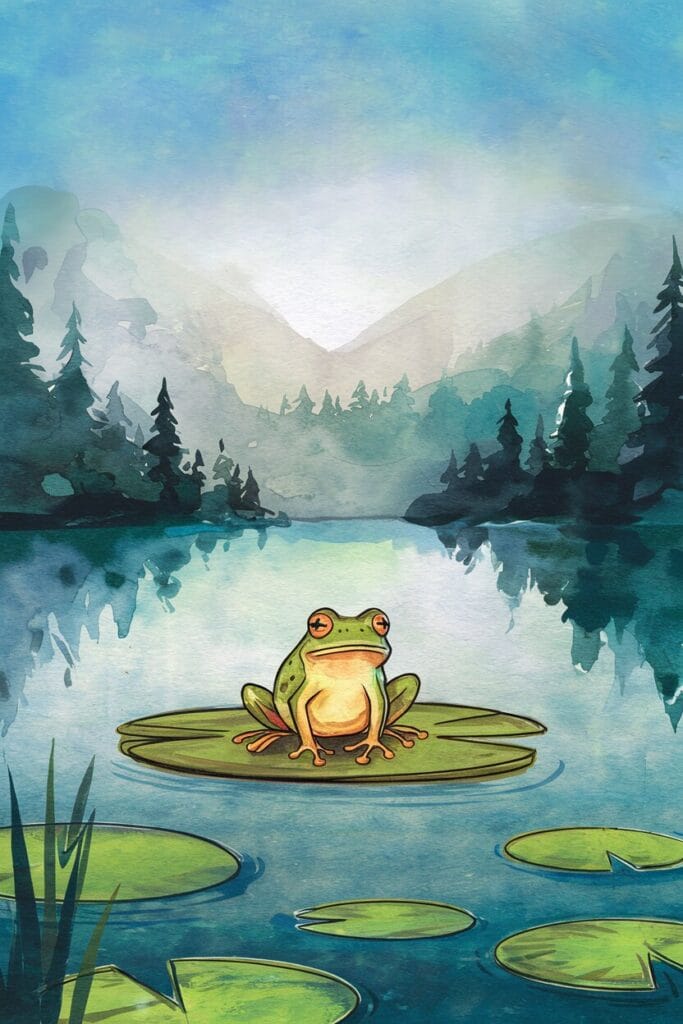
22. Frog on a Lily Pad
A cute frog sitting on a lily pad in a small pond makes a fun spring project. Use soft greens for the frog and bright yellows for the lily.
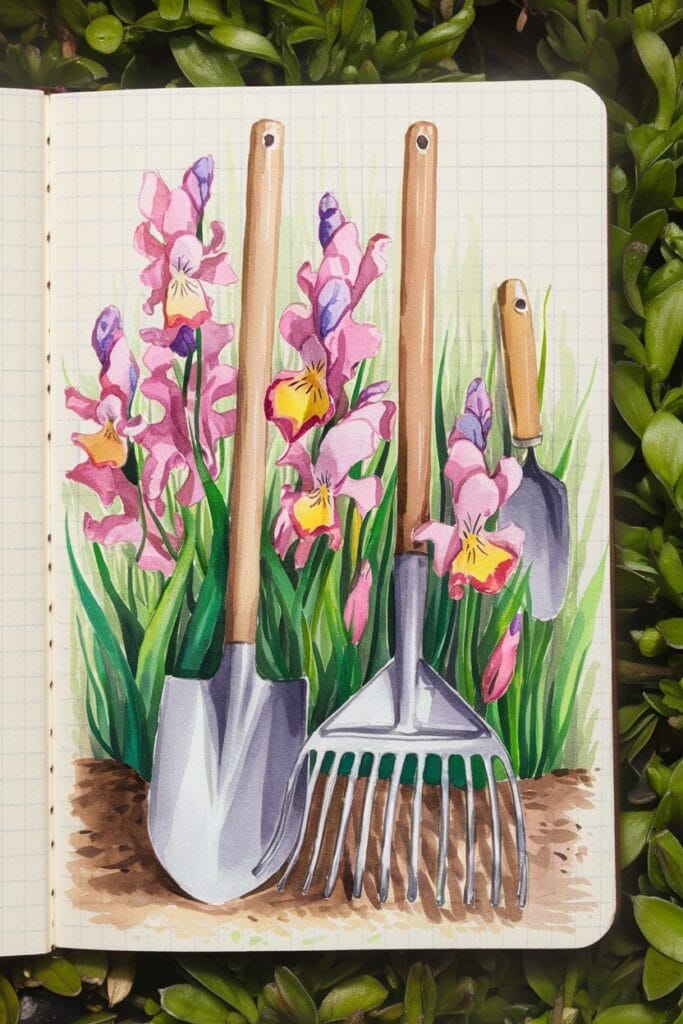
23. Garden Tools and Blooms
Paint gardening tools like trowels and gloves alongside vibrant spring flowers for a rustic vibe.
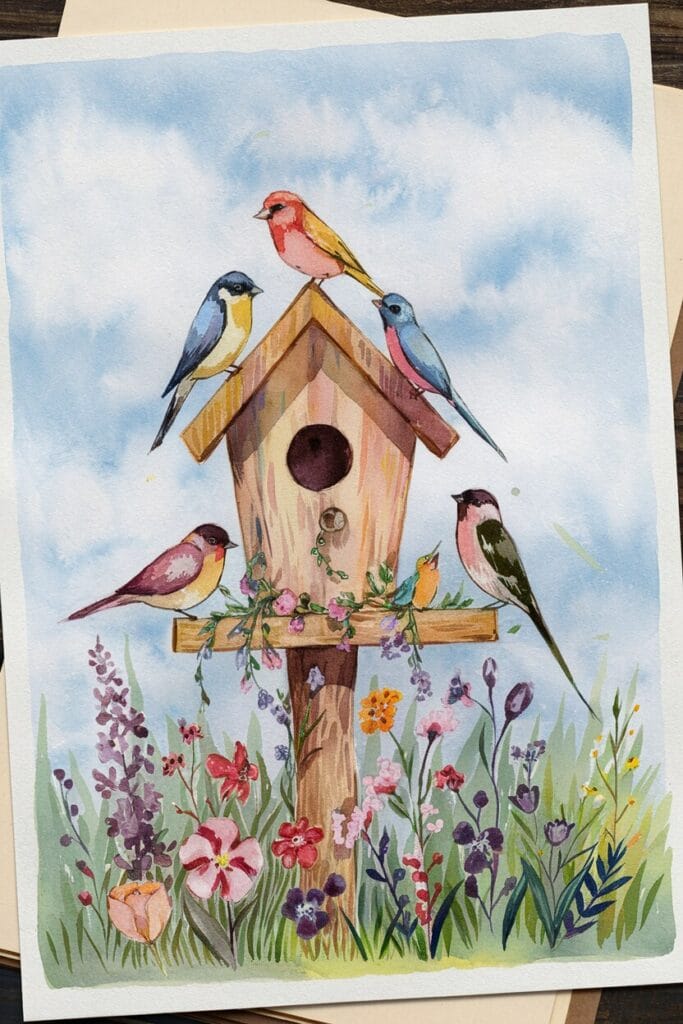
24. Birdhouses
Decorate a whimsical birdhouse surrounded by spring flowers. Use bright colors for a playful touch.
25. Spring Abstracts
Blend pastel colors and use splatter techniques to create abstract spring-inspired art. Experiment with your favorite color combinations.

How to Use the Free Spring Watercolor Templates
These free spring watercolor templates are perfect for beginners who want guidance in creating beautiful spring art. Here’s how to use them:
- Download and Print: Download the templates at the top of this post and print them on standard paper or light watercolor paper if your printer supports it.
- Trace and Transfer: Use a lightbox or place the template against a window to trace the design onto watercolor paper.
- Start Painting: Follow the design lines to guide your brushstrokes. Experiment with different techniques and color palettes to make it your own.
Helpful Tips for Spring Watercolor Painting
- Layer Light to Dark: Start with light washes and gradually layer darker tones for depth.
- Use the Right Brushes: Round brushes are versatile and perfect for creating fine details or larger washes.
- Play with Colors: Spring is all about fresh, vibrant hues. Experiment with mixing pastel tones and bold greens.
- Blend Carefully: Use a clean, damp brush to blend colors for soft transitions.
- Experiment with Effects: Try using salt or spattering paint to add unique textures to your spring paintings.
Spring Watercolor FAQ
What watercolor paper is best for beginners?
Quick Answer: Cold-pressed, 140lb (300gsm) watercolor paper is the best choice for beginners. It’s forgiving, handles water well, and has a lovely texture that makes your paintings look more polished than they would on thinner paper. Brands like Canson XL and Strathmore 400 are solid budget-friendly options. Avoid anything under 200gsm — it’ll buckle and warp the moment you add water.
What are the easiest spring subjects to paint in watercolor?
Quick Answer: Flowers are by far the most beginner-friendly spring subjects. Daffodils, tulips, and cherry blossoms all have simple shapes that are easy to break down. Butterflies and ladybugs are great too because they’re small and forgiving — a little wobble in your brush line just adds character. Start with single subjects before you tackle full scenes like meadows or ponds.
Do I need expensive paints for spring watercolor painting?
Quick Answer: Not at all. Student-grade watercolors like Winsor & Newton Cotman work beautifully for spring subjects. The colours are vibrant enough for all the pinks, greens, and yellows you’ll need. The main difference with professional paints is pigment concentration and lightfastness — which doesn’t matter much when you’re practising and having fun. Spend your budget on good paper instead.
How do I prevent watercolor paper from buckling?
Quick Answer: Tape your paper down to a board on all four sides using painter’s tape or washi tape before you start painting. This keeps it flat as it absorbs water. For really wet techniques, you can also try pre-soaking your paper in water for a minute, then taping it down and letting it dry — this stretches the paper so it stays perfectly flat. Using heavier paper (300gsm or above) also helps a lot.
Can I use the free templates with any watercolor paper?
Quick Answer: Yes! Print the templates on regular printer paper, then transfer the design onto your watercolor paper using a lightbox or a bright window. Place the template behind your watercolor paper, tape them together, and trace the outlines with a light pencil. This way you get the accuracy of the template on whatever watercolor paper you prefer to paint on.
🎨 Want more free printables? Browse my Free Printables Library — over 400 free templates, coloring pages, drawing guides, and creative resources all in one place!
You Might Also Like
- Easy Watercolor Sketchbook Ideas
- Watercolor Painting Ideas for Beginners
- Simple Watercolor Ideas for Beginners
- Loose Watercolor Flowers
- Free Watercolor Sketchbook Templates
Pin It for Later
Save this post to your Pinterest board for future inspiration!
Final Thoughts
Spring is honestly the best season to fall in love with watercolor. The subjects are forgiving (flowers don’t need to be perfect to look beautiful), the colours are joyful, and there’s something about sitting down with your paints on a bright afternoon that just feels right.
Pick one idea from this list and give it a try today. Don’t overthink it. Grab your templates if you want a little guidance, or go freehand if you’re feeling brave. Either way, you’ll end up with something that didn’t exist before you sat down — and that’s always worth celebrating.
Want to see these techniques in action? Head over to my YouTube channel where I share step-by-step watercolor tutorials every week. Hit subscribe so you don’t miss the next one!
And if you found this post helpful, I’d love it if you saved it to Pinterest so other creative beginners can find it too.
Happy painting!
The free Spring Watercolor Templates hand you the outlines. My premium reference sets on Patreon go one further — each comes with a colour-recipe card, so those delicate spring greens come out clean every time. From £14 (~$18).
Browse the reference sets →