
Last Updated on September 26, 2026 by Dee
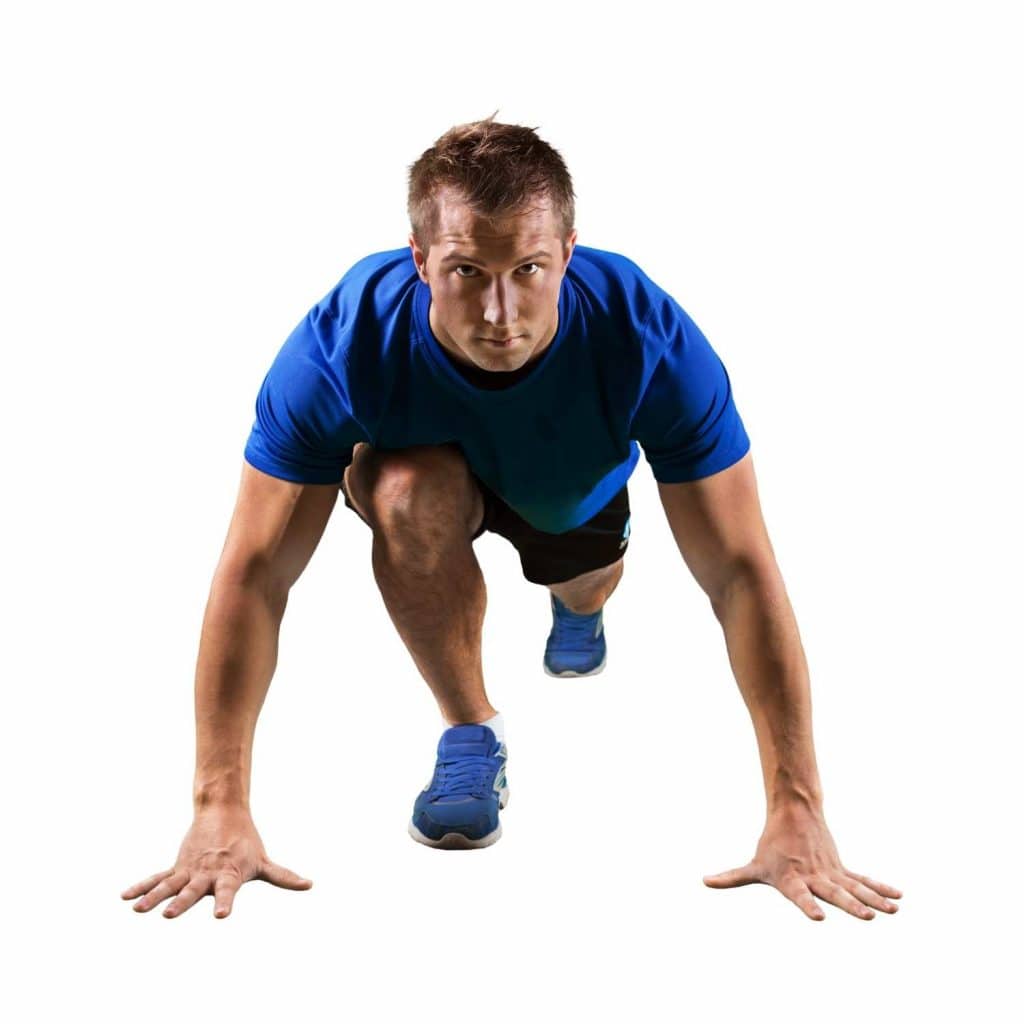
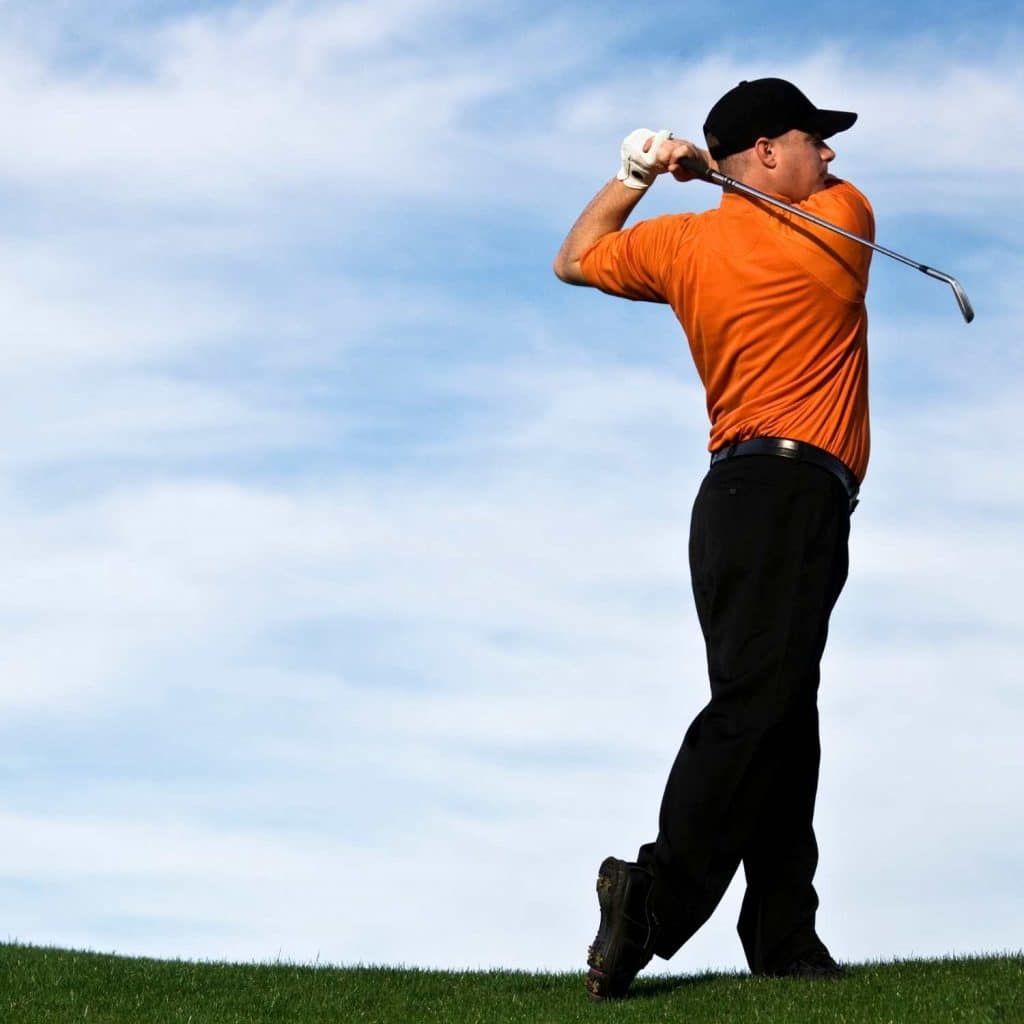
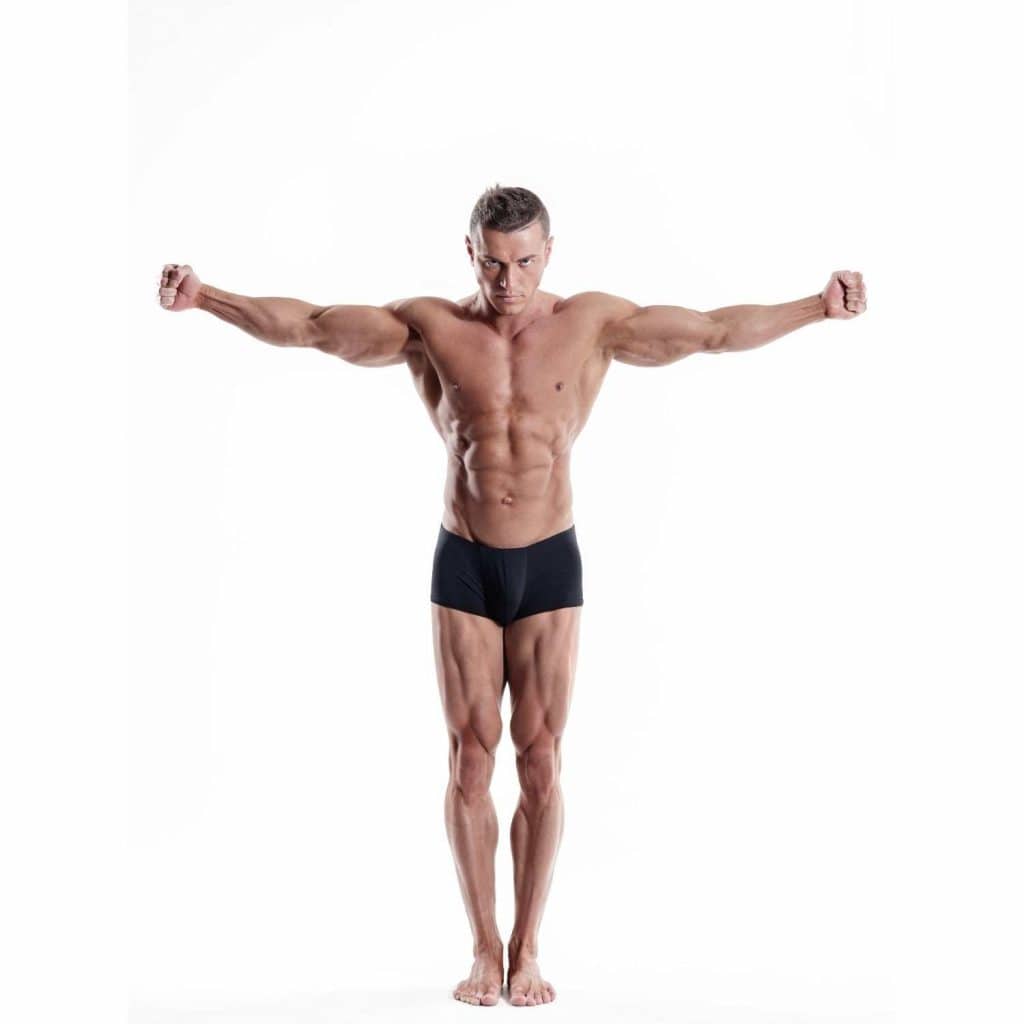
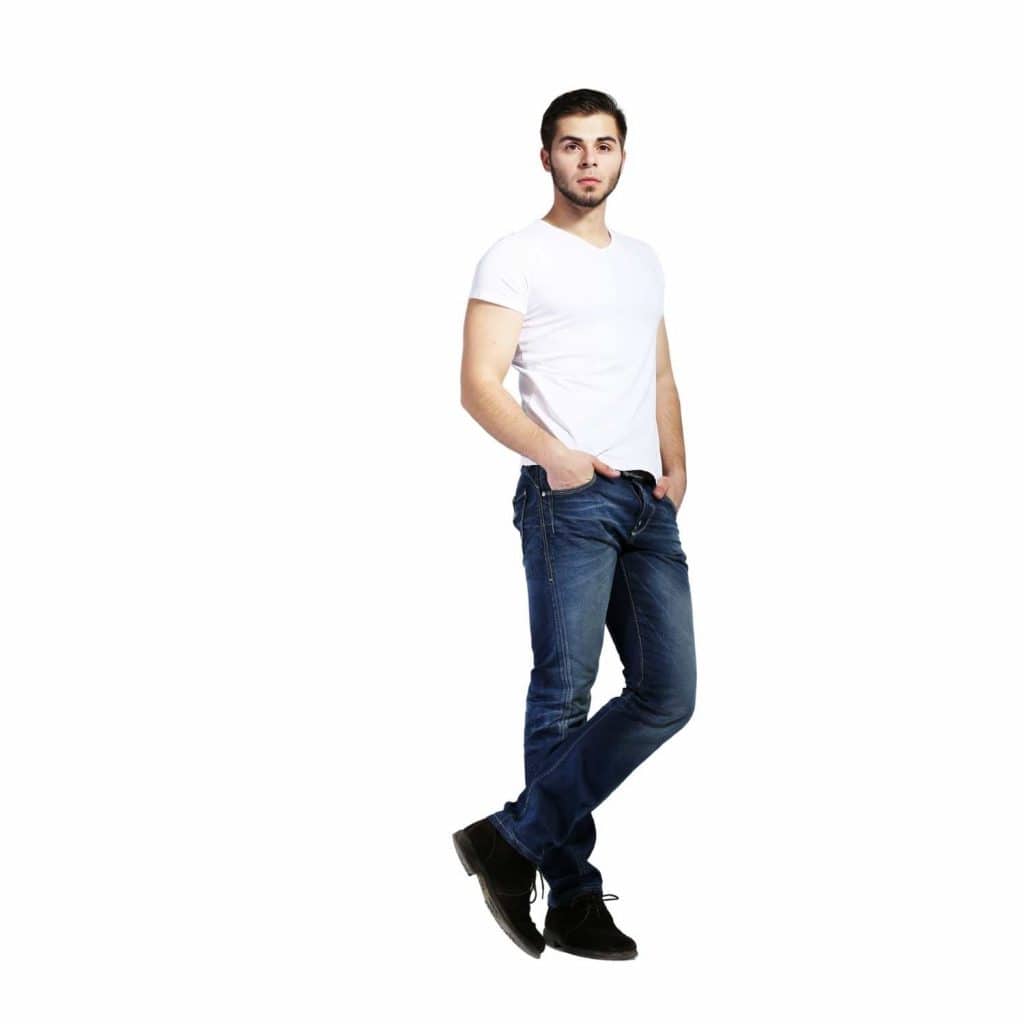
Elevate your figure-drawing skills with our exclusive guide focused on dynamic male poses. This collection is specifically curated to help artists capture the essence of male dynamism and movement in their sketches.
Whether you’re a novice eager to understand the basics or an experienced artist looking to add more life to your drawings, these 15 male poses offer a range of actions and angles.
Accompanied by insightful tips on how to draw dynamic poses, this guide empowers you to portray movement and energy with confidence and skill.
Get ready to bring your figures to life with a new level of realism and vitality!
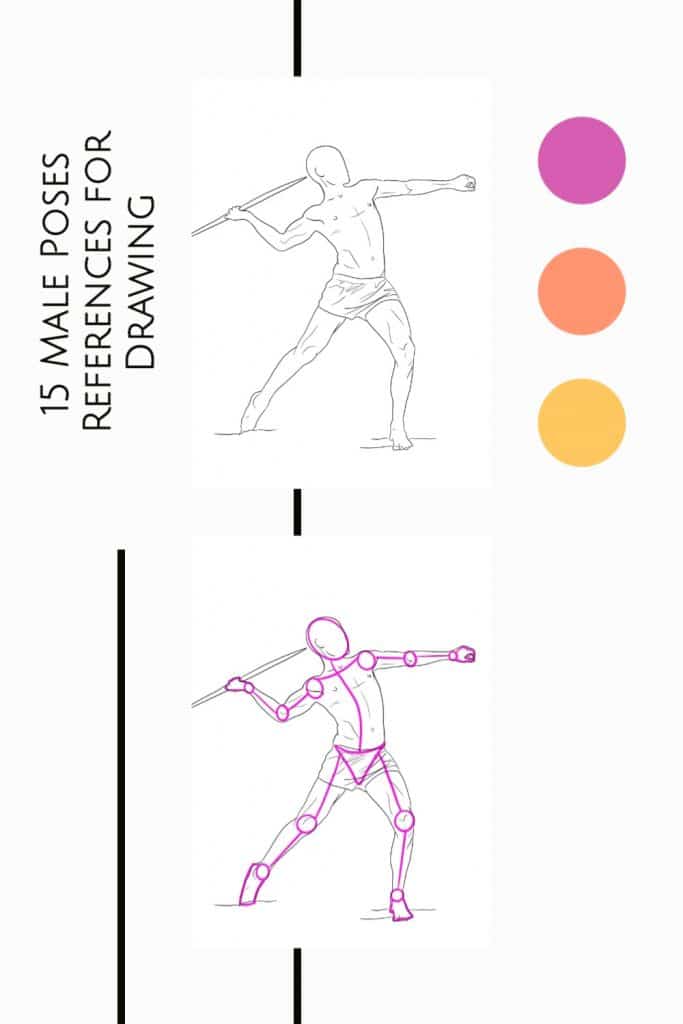
Table of Contents
- 15 x Male Poses Drawing Reference
- Where can I get great drawing poses of males?
- How do you draw the male body?
- Things to keep in mind when drawing a male figure vs a female figure:
- How to improve your ability to draw any pose.
- Other ways to draw from references:
- Conclusion
15 x Male Poses Drawing Reference
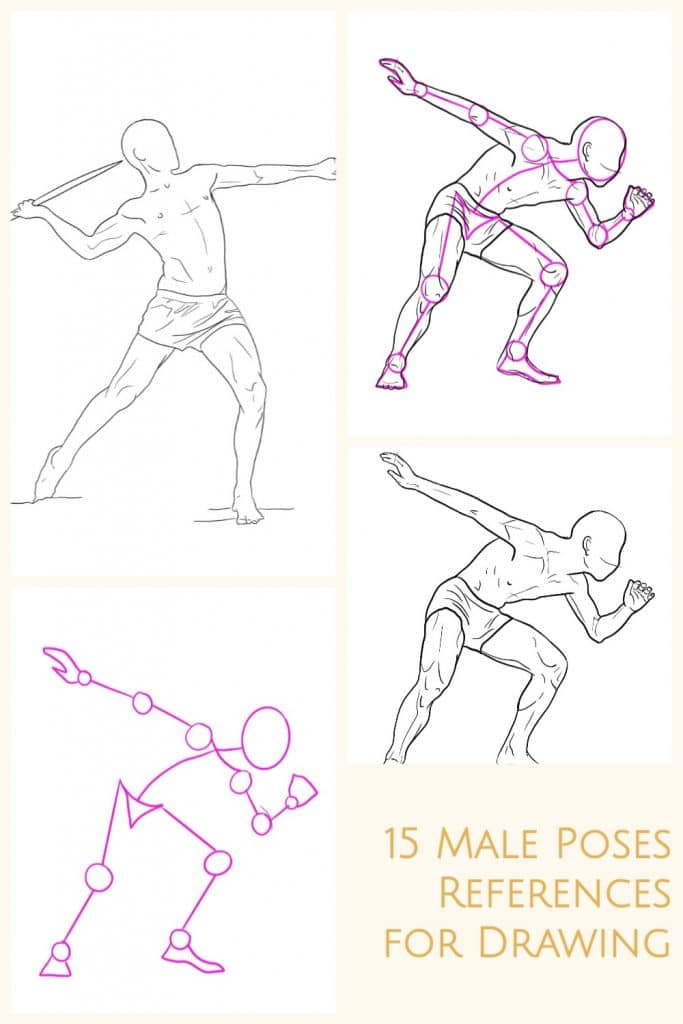
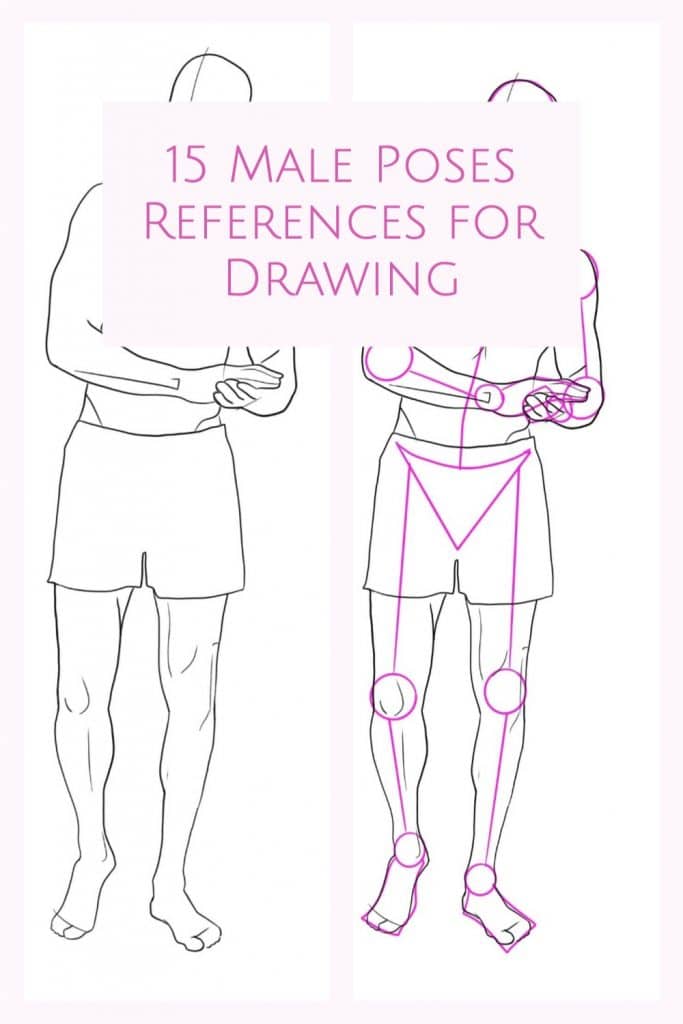
All of these male pose drawing reference photos below I have compiled using my Canva Pro account. You can also explore and find awesome pose references and models from unsplash.com.
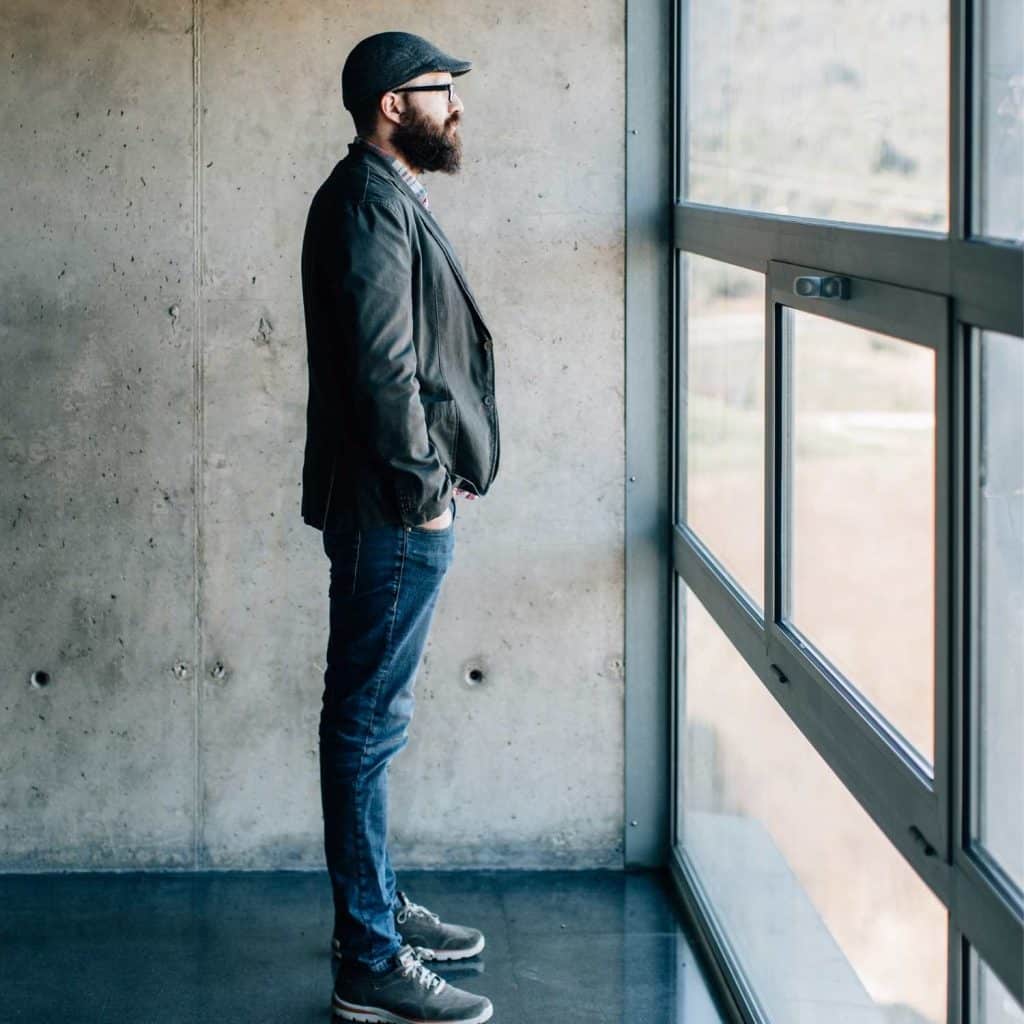
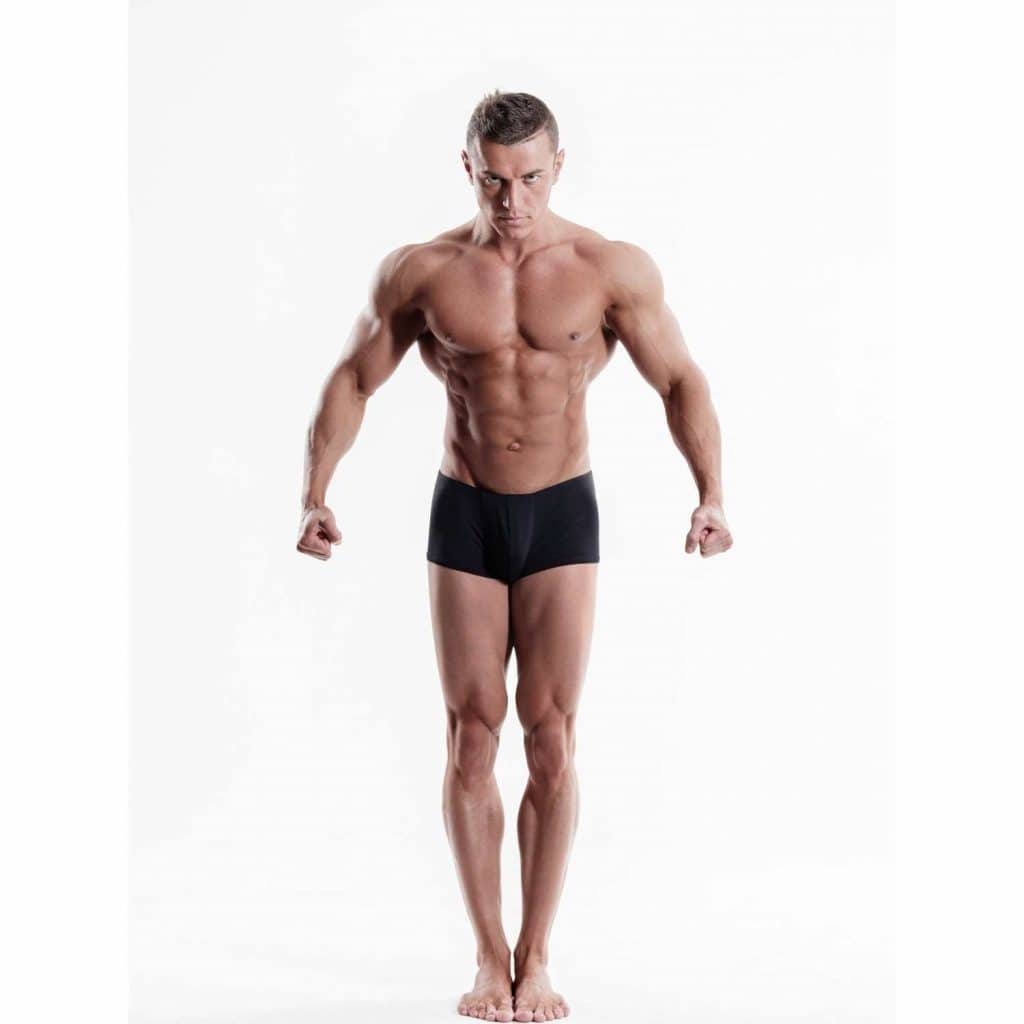
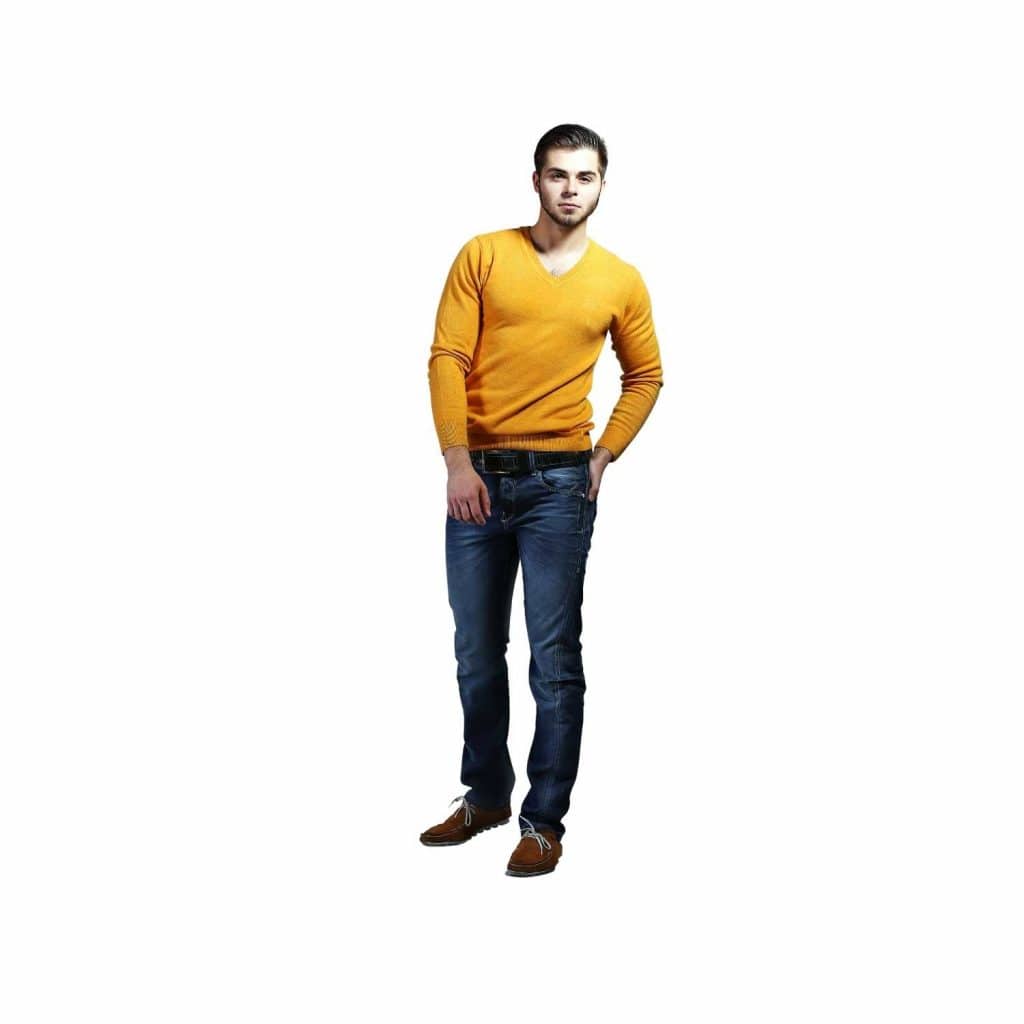
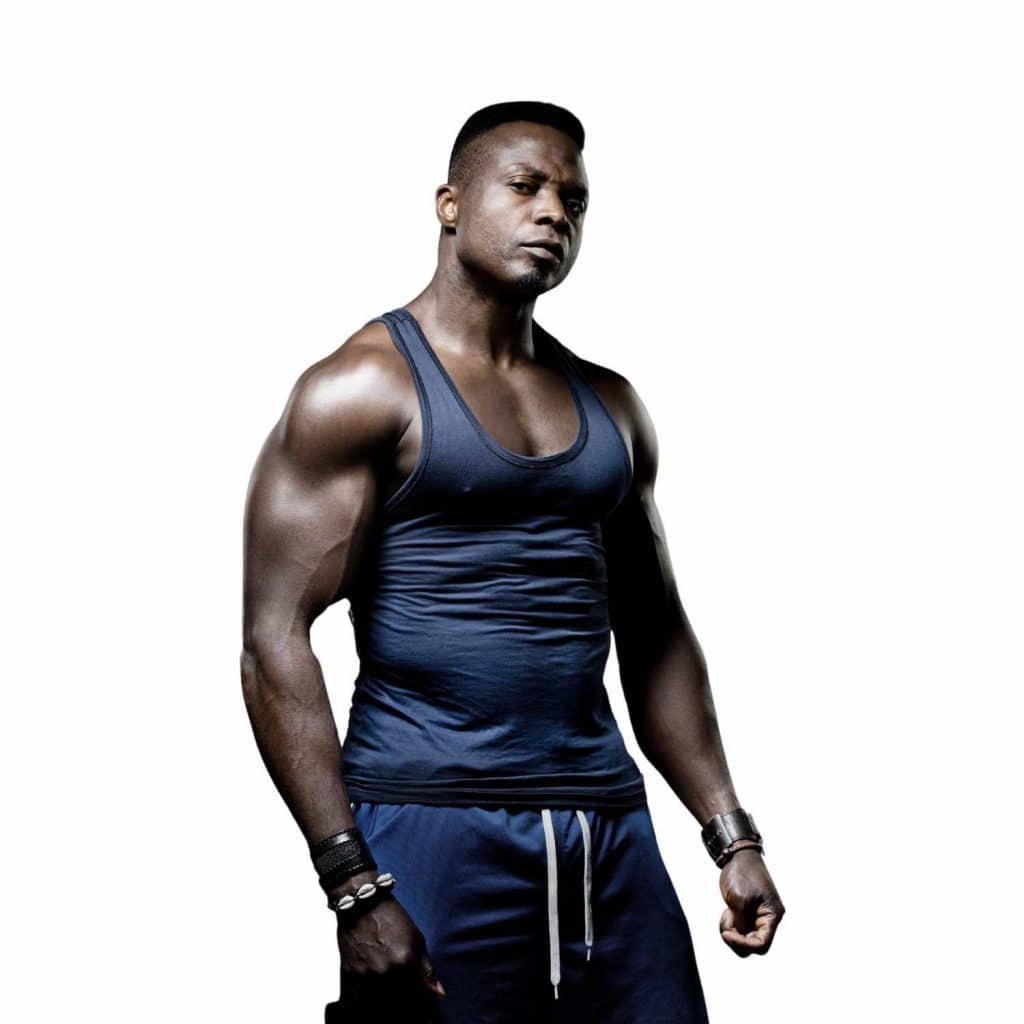
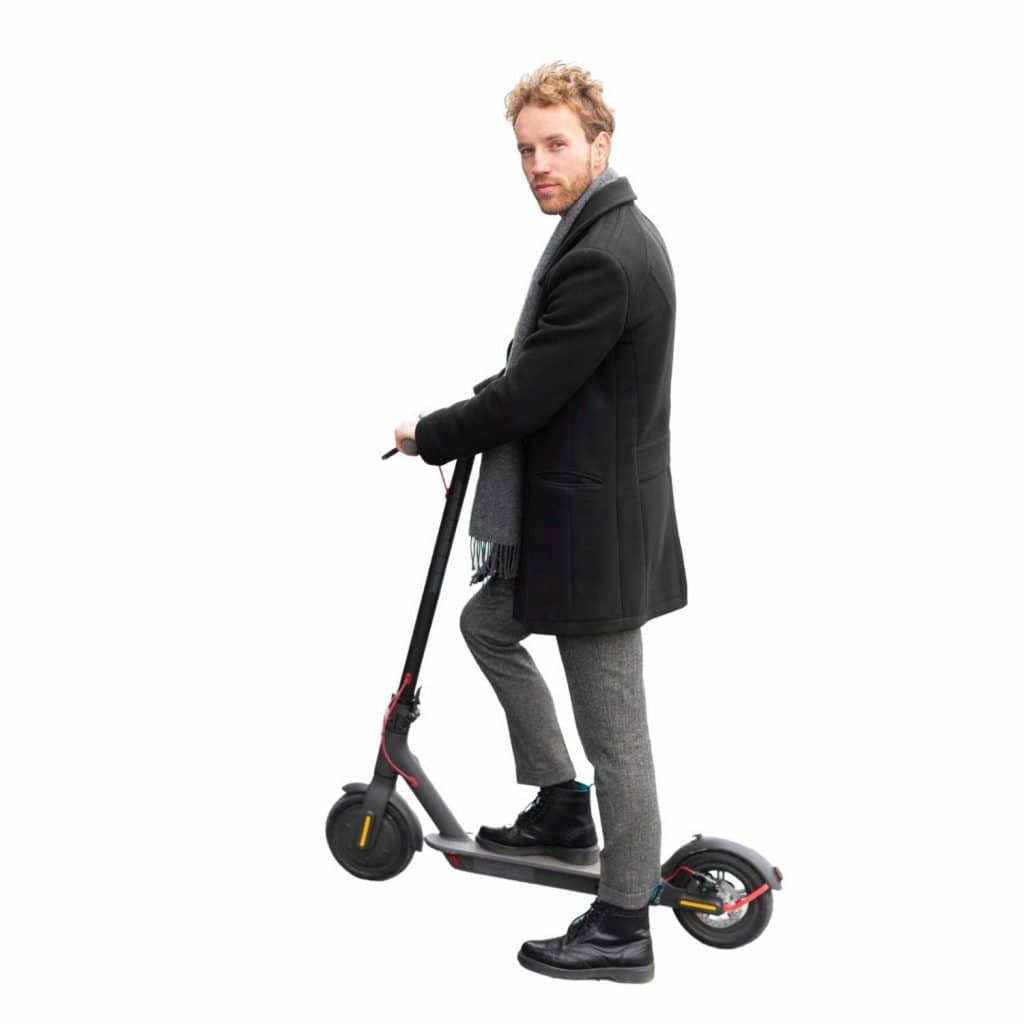


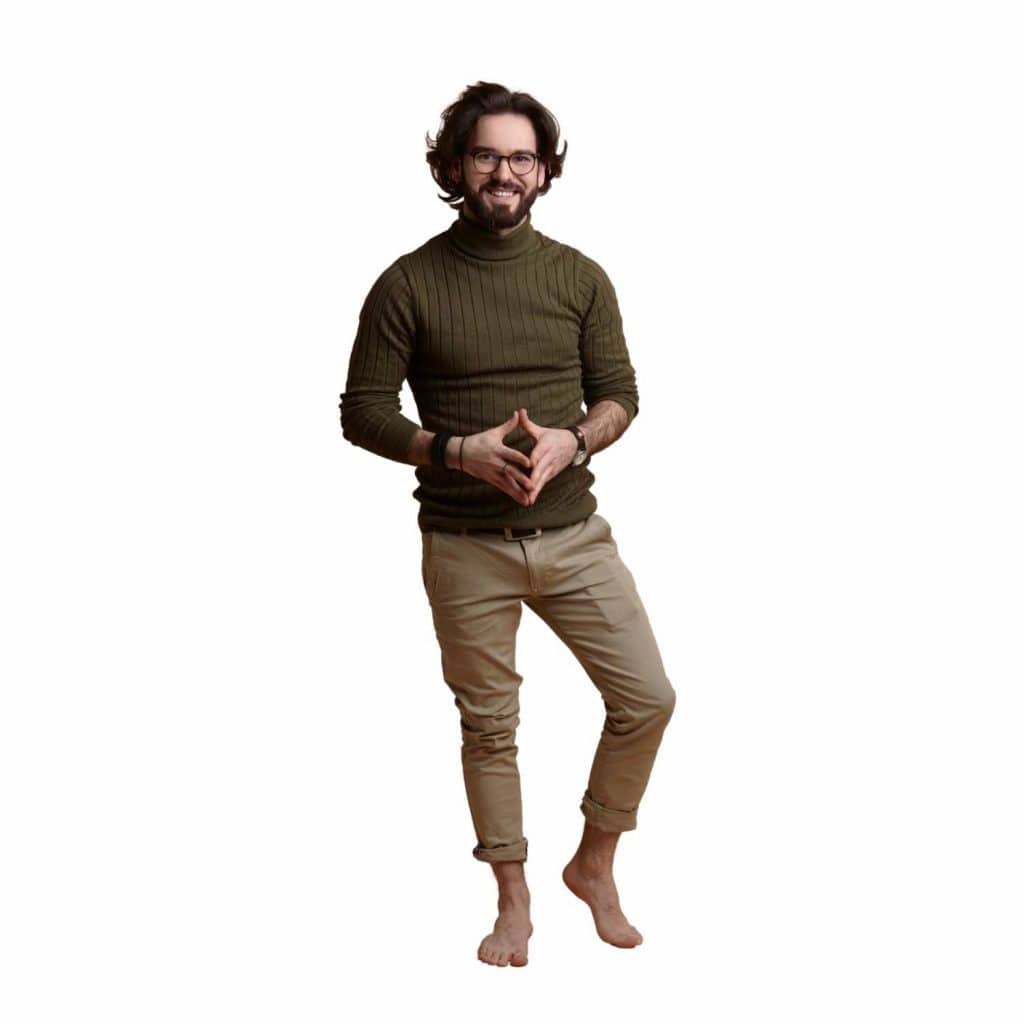
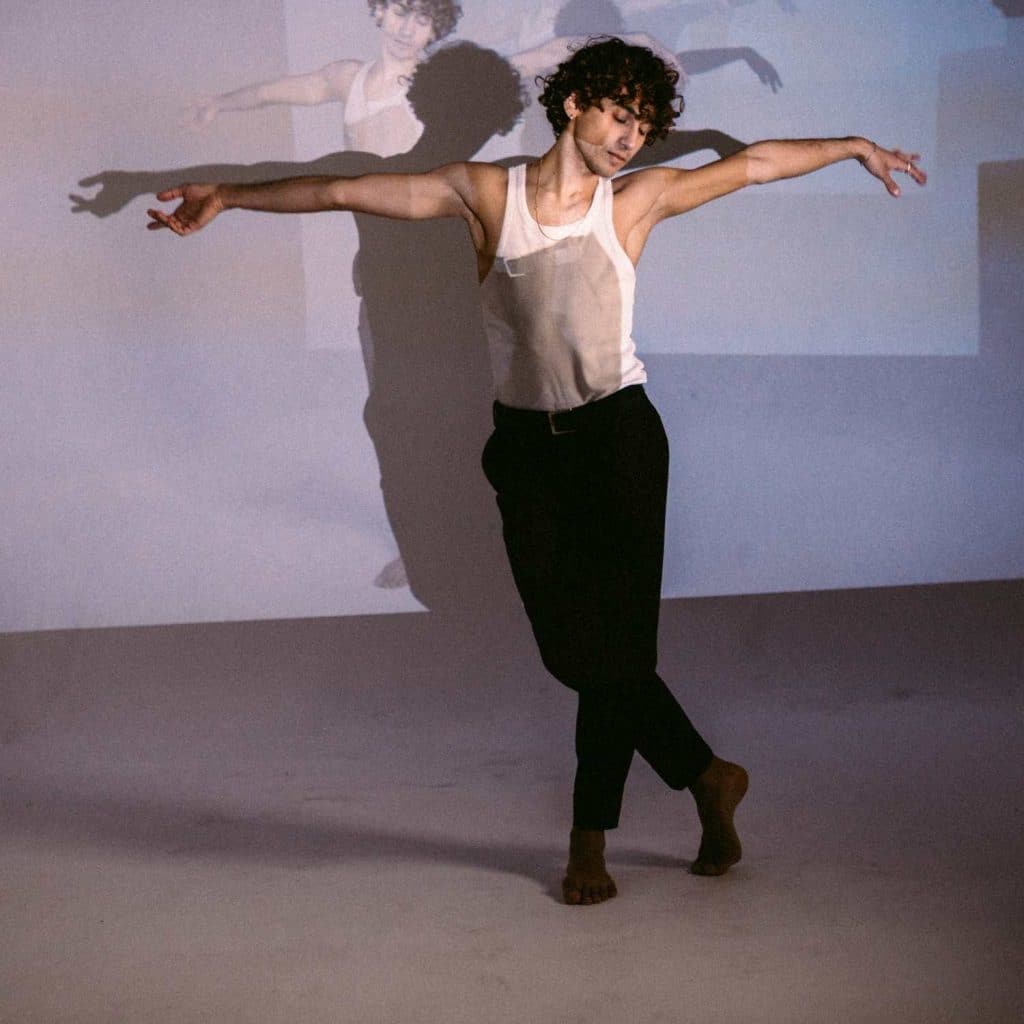

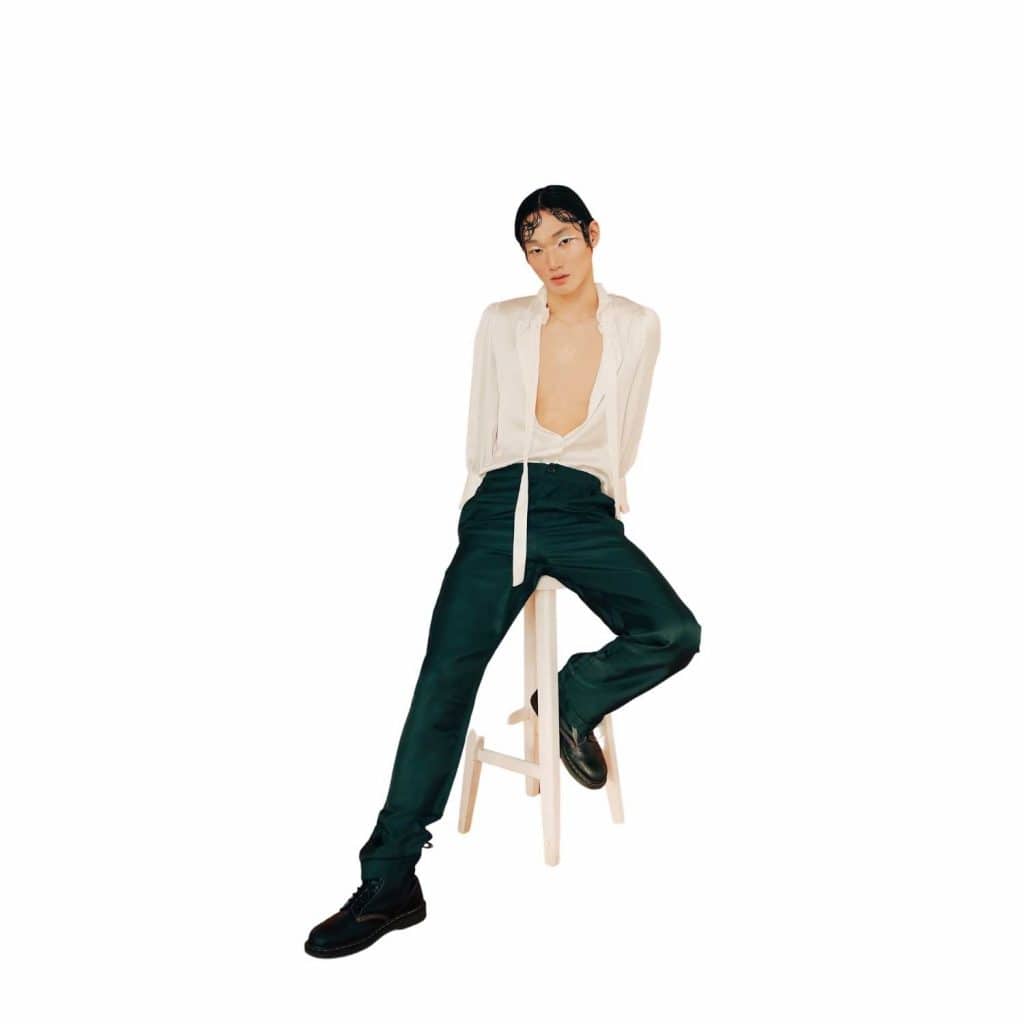
Loving these male pose references? My shop has Procreate brushes, stamps and art resources to help you turn quick studies into finished figures.
Browse the Artsydee shop →Where can I get great drawing poses of males?
To get a great reference image to draw from, you don’t need to go out and find nude models! If you’re looking for great free images for reference, your best bet is to search online. There are a number of websites that offer high-quality stock photos, and many of them have entire sections devoted to figure photography.
If you are looking to improve your own form check out this article on gluteus maximus exercises.
You can also find a number of paid and free photo resources by doing a quick search on Google. Once you’ve found a few good sources, take some time to browse through their collections. My personal favorites are Unsplash.com and Pexels.com. I curated the collection of images above using canva.com.
When you find an image that you like, save it to your computer so that you can use it as reference material later on.
[Related article: 18+ Best Couple Poses Drawing Reference]
How do you draw the male body?
I follow three overarching steps when drawing figures:
- Examine the male figure pose and look at which part of the body is supporting the weight. This will help you to understand the center of gravity and how it affects the rest of the body. In a relaxed pose (or a contrapposto pose), the figure puts most of his weight on one leg.
- Start with a basic skeleton. I use a simple stick figure to break down the proportions of the human form. In my examples, I have used a pink skeleton to give a good sense of the poses.
- Once I have the basic proportions in place, I add muscle groups and other details.
- I then draw the muscles and overall forms of the figure.
- Third, I add the finishing touches, such as hair and clothing.
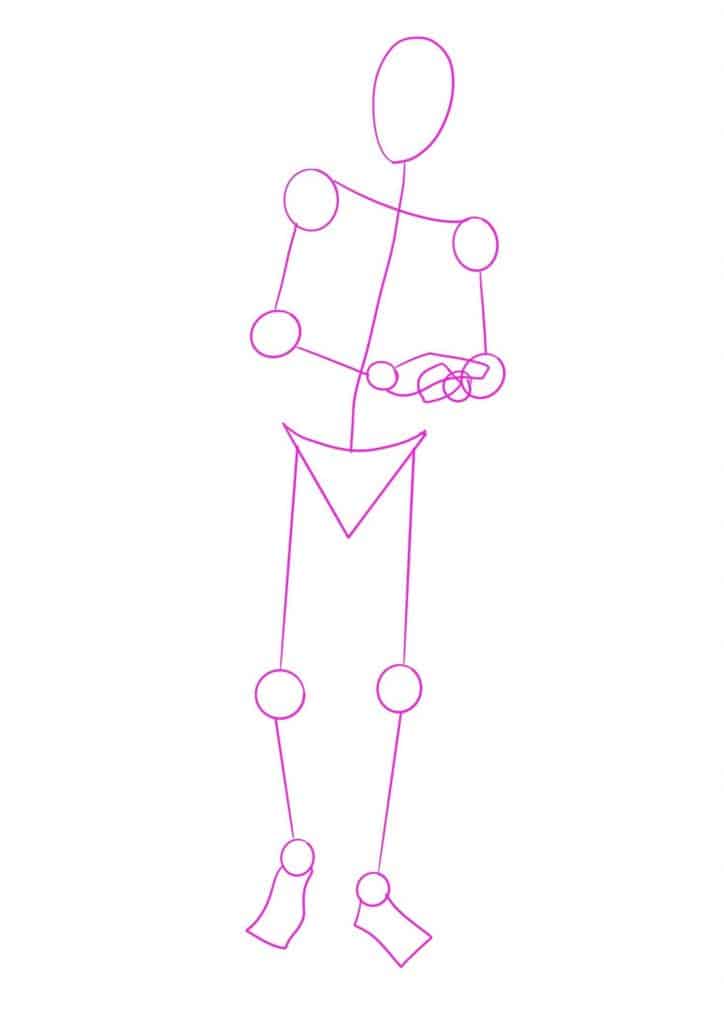
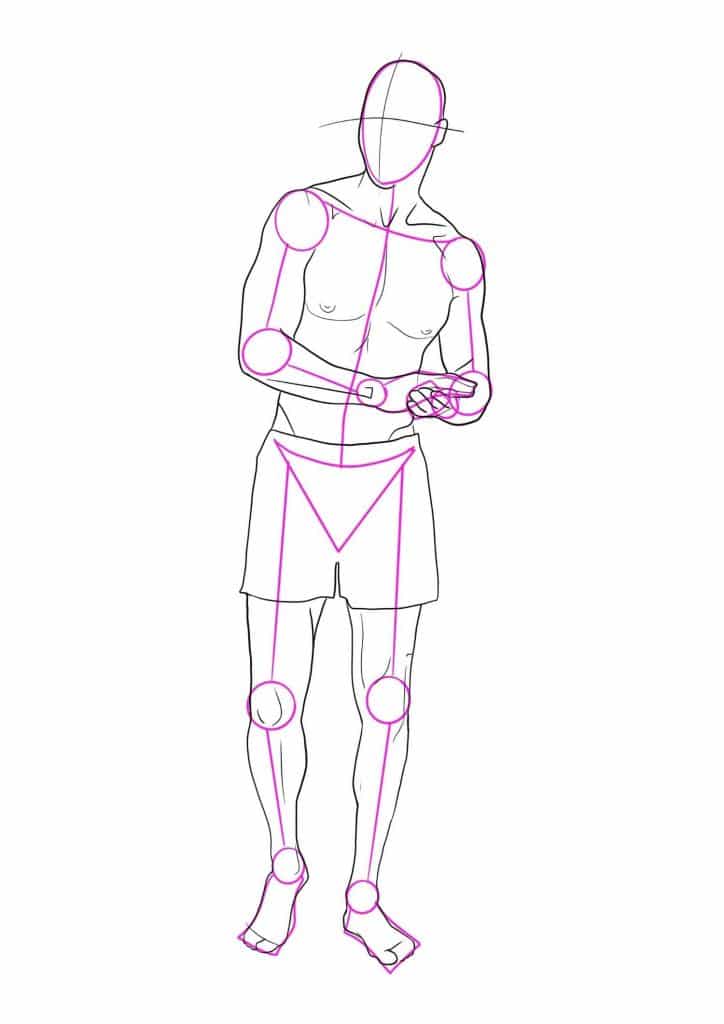
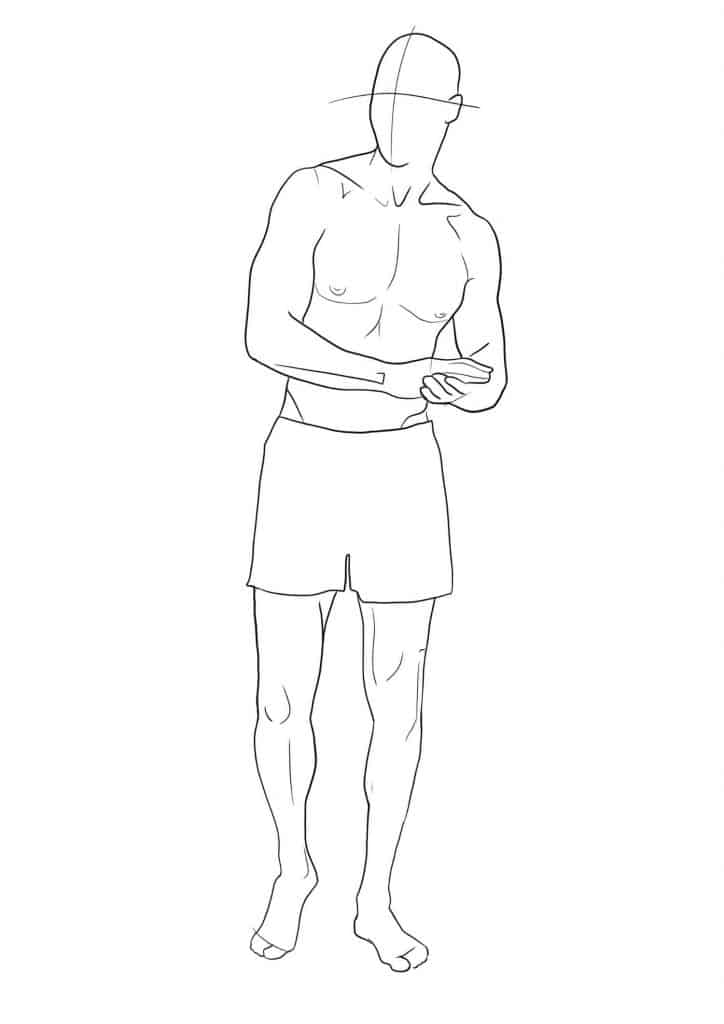
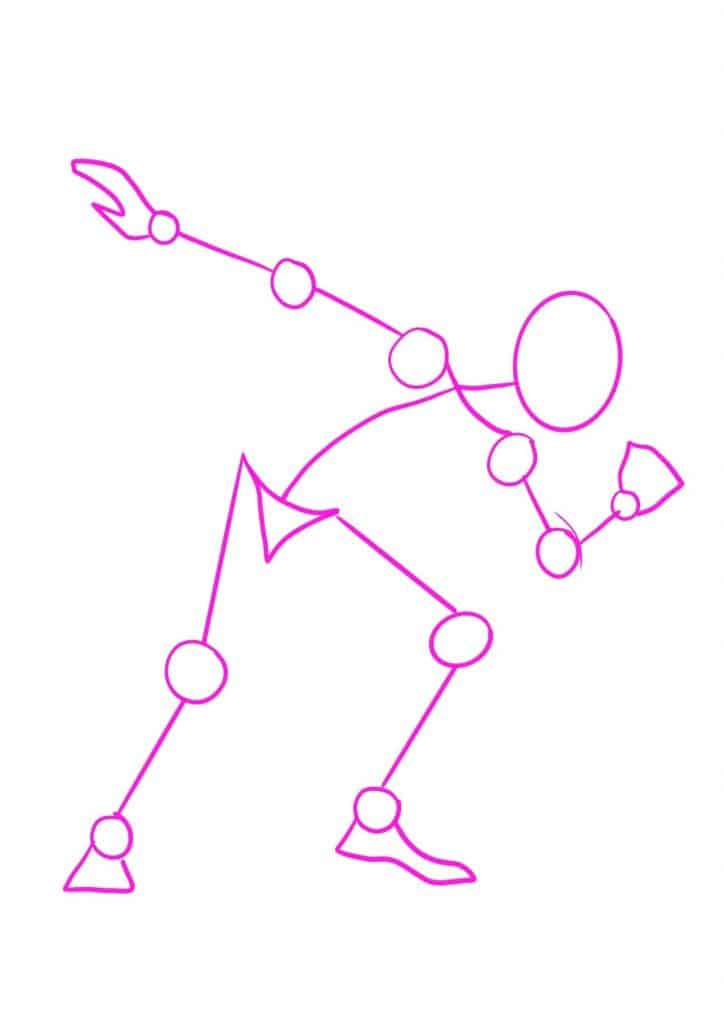
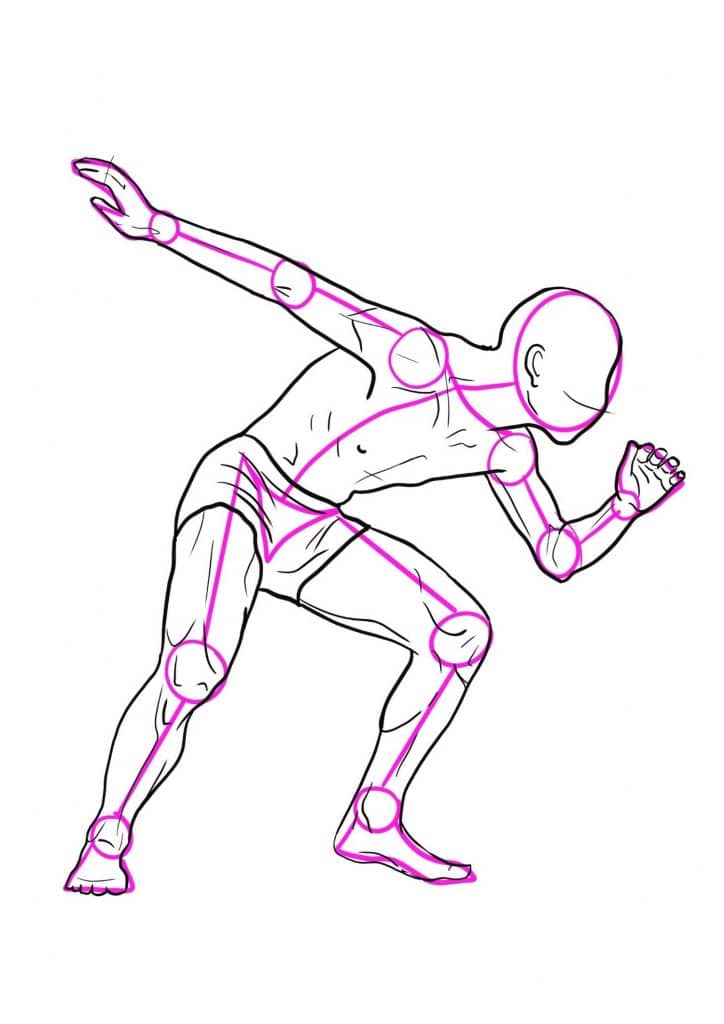
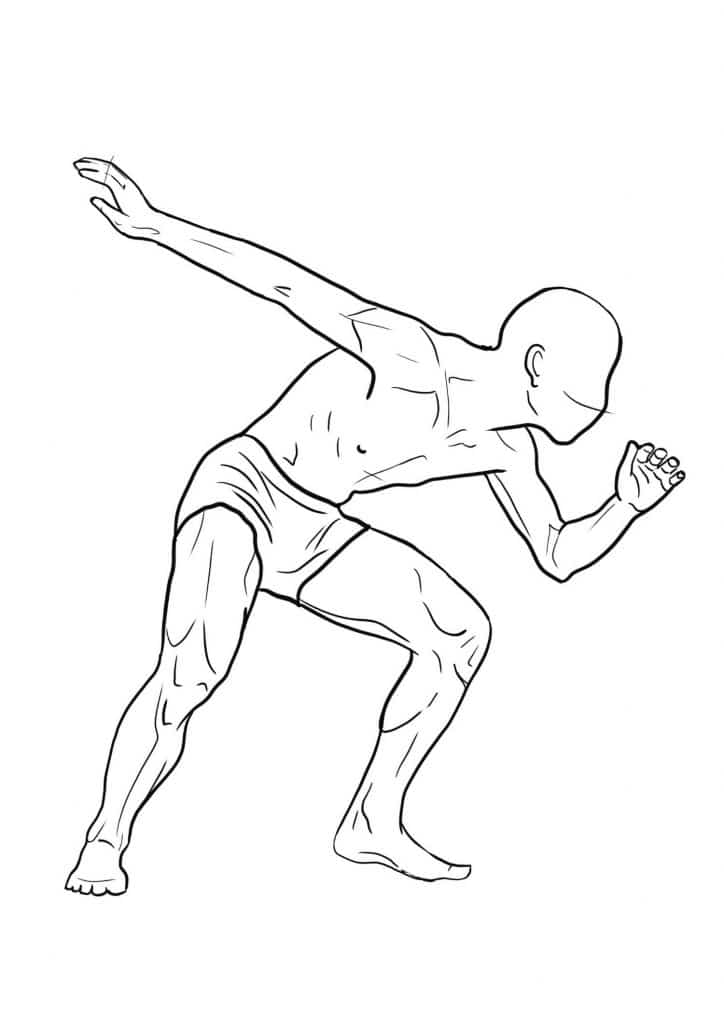
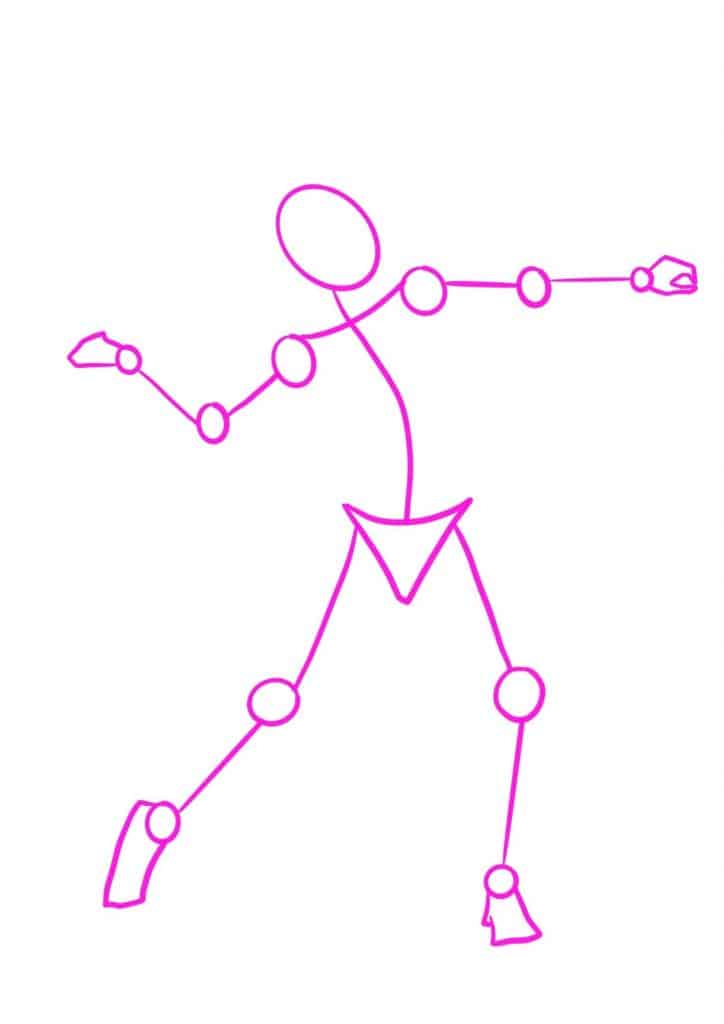
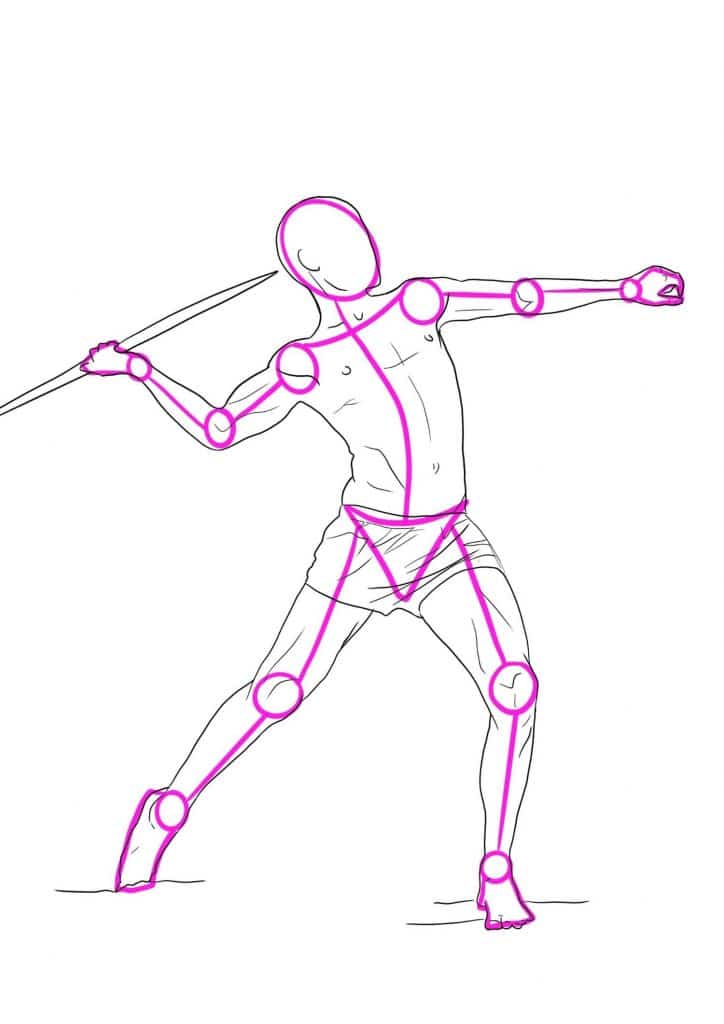
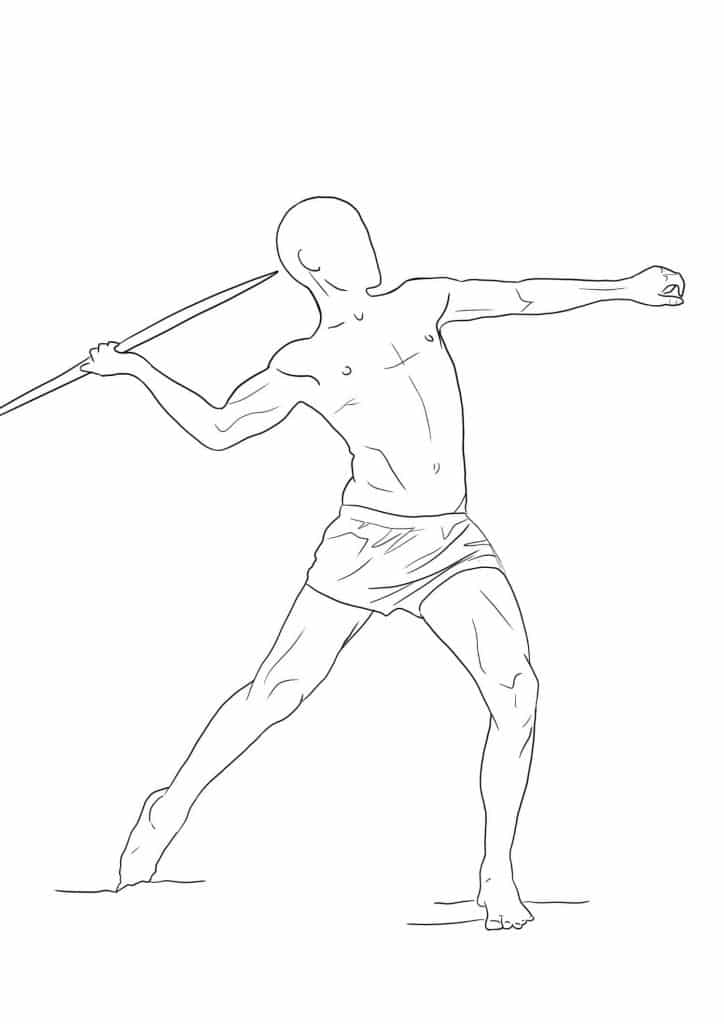
You can use these steps as a guide when realistic male poses or character figures for comic books.
Things to keep in mind when drawing a male figure vs a female figure:
When it comes to drawing figures, one of the most important things to remember is the difference between the male figure and female poses.
Though there are many similarities and often the same shapes are used, some key differences will affect the overall look of your drawing. For instance, when drawing a male figure, you will want to ensure that the shoulders are broader than the hips.
This will give your figure a more masculine look. In contrast, when drawing a female figure, you want to create an hourglass shape by making the hips slightly wider than the shoulders. Remember that there are so many different body types for both male and female figures, so don’t get too caught up in these details. Just use them as a general guide when starting.
Another thing to remember is that the male figure tends to have longer legs and arms in proportion to their bodies, while female figures have shorter limbs. This can again be used to create a more masculine or feminine look in your drawing.
By keeping these basic tips in mind, you can ensure that your gesture drawing accurately reflects the male body.
[Related Article: 21 Action Poses for Dynamic Figure Drawing]
How to improve your ability to draw any pose.
Whether you’re an aspiring artist or just looking to improve your skills, drawing poses can be a great way to practice. And while it may seem daunting at first, with a few simple tips you’ll be surprised at how easy it is to start drawing the male body.
The first thing to remember is that there’s no need to start with a complete figure. Focusing on just the skeleton of the male body can be a great way to simplify the process.
After you’ve mastered the basics, you may personalize it with subtleties like muscles and clothing. Another crucial hint is to utilize reference photos. There’s no need to be embarrassed about taking a few quick self-portraits or looking for images online.
Having a reference will help you better to understand the proportions and perspective of the figure.
[Related Article: How to Trace on Procreate]
Finally, don’t be scared to experiment when you draw. As an artist, experimenting with various media and styles can help you develop your distinct voice. So go ahead and give it a shot; you might be surprised at what you can produce.
Other ways to draw from references:
Use a lightbox to draw
It’s difficult to mimic a reference photograph precisely- it’s easy to get caught up in copying everything instead of utilizing the example as a guide for your design.
One handy tool for drawing from a reference picture is a lightbox. A lightbox is a thin, translucent surface that emits light from below. This makes it much easier to see a reference picture’s lines and details without holding it up to a light source.
A lightbox helps you to devote more time to your drawing and less time to see the reference material. Whether you’re a novice or an experienced artist, utilizing a lightbox to draw may help you produce better representations from photographs.
Use the grid method to draw
The grid method is another way to help you more accurately draw from a reference. The grid method involves drawing a series of small squares over the reference picture and then copying the image by drawing what you see in each square on your own piece of paper.
This can be an effective way to break down a complex image into manageable chunks to draw. It can also help you to achieve greater accuracy in your drawing since you’re less likely to get lost in the details.
If you’re interested in trying the grid method, there are a few things to keep in mind before you draw. First, make sure that the squares are small enough so that you can fit the entire reference inside of them.
Second, don’t draw every single detail that you see- focus on the major shapes and lines. And finally, take your time. The grid method can be a bit tedious, but it’s worth it to get a more accurate drawing.
As an artist, it can be helpful to have a variety of male pose drawing references to draw from, whether you’re looking for male art poses for inspiration or male anatomy drawing references to study.
There are plenty of resources available online, including men pose reference photos and model pose reference male images.
These can be especially helpful for beginner artists looking to learn the basics of figure drawing and get a feel for the different types of poses that are possible.
To get started, you may want to consider checking out a beginner’s guide or instructional videos on figure drawing. You can develop your drawings and become a more confident and proficient artist with practice and patience.
Whether you’re just starting out or you’re an experienced artist looking to improve your skills, male pose drawing references can be an invaluable tool for any artist.
Conclusion
Finding drawing references for the male physique is an important part of getting your sketches looking just right. I hope these 15 male poses drawing reference images guide you in improving your figure drawing!
Other articles you may enjoy…
11 Anime Pose Reference Images to Improve Your Art
12 Easy Steps to an Accurate Side Profile Drawing
The Best Paper for Ink Drawing: 10 Sheets That Work Wonders
18 Texture Drawing Examples to Help You Get Inspired: How to Draw Texture
How To Draw Elf Ears: (+ 13 Easy Elf Ears Drawing Ideas)
Sitting Drawing Reference | 18 Free Poses to Help You with Figure Drawing
18 Standing Poses Reference: How to Draw the Human Figure in a Standing Position
Male Poses Drawing Reference: FAQ
Where can I find good male pose references to draw from?
You don’t need a life model or a paid subscription to get started. Unsplash and Pexels are my two favourites — both have big collections of figure photography and the quality is genuinely high. The 15 poses in this post were pulled together using Canva Pro, which is another good option if you already have an account. When you find something you like, save it straight away so you build up your own reference library.
How do I start drawing a male figure?
Look at the pose first and work out which leg or arm is carrying the weight — that tells you where the centre of gravity sits and how the rest of the body responds. In a relaxed contrapposto pose, most of the weight goes onto one leg and the hips tilt because of it. Then block in a simple stick-figure skeleton to lock down the proportions, add the muscle groups and larger forms over that, and save hair and clothing for last. Detail before structure is the mistake almost everyone makes.
What’s the main difference between drawing a male and a female figure?
The clearest one is the shoulder-to-hip relationship: on a male figure, keep the shoulders broader than the hips, and on a female figure the hips read slightly wider than the shoulders for that hourglass shape. Male figures also tend to have longer legs and arms in proportion to the torso. That said, real bodies vary enormously, so treat these as a starting guide rather than rules — plenty of people don’t fit either template.
Do I need to know anatomy before I try dynamic poses?
No — start with the skeleton and you can draw a convincing dynamic pose long before you know a single muscle name. A simple stick figure captures the movement, the tilt and the balance, which is what makes a pose feel alive. Muscles and clothing are refinements you layer on once the underlying gesture is right. If the stick figure looks stiff, no amount of anatomy will rescue the drawing.
What is the grid method and when should I use it?
You draw a grid of small squares over your reference, draw the same grid on your paper, then copy what you see square by square. It’s brilliant for complex poses where the proportions keep drifting, because it breaks an overwhelming image into manageable chunks. Keep the squares small enough to be useful, focus on the major shapes and lines rather than every detail, and accept that it’s slow. It’s a training tool more than a long-term way of working.
Is a lightbox worth buying for figure drawing?
It can be, especially if you struggle to read the lines in a reference photo. A lightbox is a thin translucent surface lit from underneath, so the details of your reference show clearly without you holding it up to a window. The upside is you spend more time drawing and less time squinting at the photo. The thing to watch is that it makes copying very easy, and copying exactly isn’t the same as learning to see.
Is it cheating to draw from photo references?
Not at all — using reference is how artists have always worked, and there’s nothing embarrassing about taking a few quick photos of yourself in the pose you need. Reference teaches you proportion and perspective far faster than guessing will. The one thing to avoid is copying a photo line for line without thinking; use it as a guide for your own design, then experiment with different media and styles until the work starts sounding like you.
Capturing movement gets easier with every pose you draw. If you’d like a few extra tools for the journey, my shop is stocked with Procreate brushes, stamps and drawing resources.
Visit the shop →